
Introduction
A loud, vibrating noise coming from your LG refrigerator can be annoying and concerning. It often indicates that something is loose, unbalanced, or malfunctioning. While it might seem urgent, most of the time the issue is minor and can be resolved without professional help. Ignoring the noise can sometimes lead to further damage, so its best to investigate it as soon as possible. We’ll guide you through the common causes and how to troubleshoot them.
💡 Technical Key Takeaways:
- Core Focus: Diagnostic schematic and terminal connection layout for Lg Refrigerator Making Loud Vibrating Noise.
- Target Scope: Field technicians, automotive DIYers, and residential/commercial electricians.
- Safety Rule: Always disconnect the primary power source/battery terminal and verify zero voltage with a multimeter before touching wires.
Common Causes of LG Refrigerator Making Loud Vibrating Noise
Here are some of the most frequent culprits:
- Unlevel Refrigerator: An uneven fridge can cause internal components to vibrate against each other.
- Ice Maker: The ice maker can vibrate if it’s producing ice or if ice is stuck.
- Loose Drain Pan: The drain pan, located at the bottom of the fridge, collects condensation and can vibrate if it’s not properly secured.
- Condenser Fan: Located at the back of the refrigerator, a faulty condenser fan or debris caught in the blades can cause a vibrating noise.
- Compressor: The compressor is the heart of the cooling system. If it’s old or failing, it can vibrate excessively.
- Water Line: If your refrigerator has an ice maker or water dispenser, the water line can vibrate against the back of the fridge.
- Items on Top of the Fridge: Items placed on top of the refrigerator can vibrate as the unit operates.
- Loose Internal Components: Shelves, drawers, or other internal parts might be loose and causing the vibration.
Symptoms Checklist
Use this list to pinpoint the source of the vibration:
- Noise is louder at certain times of the day (e.g., when the compressor is running).
- Vibration seems to be coming from the back, bottom, or top of the fridge.
- Noise occurs only when the ice maker is active.
- Noise changes when you touch or move parts of the refrigerator.
- The refrigerator is noticeably uneven on the floor.
- The noise started after moving or cleaning the refrigerator.
How to Fix LG Refrigerator Making Loud Vibrating Noise Step-by-Step Guide
Follow these steps to troubleshoot and fix the issue:
- Check the Level: Use a level to ensure the refrigerator is sitting evenly. Adjust the leveling feet (usually at the bottom corners) until it’s level.
- Examine the Ice Maker: Turn off the ice maker and listen if the noise stops. Remove any ice buildup that might be causing vibrations. Check if the ice maker is securely mounted.
- Inspect the Drain Pan: Locate the drain pan (usually at the bottom, back of the refrigerator). Make sure its correctly positioned and secured. If its loose, tighten any screws or clips holding it in place.
- Clean the Condenser Fan: Unplug the refrigerator. Locate the condenser fan at the back (usually behind a panel). Use a vacuum cleaner or brush to remove any dust or debris from the fan blades and the surrounding area.
- Check the Compressor: Locate the compressor (a black, motor-like component at the back, bottom). While its running (plug the fridge back in briefly), gently touch the compressor (CAUTION: it might be warm). If the vibration is excessive, it might indicate a compressor issue, which may require professional repair.
- Secure the Water Line: If your refrigerator has a water line, make sure its not vibrating against the back of the fridge. Use zip ties or foam to secure it.
- Remove Items from Top: Take everything off the top of the refrigerator and see if the noise stops.
- Inspect Internal Components: Check shelves, drawers, and other internal parts. Make sure they are properly seated and secured.
- Check for Obstructions: Ensure nothing is touching the refrigerator, like cabinets or walls, which could be amplifying vibrations.
- Clean Under the Fridge: A buildup of dust and debris can sometimes cause vibrations. Vacuum underneath the refrigerator.
- Tighten Screws and Bolts: Check for any loose screws or bolts on the back panel or other accessible areas and tighten them.
- Listen Carefully: After each step, listen to the refrigerator to see if the noise has lessened or stopped. This will help you isolate the source of the problem.
- Defrost the Refrigerator: In some cases, ice buildup on the evaporator coils can cause noise. Defrosting the refrigerator can resolve this.
Fix the Issue Without Buying Parts
Before considering replacements, try these free fixes:
- Reset: Unplug the refrigerator for 10 minutes to reset it.
- Cleaning: Clean the condenser coils and fan regularly to prevent buildup.
- Recalibration: Some LG refrigerators have a self-calibration feature in the settings menu. Consult your manual.
- Inspection Tips: Regularly inspect the back of the fridge for loose components.
- Maintenance Basics: Keep the refrigerator clean and level. Avoid overloading it with items.
When Replacement Might Be Necessary
If the noise persists after trying all the troubleshooting steps, especially if it’s related to the compressor, replacement might be necessary. Compressors often cost between $300-$700 for the part alone, and labor can add significantly to the cost. Other parts that might fail and contribute to noise include the condenser fan motor (around $50-$150) and the ice maker assembly (around $100-$300). Before replacing parts, get a professional diagnosis.
Safety Warning
- Always unplug the refrigerator before performing any maintenance or repairs.
- Avoid working on the refrigerator with wet hands or on wet floors.
- Be careful when handling sharp objects or tools.
- If you’re not comfortable performing any of these steps, consult a qualified appliance technician.
Tools You May Need
- Level
- Screwdriver (Phillips and flathead)
- Vacuum cleaner
- Brush
- Zip ties
- Foam padding
FAQ
Here are some common questions:
- Q: Why is my refrigerator vibrating more at night? A: The ambient noise level is lower at night, making the vibration more noticeable.
- Q: Can I ignore the noise if the refrigerator is still cooling? A: It’s best to investigate the noise to prevent further damage.
- Q: How often should I clean the condenser coils? A: At least twice a year.
- Q: Is it normal for the refrigerator to vibrate slightly? A: A slight hum is normal, but loud vibrating is not.
- Q: What if the noise only happens when the door is open? A: This could be related to the door hinges or the door seal.
Conclusion
Troubleshooting a loud, vibrating LG refrigerator might seem daunting, but with a methodical approach, you can often identify and fix the problem yourself. Try these steps, and hopefully, you’ll restore peace and quiet to your kitchen. If you’re still experiencing issues after attempting these solutions, it’s best to contact a qualified appliance technician for professional assistance.
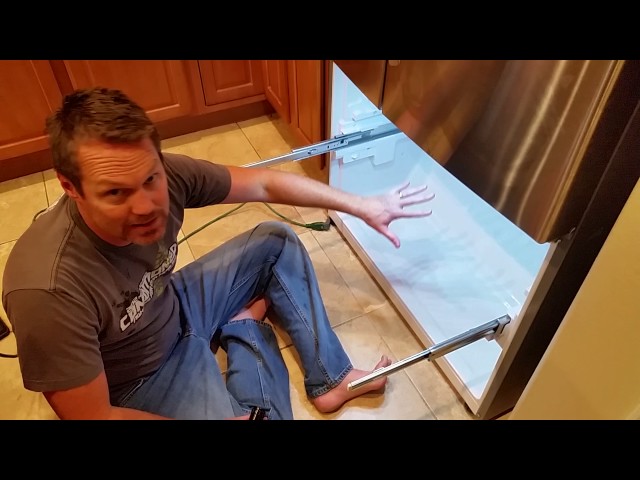
Youtube Video:
Quick Wiring Specifications & Terminal Guide
| Component / Circuit | Standard Wire Gauge | Recommended Protection |
|---|---|---|
| Control & Trigger Signals | 18 – 20 AWG | 5A – 7.5A Inline Fuse |
| Standard Auxiliary Load | 14 – 16 AWG | 15A – 20A Circuit Breaker |
| Main Power Feed / Supply | 10 – 12 AWG | 30A – 40A Heavy-Duty Relay |
Images References
Looking for more diagnostic guides? Explore our complete Refrigerator Problems 4 section for step-by-step troubleshooting solutions.
