
Introduction
Hearing a popping noise coming from your LG refrigerator can be alarming, but it’s often a sign of normal operation or a minor issue that can be easily resolved. These sounds are commonly related to temperature changes, defrost cycles, or even the expansion and contraction of internal components. While occasional popping is usually harmless, persistent or excessively loud noises warrant further investigation. Ignoring these sounds for too long could potentially lead to more significant problems, so let’s explore some common causes and how to address them.
💡 Technical Key Takeaways:
- Core Focus: Diagnostic schematic and terminal connection layout for Lg Refrigerator Makes Popping Noise.
- Target Scope: Field technicians, automotive DIYers, and residential/commercial electricians.
- Safety Rule: Always disconnect the primary power source/battery terminal and verify zero voltage with a multimeter before touching wires.
Common Causes of lg refrigerator makes popping noise
Here are some of the most frequent reasons why your LG refrigerator might be making a popping noise:. For more related activities, check out our Lg Double Door Refrigerator Freezer Not Cooling.
- Defrost Cycle: The refrigerator’s defrost system melts frost buildup on the evaporator coils. This process can cause popping or crackling sounds as the ice melts.
- Temperature Fluctuations: As the refrigerator cools down and warms up during its normal operation, the internal components expand and contract, which can generate popping noises.
- Ice Maker Issues: Problems with the ice maker, such as ice cubes getting stuck or the mechanism malfunctioning, can cause various noises, including popping.
- Compressor Start-Up: The compressor is the heart of your refrigerator, and it starts and stops to maintain the desired temperature. These start-up processes can produce a popping or clicking sound.
- Water Valve: If your refrigerator has a water dispenser or ice maker, the water valve controls the flow of water. Issues with this valve can cause noises as it opens and closes.
- Condenser Fan Motor: The condenser fan helps to cool the compressor. A failing or struggling fan motor can sometimes produce unusual sounds, including popping.
- Stuck or Frozen Fan Blades: Ice buildup or debris can impede the fan blades, making the refrigerator produce various noises.
- New Refrigerator Settling: A newly installed refrigerator can make popping sounds as it settles and adjusts to its environment.
Symptoms Checklist
Use this checklist to help identify the source of the popping sound:
- Does the popping noise occur frequently or only occasionally?
- Does the noise seem to be coming from the back, bottom, or interior of the refrigerator?
- Is the noise louder during or after the defrost cycle?
- Does the noise increase when the refrigerator door is opened or closed?
- Does the ice maker work properly, or is it making unusual noises itself?
- Is the refrigerator cooling correctly?
- Have you recently moved or installed the refrigerator?
- Are there any visible signs of ice buildup inside the refrigerator?
How to Fix lg refrigerator makes popping noise Step-by-Step Guide
Follow these steps to troubleshoot the popping noise:
- Listen Closely: Try to pinpoint the exact location of the popping sound. Is it coming from inside the refrigerator, the back, or the bottom?
- Check the Defrost Cycle: If the popping sound occurs during or after the defrost cycle, it’s likely a normal occurrence. However, if it’s excessively loud or frequent, proceed to the next steps.
- Inspect the Ice Maker: Ensure that the ice maker is functioning correctly. Check for any stuck ice cubes or obstructions that might be causing the noise. Clear any ice jams that you find.
- Clean the Refrigerator: Remove any food debris or spills that might be contributing to the noise. Pay particular attention to the area around the ice maker and water dispenser (if applicable).
- Check the Condenser Fan: Locate the condenser fan at the back of the refrigerator (usually behind a panel at the bottom). Make sure it is free from debris and spinning properly. You may need to unplug the refrigerator and remove the panel to access the fan.
- Inspect the Evaporator Fan: This fan is located inside the freezer compartment. Listen closely to see if the popping is coming from this area. Unplug the refrigerator and remove the panel covering the fan to inspect. Check for ice buildup or obstructions.
- Level the Refrigerator: Ensure that the refrigerator is properly leveled. An unlevel refrigerator can cause stress on the components, leading to popping noises. Use a level and adjust the feet at the bottom of the refrigerator as needed.
- Check for Loose Items: Make sure that no items inside the refrigerator are rattling or touching each other. Even a slightly loose shelf or container can vibrate and cause noise.
- Monitor the Noise: After taking these steps, monitor the frequency and loudness of the popping noise. If it persists or worsens, proceed to the next section.
- Reset the Refrigerator: Unplug the refrigerator from the power outlet for 10 minutes, then plug it back in. This can sometimes reset the control board and resolve minor issues.
Fix the Issue Without Buying Parts
Here are some free methods to potentially resolve the popping noise:
- Refrigerator Reset: As mentioned earlier, unplugging the refrigerator can sometimes resolve the issue.
- Thorough Cleaning: A buildup of dust or debris can cause various problems. Regularly clean the refrigerator, including the condenser coils (if accessible) and the drip pan.
- Door Seal Inspection: A damaged door seal can cause the refrigerator to work harder and run longer, potentially contributing to the noise. Inspect the door seal and replace it if necessary.
- Temperature Recalibration: Ensure that the refrigerator and freezer temperatures are set correctly. Extreme temperature settings can put stress on the components.
When Replacement Might Be Necessary
In some cases, the popping noise might indicate a more serious issue that requires professional repair or even component replacement. For example, a failing compressor or a malfunctioning defrost heater might need to be replaced. The cost of replacing these parts can range from $200 to $600 (USD), depending on the part and the labor involved. Common failing parts include the compressor, defrost heater, evaporator fan motor, and condenser fan motor. If the noise continues even after trying the steps above, consider contacting a qualified appliance technician.
Safety Warning
- Always unplug the refrigerator from the power outlet before performing any maintenance or repairs.
- Avoid working on the refrigerator with wet hands or on a wet floor.
- If you are not comfortable working with electrical components, consult a qualified appliance technician.
- Be careful when handling sharp objects or tools during the repair process.
Tools You May Need
Here are some tools that might be useful for troubleshooting and fixing the popping noise:
- Screwdrivers (Phillips and flathead)
- Adjustable wrench
- Pliers
- Vacuum cleaner or brush
- Level
FAQ
Here are some frequently asked questions about refrigerator noises:
- Q: Is it normal for a refrigerator to make popping noises? A: Occasional popping noises are usually normal due to temperature fluctuations and the defrost cycle.
- Q: How do I know if the popping noise is a serious problem? A: If the noise is excessively loud, frequent, or accompanied by other symptoms like poor cooling, it might indicate a more serious issue.
- Q: Can I fix the popping noise myself? A: Many causes of popping noises can be resolved with simple troubleshooting steps. However, if you are not comfortable working on appliances, it’s best to call a professional.
- Q: How often should I clean my refrigerator? A: You should clean your refrigerator at least once a month to prevent debris buildup and ensure efficient operation.
Conclusion
Hearing a popping noise from your LG refrigerator can be concerning, but with a little investigation and troubleshooting, you can often identify and resolve the issue yourself. Remember to prioritize safety and consult a qualified technician if you are unsure about any of the steps. Don’t give up on your refrigerator just yet! With a bit of effort, you can often restore it to normal operation and avoid costly repairs or replacements.
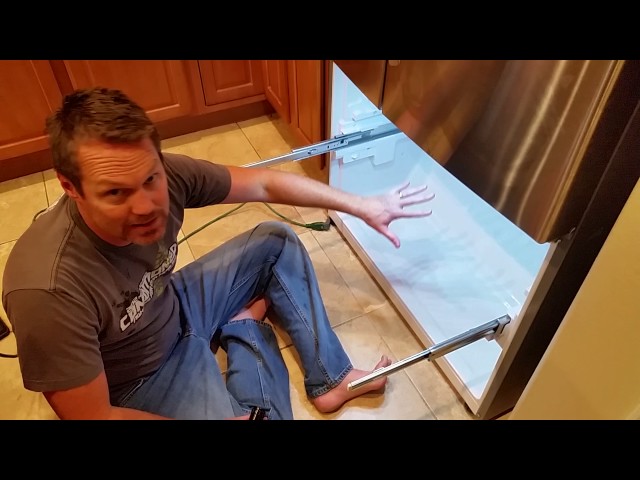
Youtube Video:
Quick Wiring Specifications & Terminal Guide
| Component / Circuit | Standard Wire Gauge | Recommended Protection |
|---|---|---|
| Control & Trigger Signals | 18 – 20 AWG | 5A – 7.5A Inline Fuse |
| Standard Auxiliary Load | 14 – 16 AWG | 15A – 20A Circuit Breaker |
| Main Power Feed / Supply | 10 – 12 AWG | 30A – 40A Heavy-Duty Relay |
Images References
Looking for more diagnostic guides? Explore our complete Refrigerator Problems 4 section for step-by-step troubleshooting solutions.
