
Introduction
A knocking noise coming from your LG refrigerator can be quite unsettling. It often sounds like someone gently rapping on the inside, and it can be intermittent or constant. This noise, while potentially minor, can indicate a problem that, if left unaddressed, could lead to more serious issues with your refrigerator’s performance and lifespan. Identifying the cause early can save you from costly repairs or even the need to replace your refrigerator. The urgency depends on how frequent and loud the noise is; a faint, occasional knock might be less concerning than a loud, constant one. Explore more in our Refrigerator Problems 4 collection.
💡 Technical Key Takeaways:
- Core Focus: Diagnostic schematic and terminal connection layout for Lg Refrigerator Makes Knocking Noise.
- Target Scope: Field technicians, automotive DIYers, and residential/commercial electricians.
- Safety Rule: Always disconnect the primary power source/battery terminal and verify zero voltage with a multimeter before touching wires.
Common Causes of LG Refrigerator Makes Knocking Noise
Here are several common reasons why your LG refrigerator might be making a knocking noise:
- Ice Maker Issues: The ice maker cycling, filling with water, or ejecting ice can cause knocking sounds.
- Water Inlet Valve: This valve controls the flow of water to the ice maker and water dispenser. If it’s malfunctioning, it can create a knocking sound as it opens and closes.
- Defrost System: The defrost system melts frost buildup. A failing defrost component can cause the refrigerator to work harder, leading to knocking sounds.
- Condenser Fan Motor: This fan helps cool the compressor. If the fan blades are obstructed or the motor is failing, it can generate noise.
- Compressor Issues: The compressor is the heart of your refrigerator. A failing compressor can create various noises, including knocking.
- Loose Components: Internal parts like shelves, drawers, or even the refrigerator itself if not level, can vibrate against each other, creating a knocking sound.
- Water Line Vibration: The water line running to your refrigerator can vibrate against the wall or the refrigerator cabinet.
- Start Relay/Overload Protector: These components help start the compressor. Failure can lead to clicking or knocking sounds.
- Expansion/Contraction of Parts: Temperature changes can cause parts inside your fridge to expand and contract. This can cause knocking sounds as components rub against each other.
Symptoms Checklist
Here’s a checklist to help identify the source of the knocking noise:
- Knocking noise occurs regularly.
- Knocking noise occurs when the ice maker is operating.
- Knocking noise occurs when the refrigerator cycles on or off.
- Knocking noise is accompanied by other noises, such as buzzing or rattling.
- Knocking noise gets louder over time.
- Ice maker is producing less ice than usual.
- The refrigerator feels warmer than usual.
- Water dispenser is dripping.
How to Fix LG Refrigerator Makes Knocking Noise Step-by-Step Guide
- Locate the Source: Carefully listen to where the noise is coming from. Is it the back, bottom, or inside the fridge? This is the most important step.
- Check the Ice Maker: If the noise seems to be coming from the ice maker, try turning it off temporarily. Does the knocking stop? If so, the ice maker is likely the issue.
- Inspect the Water Line: Check the water line connection at the back of the refrigerator. Make sure it’s not vibrating against anything. Secure it with some foam or tape if necessary.
- Level the Refrigerator: Use a level to ensure your refrigerator is level. Adjust the feet at the bottom to stabilize it.
- Examine Internal Components: Check shelves, drawers, and bins to ensure they are properly seated and not vibrating against each other.
- Clean the Condenser Coils: Located at the back or bottom of your refrigerator, these coils can accumulate dust. Use a vacuum cleaner with a brush attachment to clean them.
- Inspect the Condenser Fan: Remove the back panel (after unplugging the refrigerator!) and inspect the condenser fan. Make sure it’s clean and spinning freely. Remove any debris obstructing it.
- Check the Water Inlet Valve: Locate the water inlet valve (usually at the back of the refrigerator). Look for any signs of leaks or damage. If you are comfortable, you can test it with a multimeter to check for continuity when activated. (Note: This step requires some electrical knowledge; if unsure, skip it.)
- Listen to the Compressor: The compressor is usually located at the bottom of the refrigerator. Listen carefully for any unusual noises coming from it. If it sounds excessively loud or is making grinding noises, it might be failing.
- Defrost the Refrigerator: Sometimes, excessive frost buildup can cause noises. Try manually defrosting the refrigerator by unplugging it for 24 hours and then plugging it back in.
- Check the Drain Pan: Some models have a drain pan underneath the refrigerator. Ensure it’s properly positioned and not rattling.
- Reset the Refrigerator: Unplug the refrigerator for 5-10 minutes, then plug it back in. This can sometimes reset the control board and resolve minor issues.
Fix the Issue Without Buying Parts
Before considering replacements, try these free methods:
- Reset: As mentioned above, unplugging the refrigerator can often resolve minor issues.
- Cleaning: Regularly cleaning the condenser coils and ensuring the ice maker is free of ice buildup can prevent noise issues.
- Recalibration (If applicable): Some refrigerators have a recalibration setting in the control panel. Consult your owner’s manual.
- Inspection Tips: Frequently inspect the water line and internal components for looseness or vibration.
- Maintenance Basics: Keep the refrigerator clean, level, and well-ventilated to ensure optimal performance.
When Replacement Might Be Necessary
If the knocking noise persists after trying all the troubleshooting steps, the compressor, water inlet valve, or a major component of the defrost system may be failing. Compressor replacement typically costs between $300 and $700 (USD), including labor. A water inlet valve replacement usually ranges from $50 to $150 (USD). These repairs are best left to qualified technicians.
Safety Warning
- Always unplug the refrigerator from the power outlet before performing any maintenance or repairs.
- Avoid working on electrical components if you are not comfortable with electrical repairs. Call a qualified technician.
- Be careful when handling tools and working in tight spaces.
- Avoid working on the refrigerator with wet hands or on a wet floor.
Tools You May Need
- Screwdrivers (Phillips head and flathead)
- Adjustable wrench
- Vacuum cleaner with brush attachment
- Level
- Multimeter (optional, for testing electrical components)
- Gloves
FAQ
Here are some frequently asked questions about refrigerator knocking noises:
- Q: Why does my refrigerator only make a knocking noise at night? A: The noise may be more noticeable at night when your house is quieter. It could be due to temperature fluctuations or the ice maker cycling.
- Q: Is a knocking noise in my refrigerator dangerous? A: Not necessarily, but it indicates a potential problem. Addressing it early can prevent further damage.
- Q: How long can I ignore a knocking noise in my refrigerator? A: It’s best not to ignore it for too long. Investigate the cause and take action as soon as possible.
- Q: Can I fix the knocking noise myself? A: Many simple causes, such as loose components or a vibrating water line, can be easily fixed yourself. More complex issues might require professional help.
Conclusion
A knocking noise from your LG refrigerator can be concerning, but with a systematic approach, you can often identify and resolve the issue yourself. Start with the simple solutions, and if the problem persists, don’t hesitate to call a qualified technician. By taking proactive steps, you can keep your refrigerator running smoothly and avoid costly repairs in the future. Discover more free resources across our collection library.
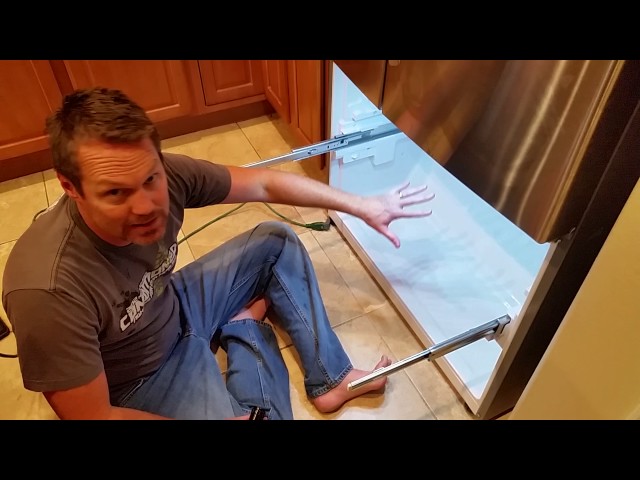
Youtube Video:
Quick Wiring Specifications & Terminal Guide
| Component / Circuit | Standard Wire Gauge | Recommended Protection |
|---|---|---|
| Control & Trigger Signals | 18 – 20 AWG | 5A – 7.5A Inline Fuse |
| Standard Auxiliary Load | 14 – 16 AWG | 15A – 20A Circuit Breaker |
| Main Power Feed / Supply | 10 – 12 AWG | 30A – 40A Heavy-Duty Relay |
