
Introduction
A loud buzzing sound coming from your LG refrigerator can be alarming and is often a sign that something isn’t working correctly. This noise can range from a subtle hum to a disruptive buzz, and ignoring it could lead to more significant problems down the line, potentially shortening the lifespan of your appliance. Addressing the buzzing early on can save you money and prevent food spoilage. This guide helps you diagnose and fix the common causes of buzzing in your LG refrigerator without needing specialized tools or prior experience.
💡 Technical Key Takeaways:
- Core Focus: Diagnostic schematic and terminal connection layout for Lg Refrigerator Loud Buzzing.
- Target Scope: Field technicians, automotive DIYers, and residential/commercial electricians.
- Safety Rule: Always disconnect the primary power source/battery terminal and verify zero voltage with a multimeter before touching wires.
Common Causes of lg refrigerator loud buzzing
There are several reasons why your LG refrigerator might be making a loud buzzing noise:
- Loose Components: Screws or panels may vibrate against each other when the refrigerator’s compressor or fans are running.
- Icemaker Problems: If the icemaker is malfunctioning, its motor might be buzzing as it attempts to cycle.
- Condenser Fan Motor: This fan helps cool the compressor. If it’s failing or has debris obstructing it, it can produce a buzzing sound.
- Evaporator Fan Motor: Located inside the freezer, this fan circulates cold air. A faulty motor or ice buildup can cause buzzing.
- Compressor Issues: The compressor is the heart of the refrigerator. A buzzing sound could indicate the compressor is struggling.
- Relay Switch: The relay switch starts the compressor. If this is failing, it might create a buzzing noise before the compressor turns on, or while it is running.
- Water Inlet Valve: This valve controls the flow of water to the icemaker and water dispenser. A failing valve can sometimes create a buzzing sound.
- Dirty Condenser Coils: Dust and debris on the coils can cause the refrigerator to work harder, potentially leading to a buzzing sound from the compressor or fans.
Symptoms Checklist
Use this checklist to help identify the issue:
- The buzzing noise is constant.
- The buzzing noise is intermittent.
- The buzzing noise increases when the refrigerator is actively cooling.
- The buzzing noise is accompanied by other sounds (e.g., clicking, grinding).
- The refrigerator is not cooling as efficiently as usual.
- The icemaker is not producing ice.
- The buzzing stops when the refrigerator door is opened.
- The back panel of the freezer is iced up.
How to Fix lg refrigerator loud buzzing Step-by-Step Guide
Follow these steps to troubleshoot and fix the buzzing noise:
- Unplug the Refrigerator: Before you start any inspection or repair, always unplug the refrigerator from the power outlet for safety.
- Inspect for Loose Components: Check the back panel, side panels, and top of the refrigerator for any loose screws or panels. Tighten any that you find.
- Clean the Condenser Coils: Locate the condenser coils (usually on the back or bottom of the refrigerator). Use a vacuum cleaner with a brush attachment to remove dust and debris.
- Check the Condenser Fan: Locate the condenser fan near the compressor. Make sure nothing is blocking it. Spin the fan blade by hand to see if it turns freely. If it’s stiff, it may need cleaning or lubrication.
- Examine the Evaporator Fan: Open the freezer and remove any shelves or drawers to access the back panel. Check for ice buildup. If there is excessive ice, defrost the refrigerator completely (unplug it and leave the door open for 24 hours).
- Listen to the Icemaker: If the buzzing seems to be coming from the icemaker, turn it off and see if the noise stops. If it does, the icemaker may need further inspection.
- Check the Water Inlet Valve: Locate the water inlet valve (usually on the back of the refrigerator). Listen closely to it when the icemaker is filling. If it’s buzzing loudly, it could be the source of the noise.
- Listen to the Compressor: The compressor is usually located at the bottom rear of the refrigerator. If the buzzing is coming from the compressor area, it could indicate an issue with the compressor itself.
- Check the Relay Switch: If you can identify the start relay switch (usually attached to the compressor), you can gently tap it with the handle of a screwdriver while the refrigerator is running to see if the sound changes. Proceed with caution and DO NOT touch any wires.
- Ensure Proper Leveling: An unlevel refrigerator can cause vibrations. Use a level to check if the refrigerator is level. Adjust the leveling feet as needed.
- Check for Obstructions: Make sure that nothing is touching the refrigerator that could be causing it to vibrate (e.g., cabinets, walls).
- Defrost the Refrigerator: Manually defrosting your refrigerator can eliminate ice buildup around the evaporator fan. Unplug the refrigerator and leave the door open for 24 hours, or until all the ice has melted.
- Plug the Refrigerator Back In: After completing the checks and cleaning, plug the refrigerator back into the power outlet.
- Monitor the Noise: Observe the refrigerator for the next few hours to see if the buzzing noise has subsided.
Fix the Issue Without Buying Parts
Many buzzing issues can be resolved without purchasing new parts:
- Reset the Refrigerator: Unplug the refrigerator for 5-10 minutes and then plug it back in. This can sometimes reset the system and resolve minor issues.
- Cleaning: Regularly cleaning the condenser coils and interior of the refrigerator helps maintain optimal performance.
- Recalibration: Some LG refrigerators have a recalibration feature in the settings menu. Refer to your user manual for instructions on how to perform this.
- Inspection Tips: Periodically inspect the refrigerator for any signs of wear and tear or potential problems.
- Maintenance Basics: Keep the refrigerator clean, level, and properly ventilated to prevent future issues.
When Replacement Might Be Necessary
If the buzzing persists after trying the above steps, the following parts might be failing and require replacement:. For more related activities, check out our My Lg Refrigerator Is Not Making Enough Ice.
- Compressor: Replacing a compressor can cost between $200-$500, including labor.
- Condenser Fan Motor: Replacement costs range from $50-$150, including labor.
- Evaporator Fan Motor: Replacement costs range from $50-$150, including labor.
- Water Inlet Valve: Replacement costs range from $30-$100, including labor.
If the buzzing is caused by the compressor itself or if multiple components are failing, it might be more cost-effective to replace the entire refrigerator, depending on its age and condition.
Safety Warning
- Always unplug the refrigerator from the power outlet before performing any inspection or repair.
- Avoid working on the refrigerator if the floor is wet to prevent electric shock.
- Be careful when handling sharp objects or tools.
- If you are not comfortable performing any of the above steps, consult a qualified appliance repair technician.
Tools You May Need
- Screwdriver (Phillips and flathead)
- Vacuum cleaner with brush attachment
- Level
- Wrench or pliers
- Multimeter (optional, for testing electrical components)
FAQ
-
Q: Why is my LG refrigerator buzzing even after I cleaned the coils?
A: The buzzing may be caused by a failing fan motor or compressor issue. Check the fan blades for obstructions and listen closely to the compressor to determine the source. -
Q: How do I know if the compressor is the problem?
A: If the buzzing is coming from the compressor area and the refrigerator is not cooling properly, the compressor may be failing. A qualified technician can test the compressor to confirm. -
Q: Can I fix the buzzing noise myself, or do I need a professional?
A: Many buzzing noises can be resolved with simple troubleshooting steps. However, if the problem persists or involves complex components, it’s best to consult a professional. -
Q: How often should I clean the condenser coils?
A: It’s recommended to clean the condenser coils every 6-12 months to maintain optimal refrigerator performance.
Conclusion
Addressing a loud buzzing sound in your LG refrigerator promptly can prevent more significant problems and extend its lifespan. By following the steps outlined in this guide, you can often diagnose and fix the issue yourself. If the problem persists, don’t hesitate to call a qualified appliance repair technician. Remember, a little DIY effort can save you money and ensure your refrigerator operates efficiently.
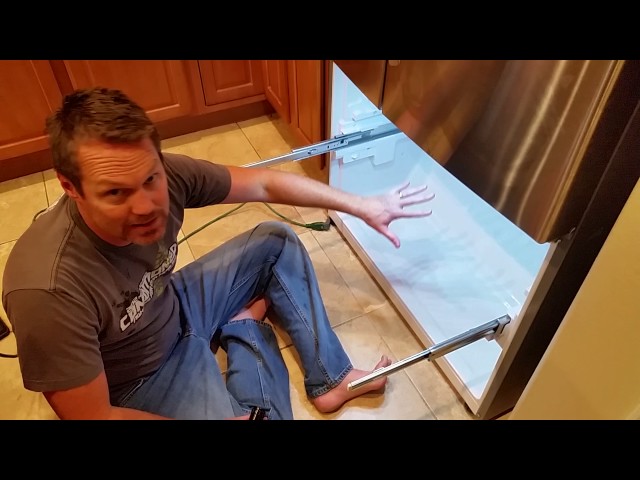
Youtube Video:
Quick Wiring Specifications & Terminal Guide
| Component / Circuit | Standard Wire Gauge | Recommended Protection |
|---|---|---|
| Control & Trigger Signals | 18 – 20 AWG | 5A – 7.5A Inline Fuse |
| Standard Auxiliary Load | 14 – 16 AWG | 15A – 20A Circuit Breaker |
| Main Power Feed / Supply | 10 – 12 AWG | 30A – 40A Heavy-Duty Relay |
Images References
Looking for more diagnostic guides? Explore our complete Refrigerator Problems 4 section for step-by-step troubleshooting solutions.
