Introduction
A clogged drain in your LG front load washer is a common problem that can quickly turn into a messy headache. When your washer can’t drain properly, you’re left with soggy clothes, a potentially overflowing machine, and the worry of water damage. This often happens after washing bulky items like blankets or rugs, or simply due to the buildup of lint, hair, and soap residue over time. Addressing this issue promptly is crucial to prevent further damage to your washer and avoid potential water damage to your home.
Common Causes of lg front load washer clogged drain
Here are some common reasons why your LG front load washer might be experiencing a clogged drain:
- Lint Buildup: Lint is a major culprit, accumulating in the drain pump filter and hoses.
- Small Objects: Coins, buttons, or other small items can accidentally end up in the drain pump.
- Hair: Hair, especially long strands, can easily clog the drain pump and hoses.
- Soap Residue: Excessive use of detergent, especially powdered detergent, can lead to soap buildup.
- Clogged Drain Hose: The hose connecting the washer to your drainpipe can become blocked.
- Drain Pump Malfunction: A faulty or broken drain pump may not be able to remove water effectively.
- Kinked or Blocked Drainpipe: The house drainpipe itself might be blocked or kinked, preventing water from flowing out.
- Overloading the Washer: Overloading can strain the drain pump and make it harder to remove water.
- Foreign Objects in the Tub: Socks or other small garments can sometimes slip past the tub and block the drain.
Symptoms Checklist
Look for these signs that your LG front load washer has a clogged drain:
- Standing water in the washer drum after a cycle.
- Error codes displayed on the washer’s control panel (e.g., OE, drain error).
- The washer makes unusual noises during the drain cycle.
- The washer cycle takes longer than usual to complete.
- Clothes are excessively wet after the spin cycle.
- Water backing up into the drainpipe.
How to Fix lg front load washer clogged drain Step-by-Step Guide
Follow these steps to troubleshoot and fix your clogged drain:
- Unplug the Washer: For safety, always disconnect the power cord from the outlet before starting any repairs.
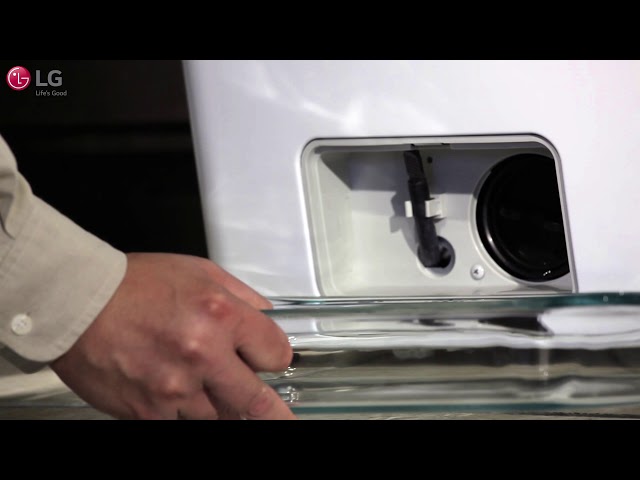
- Locate the Drain Pump Filter: This is typically located at the bottom front of the washer, behind a small access panel. Consult your owner’s manual for the exact location.
- Prepare for Water: Place a shallow pan or towels under the access panel to catch any spilled water.
- Open the Access Panel: Carefully open the panel, usually by unscrewing or prying it open.
- Drain the Remaining Water: Some models have a small drain hose next to the filter. Pull it out and remove the plug to drain the remaining water into your pan. Otherwise, slowly unscrew the filter, allowing water to trickle out.
- Remove and Clean the Drain Pump Filter: Once the water is drained, completely remove the filter. Clean it thoroughly under running water, removing any lint, hair, coins, or other debris.
- Inspect the Drain Pump Housing: Use a flashlight to look inside the filter housing for any remaining obstructions. You might be able to reach in with your fingers or pliers to remove any blockages.
- Check the Drain Hose: Disconnect the drain hose from the back of the washer and inspect it for kinks or clogs. You can try flushing it out with a garden hose.
- Inspect the Drainpipe: Ensure that the drainpipe where the washer’s drain hose connects is not clogged. You can try using a plumbing snake or a wire coat hanger to clear any blockages.
- Reassemble the Washer: Reinstall the drain pump filter, close the access panel, and reconnect the drain hose to the back of the washer.
- Level the Washer: Ensure the washer is level, as an unlevel washer can cause draining problems. Adjust the leveling feet at the bottom of the washer.
- Run a Test Cycle: Plug the washer back in and run a short wash cycle to test if the drain is working properly. Observe if water drains freely.
- Check for Leaks: After the test cycle, check around the filter, drain hose connections, and the base of the washer for any leaks.
Fix the Issue Without Buying Parts
Before considering replacements, try these methods:
- Reset the Washer: Unplug the washer for 5-10 minutes, then plug it back in. This can sometimes clear error codes and reset the system.
- Run a Cleaning Cycle: Use a washing machine cleaner or a mixture of baking soda and vinegar to run a cleaning cycle. This helps remove soap residue and buildup.
- Recalibrate the Washer: Some LG washers have a calibration mode. Consult your owner’s manual for instructions on how to calibrate your specific model.
- Inspect Hoses Regularly: Check the inlet and outlet hoses for any signs of wear and tear, kinks, or blockages regularly.
- Use the Correct Amount of Detergent: Using too much detergent can lead to buildup. Follow the detergent manufacturer’s instructions carefully.
When Replacement Might Be Necessary
If you’ve tried all the troubleshooting steps and the washer still won’t drain, the drain pump itself might be faulty. A replacement drain pump typically costs between $50 and $150 USD. Other parts that might fail include the drain hose or the control board (though the control board is much less common). Before replacing the pump, ensure you’ve thoroughly checked for blockages. If replacing the pump seems daunting, consider contacting a qualified appliance repair technician.
Safety Warning
- Always unplug the washer before performing any repairs.
- Be careful when handling water; mop up any spills immediately to prevent slips.
- If you’re uncomfortable working with electrical appliances, consult a qualified technician.
- Do not attempt to disassemble the drain pump further than removing the filter.
- Protect your eyes when cleaning hoses.
Tools You May Need
- Screwdrivers (Phillips and flathead)
- Pliers
- Shallow pan or towels
- Flashlight
- Bucket
- Plumbing snake or wire coat hanger (optional)
FAQ
Here are some frequently asked questions about clogged LG front load washer drains:
-
Q: My washer displays an “OE” error code. What does that mean?
A: “OE” typically indicates a drain error, meaning the washer is not draining properly. -
Q: How often should I clean the drain pump filter?
A: Ideally, you should clean the filter every 1-3 months, depending on how frequently you use the washer. -
Q: Can I use bleach to clean the drain?
A: While bleach can help remove some buildup, it’s generally not recommended for cleaning the entire drain system. A washing machine cleaner or a mixture of baking soda and vinegar is usually more effective and safer. -
Q: What if I can’t find the drain pump filter?
A: Consult your owner’s manual. The location of the filter can vary depending on the model of your LG washer.
Conclusion
Don’t let a clogged drain ruin your laundry day! By following these steps, you can often resolve the issue yourself and save money on repair costs. Remember to always prioritize safety and consult your owner’s manual for specific instructions related to your LG front load washer model. If you’ve exhausted all troubleshooting options and are still experiencing problems, don’t hesitate to call a qualified appliance repair technician for professional assistance.
Youtube Video:
Looking for more useful options?
Check out recommended resources that others find helpful.