
Introduction
Is your LG fridge making a knocking sound? That repetitive thumping can be annoying and concerning. It’s often a sign that something isn’t quite right inside your fridge, even though it might still be cooling. Ignoring this knocking sound could lead to bigger problems down the road, potentially shortening your fridge’s lifespan. Let’s figure out why this is happening and what you can do to fix it before it turns into a serious repair!
💡 Technical Key Takeaways:
- Core Focus: Diagnostic schematic and terminal connection layout for Lg Fridge Making Knocking Sound.
- Target Scope: Field technicians, automotive DIYers, and residential/commercial electricians.
- Safety Rule: Always disconnect the primary power source/battery terminal and verify zero voltage with a multimeter before touching wires.
Common Causes of lg fridge making knocking sound
Here are some of the most common reasons why your LG fridge might be making a knocking sound:. For more related activities, check out our My Fridge Is Not Making Any Sound.
- Ice Buildup: Excessive ice can form around the evaporator fan in the freezer, causing it to hit the ice and make a knocking noise.
- Defrost System Issues: A faulty defrost heater or defrost timer can prevent the ice from melting, leading to ice buildup and knocking.
- Faulty Evaporator Fan Motor: The fan motor itself could be wearing out, causing the fan to wobble and knock against surrounding parts.
- Condenser Fan Obstruction: The condenser fan, usually located at the back of the fridge, can get blocked by dust, debris, or even the fridge itself being too close to the wall.
- Water Line Problems: If you have an ice maker or water dispenser, the water line can sometimes vibrate against the back of the fridge, creating a knocking sound.
- Compressor Issues: Though less common, the compressor (the fridge’s engine) can sometimes make knocking noises if it’s starting to fail.
- Loose Components: Sometimes, panels or other components inside the fridge can come loose and vibrate, causing a knocking sound.
- Leveling Problems: An unlevel fridge can cause internal components to shift and knock against each other.
Symptoms Checklist
Check these indicators to accurately identify the cause of the knocking:
- Knocking sound coming from the freezer compartment.
- Knocking sound increases when the fridge is running.
- Knocking sound stops temporarily after defrosting the freezer.
- Visible ice buildup on the back wall of the freezer.
- Water leaking from the fridge.
- The fridge is not cooling as effectively as it used to.
- The knocking sound is accompanied by other noises, such as buzzing or clicking.
How to Fix lg fridge making knocking sound Step-by-Step Guide
- Unplug the Fridge: Always start by unplugging the fridge from the power outlet for safety.
- Empty the Freezer: Remove all food from the freezer to access the back panel.
- Remove the Freezer Back Panel: Use a screwdriver to remove the screws holding the back panel in place.
- Inspect for Ice Buildup: Look for excessive ice buildup on the evaporator coils and fan.
- Manually Defrost: If there’s ice buildup, manually defrost the freezer by leaving the door open for a few hours or using a hairdryer (on a low setting and keeping a safe distance) to melt the ice.
- Check the Evaporator Fan: Once the ice is melted, check the evaporator fan to see if it spins freely. If it’s stuck or difficult to turn, the motor may be faulty.
- Inspect the Condenser Fan: Locate the condenser fan at the back of the fridge (usually at the bottom). Ensure it’s free of dust and debris. Clean it with a brush or vacuum cleaner.
- Check the Water Line: If your fridge has an ice maker or water dispenser, inspect the water line to make sure it’s not vibrating against the back of the fridge. Secure it with zip ties or foam padding.
- Level the Fridge: Use a level to ensure the fridge is properly leveled. Adjust the legs at the bottom of the fridge until it’s level.
- Check for Loose Components: Inspect the interior of the fridge and freezer for any loose panels or components. Tighten any screws or clips that may be loose.
- Plug the Fridge Back In: Once you’ve completed the above steps, plug the fridge back in.
- Monitor the Fridge: Listen for the knocking sound to return. If it does, note when it occurs (e.g., only when the compressor is running).
Fix the Issue Without Buying Parts
Before considering replacement parts, try these free methods:
- Reset the Fridge: Unplug the fridge for 5-10 minutes, then plug it back in. This can sometimes reset the system and resolve minor issues.
- Cleaning: Regularly clean the inside of the fridge and freezer to prevent ice buildup and keep components clean.
- Recalibration (if applicable): Some LG fridges have recalibration features in their settings. Consult your user manual.
- Regular Inspection: Regularly inspect the back of the fridge for dust buildup and ensure proper ventilation.
- Maintenance Basics: Ensure door seals are clean and tight to prevent warm air from entering and causing ice buildup.
When Replacement Might Be Necessary
If the knocking sound persists after trying the above steps, the evaporator fan motor or compressor may be failing. Replacing these parts can be costly.The evaporator fan motor can range from $50-$150. Compressor replacement will be more costly, with price ranges from $200-$500 and often require a professional. If the repair cost is significant compared to the fridge’s value, consider whether replacing the entire unit is more economical. Parts commonly failing include the Evaporator fan motor, defrost heater, and the compressor.
Safety Warning
- Always unplug the fridge from the power outlet before performing any maintenance or repairs.
- Be careful when handling electrical components. If you are not comfortable working with electricity, contact a qualified technician.
- Avoid working on the fridge with wet hands or on a wet floor.
- Always dispose of old parts properly.
Tools You May Need
Here’s a list of simple tools that may be helpful:
- Screwdriver (Phillips and flathead)
- Vacuum cleaner with hose attachment
- Brush
- Level
- Zip ties
- Foam padding
- Hairdryer (optional, for defrosting)
FAQ
Here are some frequently asked questions about fridge knocking sounds:
- Q: Why is my fridge knocking even after I defrosted it? A: The defrost system itself may be faulty, preventing it from properly melting ice. Check the defrost heater and timer.
- Q: How do I know if the compressor is the problem? A: A failing compressor often makes a loud, rattling or knocking sound, and the fridge may not be cooling properly.
- Q: Can I fix the knocking sound myself, or do I need a technician? A: Many simple causes, like ice buildup or loose components, can be fixed yourself. If the problem persists after trying the troubleshooting steps, it’s best to call a technician.
- Q: How often should I defrost my fridge? A: It depends on your fridge model and usage, but generally, defrosting the freezer every 6-12 months is recommended to prevent excessive ice buildup.
Conclusion
A knocking sound from your LG fridge can be alarming, but often, it’s a sign of a simple issue you can resolve yourself. By following this troubleshooting guide, you can identify the cause of the knocking and take steps to fix it without immediately resorting to expensive repairs. If you’ve tried everything and the noise persists, don’t hesitate to contact a qualified appliance repair technician. Remember, regular maintenance can help prevent these issues and keep your fridge running smoothly for years to come! Good luck!
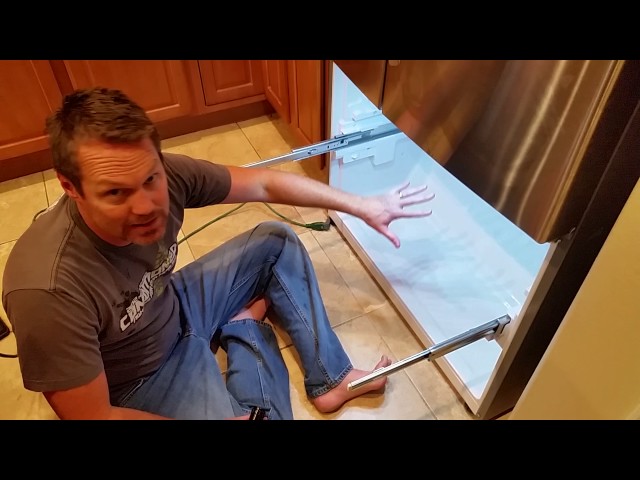
Youtube Video:
Quick Wiring Specifications & Terminal Guide
| Component / Circuit | Standard Wire Gauge | Recommended Protection |
|---|---|---|
| Control & Trigger Signals | 18 – 20 AWG | 5A – 7.5A Inline Fuse |
| Standard Auxiliary Load | 14 – 16 AWG | 15A – 20A Circuit Breaker |
| Main Power Feed / Supply | 10 – 12 AWG | 30A – 40A Heavy-Duty Relay |
Images References
Looking for more diagnostic guides? Explore our complete Refrigerator Problems 4 section for step-by-step troubleshooting solutions.
