
Introduction
Is your LG refrigerator diligently making ice, but refusing to dispense it? This frustrating situation is a common issue for many homeowners. You have a full ice bin, but nothing comes out when you press the dispenser. This can be inconvenient, especially during hot weather or when entertaining. The longer you wait to address it, the more inconvenient it becomes, and potentially the more costly the repair could be. Let’s troubleshoot this together!
💡 Technical Key Takeaways:
- Core Focus: Diagnostic schematic and terminal connection layout for Lg Fridge Making Ice But Not Dispensing.
- Target Scope: Field technicians, automotive DIYers, and residential/commercial electricians.
- Safety Rule: Always disconnect the primary power source/battery terminal and verify zero voltage with a multimeter before touching wires.
Common Causes of LG Fridge Making Ice But Not Dispensing
Here are some of the most frequent culprits behind an LG fridge refusing to dispense ice, even when it’s making ice:. For more related activities, check out our My Lg Refrigerator Is Not Making Enough Ice.
- Frozen Ice Chunks: Large ice clumps can block the dispenser chute.
- Ice Maker Jam: The ice maker itself might be jammed, preventing cubes from being released.
- Frozen Dispenser Chute: Ice can melt and refreeze in the dispenser chute, creating a blockage.
- Faulty Dispenser Motor: The motor that drives the dispenser auger might be malfunctioning.
- Defective Dispenser Switch: The switch you press to activate the dispenser could be broken.
- Broken Auger Motor Coupling: The small plastic coupling connecting the auger motor to the auger can break.
- Clogged Water Filter: A severely clogged water filter can affect ice production and indirectly impact dispensing.
- Low Water Pressure: Insufficient water pressure to the ice maker can create misshapen ice that jams the system.
- Door Switch Issues: Sometimes a faulty door switch can prevent the dispenser from working, even if everything else is functional.
Symptoms Checklist
Use this checklist to pinpoint the problem:
- Ice maker is producing ice normally.
- The ice bin is full or partially full.
- Pressing the dispenser lever/button results in no ice being dispensed.
- You might hear a motor trying to run, or no sound at all when activating the dispenser.
- The ice cubes are frozen together in a large mass.
- Water dispenses normally.
- The display panel shows no error codes related to the ice maker or dispenser.
How to Fix LG Fridge Making Ice But Not Dispensing Step-by-Step Guide
Follow these steps to troubleshoot and fix the issue:
- Unplug the Refrigerator: For safety, always unplug the refrigerator from the power outlet before starting any repairs.
- Remove the Ice Bin: Carefully remove the ice bin from the freezer compartment.
- Inspect the Ice: Check for large clumps or frozen masses of ice. If present, break them up manually.
- Melt Frozen Ice: If the ice is heavily frozen together, let the ice bin sit at room temperature for 30-60 minutes to partially melt the ice. You can also use a hairdryer on a low setting, but be careful not to melt the plastic bin.
- Check the Dispenser Chute: Visually inspect the dispenser chute for any ice blockages. You can use a plastic utensil (like a spatula handle) to gently dislodge any ice.
- Clear the Auger: The auger is the spiral-shaped part that pushes the ice forward. Manually rotate the auger. If its stuck, try to free it by wiggling it gently. Remove any visible ice obstructions.
- Check the Auger Motor Coupling: Look for a small plastic connector linking the auger to the motor. If it’s broken, this is a common cause. (Note: This may require removing a back panel inside the freezer.)
- Test the Dispenser Switch: With the refrigerator still unplugged, locate the dispenser switch. (Consult your refrigerator’s service manual for its exact location). Test the switch with a multimeter for continuity if you have one. (This is an advanced step and may require professional assistance)
- Check Water Filter: Replace or clean the water filter. A clogged filter can restrict water flow to the ice maker, affecting ice quality and potentially leading to jams.
- Check Water Pressure: Ensure your home’s water pressure is adequate (typically 40-60 psi). Low water pressure can cause poorly formed ice.
- Thoroughly Clean the Ice Bin: After clearing any blockages, wash the ice bin with warm, soapy water. Rinse it thoroughly and dry it completely before replacing it.
- Reassemble and Plug In: Reinstall the ice bin and plug the refrigerator back in.
- Test the Dispenser: Press the dispenser lever/button to test if the ice is dispensing correctly.
- Allow Time to Recover: It may take a few hours for the ice maker to start producing and dispensing ice properly after being disturbed.
Fix the Issue Without Buying Parts
Often, you can resolve the issue without needing to buy new parts. Here are some free methods:
- Refrigerator Reset: Unplug the refrigerator for 5-10 minutes to reset the control board. This can sometimes clear minor glitches.
- Manual Defrost: A manual defrost cycle can melt away stubborn ice build-up. Consult your refrigerators manual for instructions.
- Check Door Seals: Ensure the freezer door seals are clean and intact. Leaky seals can lead to excessive frost build-up.
- Proper Loading: Avoid overpacking the freezer, as this can obstruct airflow and contribute to ice formation.
- Regular Cleaning: Periodically clean the ice bin and dispenser area to prevent ice buildup and jams.
When Replacement Might Be Necessary
If the above steps dont work, replacement of parts may be required. Common parts that fail are the dispenser motor ($50 – $150), the auger motor coupling ($10 – $30), or the dispenser switch ($20 – $50). If the ice maker itself is defective, that could range from $100-$300. If you’re not comfortable replacing these parts yourself, it’s best to call a qualified appliance repair technician.
Safety Warning
- Always unplug the refrigerator before attempting any repairs.
- Avoid working on electrical components if you are not comfortable doing so. Call a professional.
- Be careful when handling sharp objects or tools.
- Clean up any spills immediately to prevent slips and falls.
- Do not use excessive force when dislodging ice, as this could damage the dispenser mechanism.
Tools You May Need
- Screwdriver (Phillips and flathead)
- Plastic spatula or similar utensil
- Warm water and soap
- Clean cloths or towels
- Hair dryer (optional)
- Multimeter (optional, for testing electrical components)
FAQ
Q: My fridge makes ice, but it’s small and misshapen. What’s wrong?
A: This is likely due to low water pressure or a clogged water filter. Check both.
Q: The dispenser makes a grinding noise but no ice comes out. What does this mean?
A: This often indicates a broken auger motor coupling.
Q: How often should I change my water filter?
A: Typically, every 6 months, or as recommended by the manufacturer.
Q: My ice maker seems frozen solid. What should I do?
A: Try manually defrosting the ice maker or the entire freezer compartment.
Conclusion
Troubleshooting an LG fridge that makes ice but doesn’t dispense it can seem daunting, but by following these steps, you can often resolve the issue yourself. Remember to prioritize safety and take your time. If you’re uncomfortable with any of these steps, don’t hesitate to call a qualified appliance repair technician. Good luck!
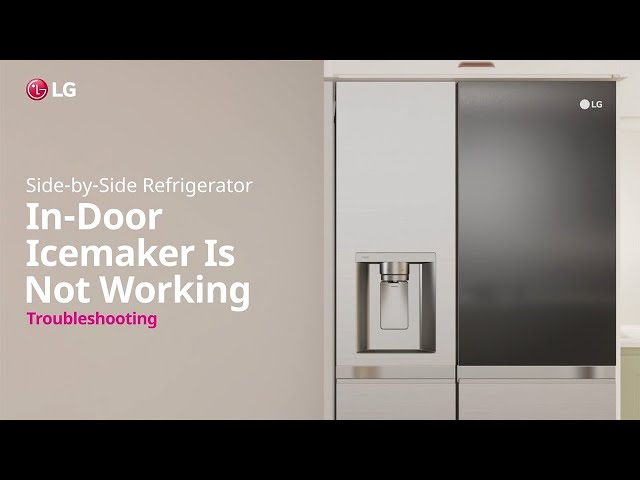
Youtube Video:
Quick Wiring Specifications & Terminal Guide
| Component / Circuit | Standard Wire Gauge | Recommended Protection |
|---|---|---|
| Control & Trigger Signals | 18 – 20 AWG | 5A – 7.5A Inline Fuse |
| Standard Auxiliary Load | 14 – 16 AWG | 15A – 20A Circuit Breaker |
| Main Power Feed / Supply | 10 – 12 AWG | 30A – 40A Heavy-Duty Relay |
Images References
Looking for more diagnostic guides? Explore our complete Refrigerator Problems 4 section for step-by-step troubleshooting solutions.
