
Introduction
A Kenmore washer that isn’t agitating can be incredibly frustrating. Agitation is the washing machine’s primary way of getting your clothes clean! When the agitator isn’t moving, your clothes are essentially just soaking, resulting in dirty laundry. This usually becomes apparent when you notice your clothes are still soiled after a wash cycle. Addressing this quickly is important, as continued use with a non-agitating washer can potentially cause other issues and won’t get your laundry clean. Let’s figure out why your Kenmore washer isn’t agitating and how to fix it!
💡 Technical Key Takeaways:
- Core Focus: Diagnostic schematic and terminal connection layout for Kenmore Washer Not Agitating.
- Target Scope: Field technicians, automotive DIYers, and residential/commercial electricians.
- Safety Rule: Always disconnect the primary power source/battery terminal and verify zero voltage with a multimeter before touching wires.
Common Causes of kenmore washer not agitating
Here are several reasons why your Kenmore washer might not be agitating:
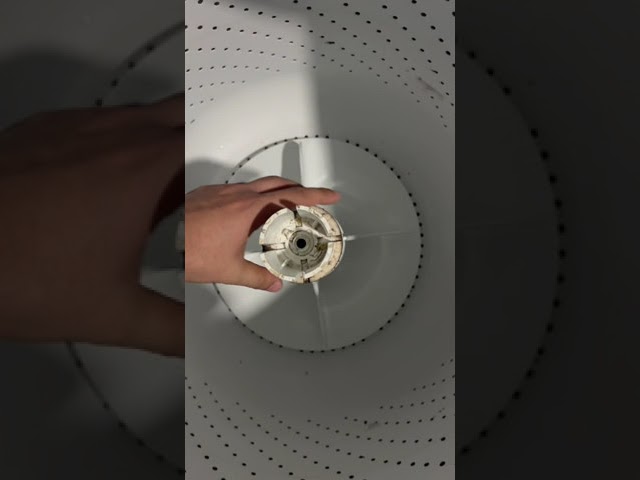
- Broken Agitator Dogs (or Cogs): These small plastic parts are responsible for making the agitator move in one direction. When they break or wear down, the agitator may only move in one direction or not at all.
- Worn Agitator Coupler: The agitator coupler connects the motor to the agitator. A worn or broken coupler will prevent the motor’s power from reaching the agitator.
- Faulty Lid Switch: The lid switch prevents the washer from agitating or spinning when the lid is open. If the switch is faulty, it might not register that the lid is closed, even when it is.
- Stretched or Broken Drive Belt: Many Kenmore washers use a belt to transfer power from the motor to the agitator. A worn or broken belt won’t be able to do this effectively.
- Motor Problems: The washer motor might be failing. If it’s not running properly, it won’t be able to power the agitator.
- Clogged or Blocked Drain Pump: While seemingly unrelated, a clogged drain pump can prevent the washer from properly cycling, which may affect agitation.
- Overloading the Washer: Packing too many clothes into the washer can strain the motor and prevent the agitator from moving freely.
- Loose Wiring: Loose or damaged wires connecting the motor, lid switch, or other components can disrupt the agitation cycle.
Symptoms Checklist
Here are some indicators that can help you confirm the issue:
- The washer fills with water, but the agitator doesn’t move.
- The agitator only moves slightly or in one direction.
- You hear the motor running, but the agitator remains still.
- The washer makes unusual noises during the agitation cycle.
- The washer stops mid-cycle.
- The lid switch appears to be functioning normally.
How to Fix kenmore washer not agitating Step-by-Step Guide
- Unplug the Washer: Always disconnect the power cord before attempting any repairs. This is crucial for your safety.
- Check for Overloading: Remove some clothes if the washer is packed tightly. Try running a small load to see if the agitator starts working.
- Inspect the Lid Switch: Carefully examine the lid switch. Make sure it’s not damaged or obstructed. Sometimes cleaning around the switch will solve the problem. Manually push the switch while the washer is unplugged to see if it feels loose or sticky.
- Access the Agitator: Most Kenmore washers have an agitator that can be removed. Look for a cap or cover on top of the agitator. Remove it to expose the bolt or screw underneath.
- Remove the Agitator: Unscrew the bolt or screw and carefully lift the agitator out of the washer tub. Be prepared for it to be stuck and require some force.
- Inspect the Agitator Dogs (or Cogs): Once the agitator is removed, inspect the agitator dogs (or cogs) located at the bottom. These are small plastic pieces that allow the agitator to move in one direction. If they are broken or worn, they need to be addressed.
- Check the Agitator Coupler: If you have access to the area beneath the agitator, inspect the coupler. Look for signs of wear, cracks, or breakage.
- Inspect the Drive Belt: To access the drive belt, you may need to remove the washer’s cabinet. Refer to your washer’s service manual or online resources for specific instructions. Once you have access, check the belt for cracks, wear, or breakage.
- Check for Obstructions: While you have the agitator removed, feel around inside the washer tub for any obstructions that might be preventing the agitator from moving freely.
- Listen to the Motor: Plug the washer back in (carefully, ensuring nothing is touching any bare wires!) and start a wash cycle. Listen closely to the motor. Does it sound like it’s running normally, or does it sound strained or weak?
- Check the Wiring: If you are comfortable doing so, inspect the wiring connections to the motor and lid switch. Look for loose or corroded connections. Unplug the washer again before touching any wires.
- Run a Test Cycle: After inspecting and cleaning, reassemble the agitator and run a test cycle with a small load of clothes to see if the agitator is working properly.
- Consult the User Manual: Check your Kenmore washer’s user manual for troubleshooting tips specific to your model.
Fix the Issue Without Buying Parts
Sometimes, you can resolve the issue without replacing any parts:
- Reset the Washer: Unplug the washer for a few minutes and then plug it back in. This can sometimes reset the control panel and resolve minor glitches.
- Clean the Agitator: Remove any lint, debris, or buildup from the agitator and the surrounding area.
- Run an Empty Wash Cycle with Vinegar: Pour a cup of white vinegar into the washer tub and run an empty wash cycle on the hottest setting. This can help to clean the washer and remove any buildup that might be affecting performance.
- Inspect the Drain Hose: Make sure the drain hose isn’t kinked or blocked, as this can affect the washer’s ability to cycle properly.
When Replacement Might Be Necessary
If you’ve tried all the troubleshooting steps and the agitator still isn’t working, you might need to replace some parts. Here are some commonly failing parts and estimated costs:
- Agitator Dogs (or Cogs): $5 – $20
- Agitator Coupler: $10 – $30
- Lid Switch: $15 – $40
- Drive Belt: $10 – $30
- Motor: $100 – $300 (professional installation recommended)
Safety Warning
- Always unplug the washer before attempting any repairs.
- Be careful when working with electrical components.
- Avoid getting water on electrical parts.
- If you are not comfortable performing repairs yourself, consult a qualified appliance repair technician.
- Ensure the area around the washer is dry to prevent slips.
Tools You May Need
- Screwdriver (Phillips and flathead)
- Pliers
- Socket set
- Multimeter (optional, for testing electrical components)
- Work gloves
- Shop towels
FAQ
Here are some frequently asked questions about Kenmore washers not agitating:
-
Q: Why is my Kenmore washer filling with water but not agitating?
A: This could be due to a faulty lid switch, a broken agitator coupler, or a problem with the motor. -
Q: How do I know if my agitator dogs are broken?
A: Inspect the agitator dogs for cracks, wear, or breakage. If they are damaged, they need to be replaced. -
Q: Can overloading my washer cause it to not agitate?
A: Yes, overloading the washer can strain the motor and prevent the agitator from moving freely. -
Q: What should I do if I can’t figure out what’s wrong with my washer?
A: Consult a qualified appliance repair technician for assistance.
Conclusion
Troubleshooting a Kenmore washer that isn’t agitating can seem daunting, but by following these steps, you can often identify and resolve the issue yourself. Remember to prioritize safety and take your time. If you’re uncomfortable performing any of these repairs, don’t hesitate to call a qualified technician. Good luck, and happy washing!
Youtube Video:
Quick Wiring Specifications & Terminal Guide
| Component / Circuit | Standard Wire Gauge | Recommended Protection |
|---|---|---|
| Control & Trigger Signals | 18 – 20 AWG | 5A – 7.5A Inline Fuse |
| Standard Auxiliary Load | 14 – 16 AWG | 15A – 20A Circuit Breaker |
| Main Power Feed / Supply | 10 – 12 AWG | 30A – 40A Heavy-Duty Relay |
Images References
Looking for more diagnostic guides? Explore our complete Washing Machine Problems 2 section for step-by-step troubleshooting solutions.
