Introduction
A Kenmore washer that won’t drain can quickly turn laundry day into a stressful event. Standing water in your washing machine not only prevents you from doing more laundry, but it can also lead to unpleasant odors and even damage your clothes. This issue can happen after a particularly large load, after washing items that shed a lot of lint, or simply due to gradual buildup over time. Addressing a slow or non-existent drain promptly can prevent more serious problems like mold growth or damage to your washing machine’s pump and motor. Let’s get your Kenmore washer draining properly again.
Common Causes of kenmore washer drain
Here are some of the most frequent reasons why your Kenmore washer might be struggling to drain:
- Clogged Drain Hose: The hose that carries water away from the washer can become blocked with lint, hair, or small objects.
- Kinked Drain Hose: A bend or kink in the drain hose can restrict water flow.
- Clogged Drain Pump Filter: Many Kenmore washers have a filter to catch debris before it reaches the drain pump. This filter can become clogged.
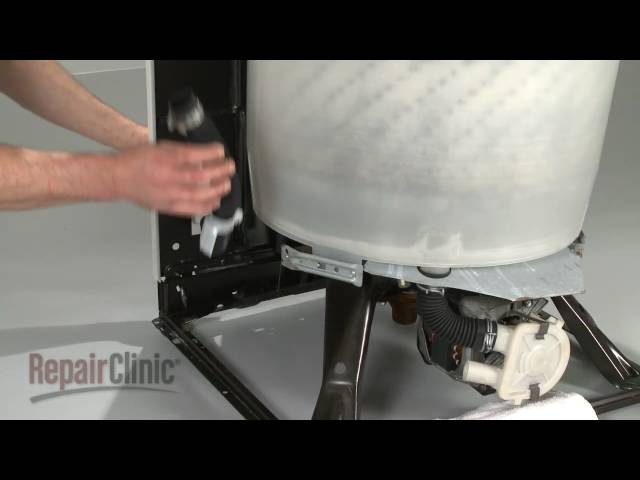
- Faulty Drain Pump: The drain pump is responsible for pushing water out of the washer. If it’s malfunctioning, it won’t drain properly.
- Clogged Standpipe: The standpipe is the vertical pipe where the drain hose empties. It can become clogged with various materials.
- Air Lock: Sometimes air can get trapped in the drain system, preventing water from flowing freely.
- Overloading the Washer: Putting too many clothes in the washer can sometimes restrict the drain pump’s ability to function effectively.
- Lid Switch Issue: In some Kenmore models, a faulty lid switch can prevent the drain cycle from starting.
- Control Panel Malfunction: Though less common, a problem with the washer’s control panel can sometimes disrupt the drain cycle.
Symptoms Checklist
Use this checklist to accurately identify the issue:
- Water remains in the washer drum after the wash cycle.
- The washer makes a humming or buzzing sound during the drain cycle, but no water is being pumped out.
- The drain cycle takes an unusually long time.
- You find small objects or lint in the bottom of the washer drum.
- The drain hose is visibly kinked or damaged.
- The standpipe overflows when the washer tries to drain.
- The washer displays an error code related to draining.
How to Fix kenmore washer drain Step-by-Step Guide
Follow these steps to troubleshoot and fix your Kenmore washer drain issue:
- Unplug the Washer: Always disconnect the washer from the power outlet before starting any troubleshooting. This is very important for your safety.
- Inspect the Drain Hose: Locate the drain hose (usually at the back of the washer). Check for any visible kinks, bends, or blockages. Straighten out any kinks.
- Detach the Drain Hose: Carefully detach the drain hose from both the washer and the standpipe. Have a bucket ready to catch any remaining water.
- Flush the Drain Hose: Use a garden hose or sink faucet to flush out the drain hose. Remove any debris you find inside.
- Check the Standpipe: Make sure the standpipe (the pipe the drain hose empties into) isn’t clogged. You can use a plumbing snake or a stiff wire to clear any blockages.
- Locate the Drain Pump Filter: Refer to your Kenmore washer’s owner’s manual to find the location of the drain pump filter. It’s usually located at the front, near the bottom of the machine, behind a small access panel.
- Clean the Drain Pump Filter: Open the access panel and carefully remove the drain pump filter. Clean it thoroughly under running water to remove any lint, hair, or debris.
- Reinstall the Drain Pump Filter: Make sure the filter is properly seated and secured before closing the access panel.
- Reattach the Drain Hose: Reconnect the drain hose to both the washer and the standpipe, ensuring it’s securely attached.
- Check for Air Lock: If you suspect an air lock, try gently lowering the drain hose towards the floor while the washer is attempting to drain. This can sometimes release trapped air.
- Check the Lid Switch: Carefully inspect the lid switch mechanism. Make sure the lid is properly engaging the switch when closed. If it appears damaged, it might need further inspection (though replacing it isn’t the first step).
- Run a Test Cycle: Plug the washer back in and run a short test cycle to see if the washer now drains properly.
- Listen for Unusual Noises: While the washer is running, listen carefully for any unusual noises coming from the drain pump area. This could indicate a problem with the pump itself.
Fix the Issue Without Buying Parts
Before considering replacing any parts, try these free methods:
- Washer Reset: Unplug the washer for a few minutes, then plug it back in. This can sometimes reset the control panel and resolve minor issues.
- Self-Cleaning Cycle: If your Kenmore washer has a self-cleaning cycle, run it regularly to help prevent buildup in the drain system.
- Regular Maintenance: Regularly clean the drain pump filter and inspect the drain hose for any signs of damage or blockage.
- Reduce Load Size: Avoid overloading the washer, especially when washing bulky items.
When Replacement Might Be Necessary
If you’ve tried all the troubleshooting steps and your Kenmore washer still won’t drain, the drain pump itself might be faulty. Replacing the drain pump typically costs between $50 and $200 (USD), including the part and potential labor. The drain hose itself is a relatively inexpensive part to replace, usually costing between $10 and $30 (USD). If the control panel is malfunctioning, that’s a more complex and potentially expensive repair, potentially costing $150-$350 (USD) or more.
Safety Warning
- Always unplug the washer before performing any troubleshooting or repairs.
- Avoid working on electrical components with wet hands.
- Be careful when handling water and avoid creating slip hazards on the floor.
- If you’re not comfortable performing any of these steps, consult a qualified appliance repair technician.
Tools You May Need
- Screwdrivers (Phillips and flathead)
- Pliers
- Bucket
- Garden hose or sink faucet
- Plumbing snake or stiff wire
- Towels
FAQ
Here are some frequently asked questions about Kenmore washer drain issues:
-
Q: Why is my Kenmore washer draining slowly?
A: A slow drain is often caused by a partial clog in the drain hose, drain pump filter, or standpipe. -
Q: How often should I clean the drain pump filter?
A: It’s recommended to clean the drain pump filter every 1-3 months, depending on how often you use your washer. -
Q: Can I use drain cleaner in my washing machine?
A: It’s generally not recommended to use chemical drain cleaners in your washing machine, as they can damage the components. -
Q: My washer is making a loud noise when draining. What could it be?
A: A loud noise during draining could indicate a problem with the drain pump, such as a loose impeller or a foreign object stuck inside. -
Q: Why is my washer showing an error code related to draining?
A: Error codes vary by model, but they usually indicate a blockage, pump issue, or sensor problem. Consult your owner’s manual for the specific code definition and recommended actions.
Conclusion
Troubleshooting a Kenmore washer drain issue can seem daunting, but by following these steps, you can often resolve the problem yourself without the expense of calling a technician. Remember to prioritize safety and take your time. If you’ve exhausted all these options and your washer still isn’t draining, it might be time to seek professional help. Good luck!
Youtube Video:
Looking for more useful options?
Check out recommended resources that others find helpful.