Introduction
Discovering standing water in your Kenmore washing machine after a completed cycle is never a good sign. It indicates a kenmore washer clogged drain, which prevents the water from properly exiting the machine. This not only leaves your clothes soaking wet but can also lead to unpleasant odors and potential water damage to your home. Ignoring a clogged drain can strain your washer’s motor, possibly causing more significant and costly repairs down the line. Addressing this issue promptly is crucial to keeping your laundry routine smooth and protecting your appliance and home.
Common Causes of kenmore washer clogged drain
Several factors can contribute to a kenmore washer clogged drain. Here are some common culprits:
- Lint Buildup: Lint is a common byproduct of washing clothes. Over time, it can accumulate and create a blockage in the drain hose.
- Small Objects: Socks, coins, buttons, or other small items that accidentally make their way into the washer can clog the drain pump or hose.
- Soap Scum: Excessive use of detergent, especially powder detergent, can lead to soap scum buildup, restricting water flow.
- Drain Hose Kinks or Bends: A kinked or bent drain hose restricts water flow and can cause a clog.
- Clogged Drain Pump Filter: Many Kenmore washers have a filter designed to catch debris before it reaches the drain pump. This filter can become clogged.
- Drainpipe Obstruction: The drainpipe where your washer’s drain hose connects can be clogged itself.
- Biofilm Buildup: Over time, bacteria and mold can grow inside the drain hose, creating a slimy biofilm that restricts water flow.
- Hard Water Deposits: Mineral buildup from hard water can accumulate in the drain system, narrowing the passage and leading to clogs.
Symptoms Checklist
Here’s how to know if you likely have a kenmore washer clogged drain:
- Standing water remains in the washer drum after a wash cycle.
- The washer makes unusual gurgling or bubbling noises during the drain cycle.
- The drain cycle takes significantly longer than usual.
- Error codes related to draining appear on the washer’s display panel.
- The washer vibrates excessively during the spin cycle.
How to Fix kenmore washer clogged drain Step-by-Step Guide
Follow these steps to troubleshoot and fix your kenmore washer clogged drain:
- Unplug the Washer: Disconnect the power cord from the electrical outlet for safety.
- Locate the Drain Hose: This is usually a flexible hose connected to the back of the washer.
- Check for Kinks or Bends: Straighten any kinks or sharp bends in the drain hose. Ensure the hose isn’t crushed or pinched.
- Detach the Drain Hose: Carefully detach the drain hose from the drainpipe or standpipe. Have a bucket ready to catch any remaining water.
- Inspect the Drain Hose: Look for any visible blockages in the hose. You can try running water through it to see if it flows freely.
- Flush the Drain Hose: If you suspect a clog, use a garden hose or a flexible drain snake to flush out any debris.
- Check the Drainpipe: Insert the drain snake into the drainpipe in the wall to ensure it’s not blocked.
- Locate the Drain Pump Filter: This is typically located at the bottom front of the washer, behind a small access panel. Refer to your washer’s manual for the exact location.
- Clean the Drain Pump Filter: Remove the access panel and unscrew or pull out the drain pump filter. Clean any lint, debris, or foreign objects from the filter. Be prepared for some water to spill out.
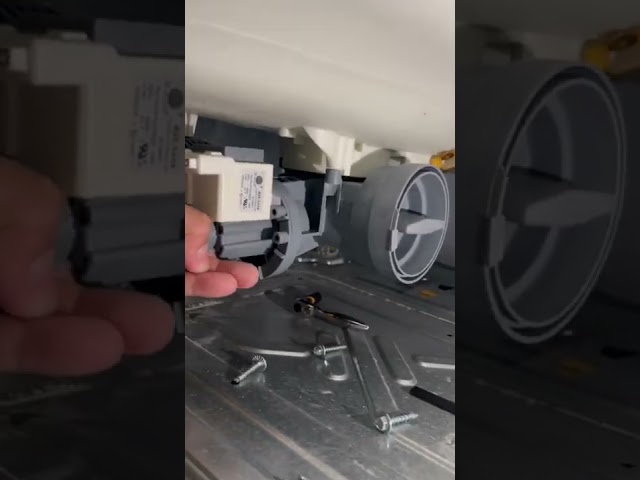
- Inspect the Drain Pump: With the filter removed, visually inspect the drain pump impeller (the small fan-like blades inside the pump) for any obstructions.
- Test the Drain Pump (If Accessible): If you can safely access the drain pump, try turning the impeller manually. If it’s difficult to turn, it might be blocked.
- Reassemble the Filter and Hose: Reinstall the drain pump filter and securely reattach the drain hose to the drainpipe.
- Run a Test Cycle: Plug the washer back in and run a short rinse and spin cycle to see if the water drains properly.
- Check for Leaks: After the test cycle, inspect the connections around the drain hose and drain pump filter for any leaks.
- Repeat if Necessary: If the problem persists, repeat these steps or consider seeking professional help.
Fix the Issue Without Buying Parts
Before considering replacement parts, try these free methods:
- Reset the Washer: Unplug the washer for 1-2 minutes to reset the electronic controls. Plug it back in and try a drain and spin cycle.
- Run a Cleaning Cycle: Use a washing machine cleaner or a mixture of baking soda and vinegar to clean the drum and drain system.
- Recalibrate the Washer: Some Kenmore models have a calibration mode. Refer to your owner’s manual for instructions on how to calibrate the washer.
- Inspect the Washer’s Legs: Ensure the washer is level. Uneven legs can affect draining performance.
- Regular Maintenance: Run a cleaning cycle monthly and avoid using excessive amounts of detergent to prevent future clogs.
When Replacement Might Be Necessary
If you’ve tried all the troubleshooting steps and the washer still won’t drain, the drain pump might be faulty. Replacing the drain pump typically costs between $80 and $200, including the part and labor. Other parts that might need replacing include the drain hose (around $20-$50) or the drain pump filter (around $10-$30). Consider consulting a qualified appliance repair technician for an accurate diagnosis and repair estimate.
Safety Warning
- Always unplug the washing machine before attempting any repairs.
- Be careful when handling water to avoid slips and falls. Clean up any spills immediately.
- If you’re uncomfortable working with electrical or plumbing components, contact a qualified technician.
- Never force any parts. If something doesn’t come loose easily, stop and reassess the situation.
Tools You May Need
- Screwdrivers (Phillips and flathead)
- Pliers
- Bucket
- Towels
- Garden hose or drain snake
- Gloves
- Washing machine cleaner
FAQ
-
Q: Why is my Kenmore washer not draining but still spinning?
A: This could indicate a partial clog in the drain hose or pump, allowing some water to pass through but not enough for a full drain. -
Q: How often should I clean my washing machine’s drain pump filter?
A: Ideally, you should clean the filter every 2-3 months, or more frequently if you wash a lot of lint-heavy items. -
Q: Can I use bleach to unclog my washing machine drain?
A: While bleach can help kill bacteria and mold, it’s not effective at dissolving solid clogs. It’s best to physically remove the clog. -
Q: Why does my washer smell bad even after cleaning it?
A: Lingering odors can be caused by biofilm buildup in the drain hose or other internal components. Consider using a specialized washing machine cleaner designed to remove biofilm.
Conclusion
A kenmore washer clogged drain can be a frustrating issue, but with these steps, you’re well-equipped to diagnose and potentially fix the problem yourself. By tackling this task yourself, you can save money and gain valuable experience. If you’ve exhausted all troubleshooting options and the problem persists, don’t hesitate to contact a qualified appliance repair technician. A professional can accurately diagnose the issue and ensure your Kenmore washer is back in top working condition. Good luck!
Youtube Video:
Looking for more useful options?
Check out recommended resources that others find helpful.