
Introduction
A loud noise coming from the compressor of your Kenmore refrigerator is a common problem that can be quite alarming. The compressor is the heart of your refrigerator, responsible for circulating the refrigerant that keeps your food cold. When it starts making unusual noises, it’s a sign that something isn’t right. Ignoring this issue can lead to your refrigerator failing, causing food spoilage and potentially requiring expensive repairs or even a full refrigerator replacement. This guide will walk you through the common causes of a noisy compressor and provide step-by-step instructions on how to troubleshoot and potentially fix the problem yourself.
💡 Technical Key Takeaways:
- Core Focus: Diagnostic schematic and terminal connection layout for Kenmore Refrigerator Loud Noise Compressor.
- Target Scope: Field technicians, automotive DIYers, and residential/commercial electricians.
- Safety Rule: Always disconnect the primary power source/battery terminal and verify zero voltage with a multimeter before touching wires.
Common Causes of Kenmore Refrigerator Loud Noise Compressor
Several factors can contribute to a loud compressor noise:
- Loose Mounting Bolts: The compressor is mounted to the refrigerator frame. Loose bolts can cause it to vibrate excessively and create noise.
- Dirty Condenser Coils: Dust and debris on the condenser coils restrict airflow, forcing the compressor to work harder and potentially make more noise.
- Worn Compressor Grommets: These rubber or plastic pieces dampen vibrations between the compressor and the refrigerator frame. They can wear out over time.
- Internal Compressor Failure: The compressor itself may be failing due to wear and tear on its internal components.
- Overload Relay Issues: The overload relay protects the compressor from overheating. A faulty relay can cause unusual cycling and noise.
- Start Relay Problems: The start relay helps the compressor kickstart. A failing start relay can cause clicking noises or humming.
- Refrigerant Issues: Low refrigerant levels or a refrigerant leak can cause the compressor to work harder and create unusual sounds.
- Fan Motor Problems: While not directly the compressor, the condenser fan or evaporator fan motors can create noises that seem like they’re coming from the compressor area.
Symptoms Checklist
Use this checklist to help identify if the noise is truly related to the compressor:
- Loud humming or buzzing sound coming from the back or bottom of the refrigerator.
- Rattling or vibrating noise specifically when the compressor is running.
- Clicking sounds that seem to originate from the compressor area.
- Refrigerator not cooling as efficiently as usual.
- Unusual cycling of the compressor (running for short periods, then stopping).
- The back of the refrigerator feels unusually hot.
- The noise changes in intensity or frequency when the refrigerator door is opened or closed.
How to Fix Kenmore Refrigerator Loud Noise Compressor Step-by-Step Guide
- Unplug the Refrigerator: Safety first! Always unplug your refrigerator before attempting any repairs.
- Locate the Compressor: The compressor is usually located at the back of the refrigerator, near the bottom. It’s a black, cylindrical or oval-shaped component.
- Inspect Mounting Bolts: Check the bolts that secure the compressor to the frame. Tighten any loose bolts using a wrench.
- Clean Condenser Coils: Locate the condenser coils (usually on the back or bottom). Use a vacuum cleaner with a brush attachment to remove dust and debris.
- Inspect Compressor Grommets: Examine the rubber or plastic grommets that support the compressor. If they are cracked, worn, or missing, they may need to be replaced (see section “When Replacement Might Be Necessary”).
- Listen for Fan Noises: Check both the condenser fan (near the compressor) and the evaporator fan (inside the freezer). Listen for unusual noises from these fans, as they can sometimes mimic compressor noise.
- Check the Overload and Start Relays: These are usually small, rectangular components attached to the compressor. Visually inspect them for any signs of damage (burn marks, cracks). (Testing these requires more advanced knowledge and a multimeter).
- Listen to the Compressor Start Cycle: Plug the refrigerator back in (briefly). Listen carefully when the compressor starts. Is the noise more pronounced during startup? This might indicate a start relay issue.
- Monitor Refrigeration Performance: After cleaning the coils and tightening bolts, monitor the refrigerator’s cooling performance for 24 hours. Is the temperature returning to normal? Is the noise reduced?
- Reset the Refrigerator: Unplug the refrigerator for 30 minutes and then plug it back in. This can sometimes reset the control board and resolve minor issues.
Fix the Issue Without Buying Parts
Before resorting to replacing parts, try these free methods:
- Refrigerator Reset: Unplugging the fridge for 30 minutes can sometimes resolve temporary glitches.
- Thorough Cleaning: Regularly cleaning the condenser coils is crucial for optimal performance.
- Leveling: Ensure the refrigerator is level. An uneven refrigerator can cause vibrations.
- Proper Ventilation: Make sure the refrigerator has enough space around it for proper ventilation.
- Check for Obstructions: Ensure nothing is touching the refrigerator that could cause vibrations.
When Replacement Might Be Necessary
If the noise persists after trying the above steps, the compressor itself or its components might be failing. Replacing the compressor is a complex and costly repair, typically ranging from $300 to $800+ (USD), including labor. Common parts that might fail include:. For more related activities, check out our Lg Refrigerator Water And Ice Dispenser Not Working.
- Compressor
- Start relay
- Overload relay
- Compressor grommets
If replacement seems necessary, consider getting a professional diagnosis before proceeding.
Safety Warning
- Always unplug the refrigerator before performing any repairs.
- Avoid working on electrical components with wet hands or on a wet floor.
- If you are uncomfortable working with electrical components, contact a qualified appliance repair technician.
- Refrigerant is a hazardous substance. Do not attempt to handle or dispose of refrigerant yourself.
Tools You May Need
- Screwdriver (Phillips and flathead)
- Wrench (adjustable)
- Vacuum cleaner with brush attachment
- Gloves
- Flashlight
FAQ
Q: Why is my Kenmore refrigerator compressor so loud all of a sudden?
A: It could be due to several reasons, including loose mounting bolts, dirty condenser coils, a failing compressor, or a problem with the start or overload relay.
Q: How can I tell if the noise is really coming from the compressor?
A: The compressor is usually located at the back of the refrigerator near the bottom. Put your ear close to it (carefully!) and listen. The noise will likely be more pronounced when the compressor is actively running.
Q: Can I fix a noisy refrigerator compressor myself?
A: Yes, you can try simple fixes like tightening bolts and cleaning the condenser coils. However, more complex repairs might require a professional.
Q: How much does it cost to replace a refrigerator compressor?
A: The cost can range from $300 to $800 or more, depending on the model and labor costs.
Conclusion
Troubleshooting a noisy Kenmore refrigerator compressor can seem daunting, but by following these steps, you can often identify and potentially fix the problem yourself. Start with the simple solutions like cleaning and tightening, and work your way up. Before you call a technician, you might save yourself time and money! If the noise persists after exhausting these options, it’s best to consult a qualified appliance repair professional for a proper diagnosis and repair.
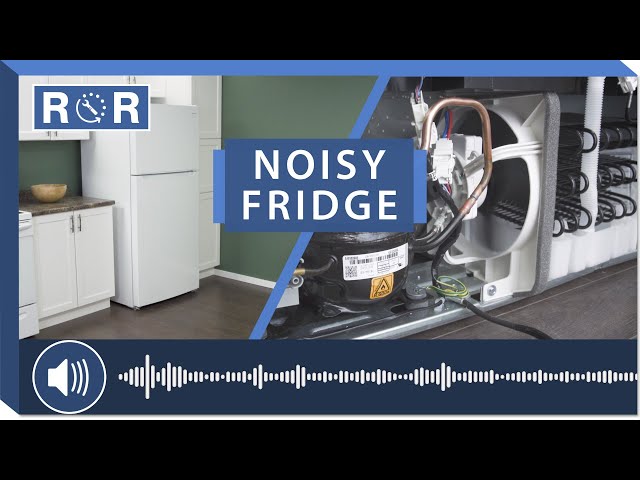
Youtube Video:
Quick Wiring Specifications & Terminal Guide
| Component / Circuit | Standard Wire Gauge | Recommended Protection |
|---|---|---|
| Control & Trigger Signals | 18 – 20 AWG | 5A – 7.5A Inline Fuse |
| Standard Auxiliary Load | 14 – 16 AWG | 15A – 20A Circuit Breaker |
| Main Power Feed / Supply | 10 – 12 AWG | 30A – 40A Heavy-Duty Relay |
Images References
Looking for more diagnostic guides? Explore our complete Refrigerator Problems 4 section for step-by-step troubleshooting solutions.
