
Introduction
Is your IFB washing machine shaking so much during the spin cycle that it feels like it’s about to take off? Excessive vibration isn’t just annoying; it can damage your machine, loosen connections, and even harm the floor around it. This problem often occurs when the machine is heavily loaded or during high-speed spin cycles. Addressing this issue promptly is important to prevent further damage and ensure the longevity of your washing machine. Don’t ignore the shaking let’s get it fixed!
💡 Technical Key Takeaways:
- Core Focus: Diagnostic schematic and terminal connection layout for Ifb Washing Machine Too Much Vibration.
- Target Scope: Field technicians, automotive DIYers, and residential/commercial electricians.
- Safety Rule: Always disconnect the primary power source/battery terminal and verify zero voltage with a multimeter before touching wires.
Common Causes of IFB Washing Machine Too Much Vibration
Here are some of the most frequent culprits behind a vibrating IFB washing machine:
- Unbalanced Load: Clothes bunched up on one side create an uneven weight distribution.
- Uneven Flooring: If the machine isn’t level, it will wobble.
- Shipping Bolts Not Removed: These bolts stabilize the drum during transport and must be removed before use.
- Worn Suspension Rods: These rods help absorb vibrations; when worn, they lose their effectiveness.
- Damaged Drum Bearings: Worn-out bearings can cause the drum to wobble and vibrate excessively.
- Weakened or Broken Springs: Similar to suspension rods, springs provide support and dampen vibrations.
- Object Stuck in Drum: Small items like coins or buttons can get lodged between the drum and the outer tub.
- Overloading the Machine: Exceeding the recommended load capacity can strain the machine’s components.
Symptoms Checklist
Does your IFB washing machine exhibit any of these signs?
- Violent shaking during spin cycle.
- Loud banging or thumping noises.
- Machine “walking” or moving from its original position.
- Excessive noise even when the drum is empty.
- Uneven water distribution within the drum.
How to Fix IFB Washing Machine Too Much Vibration Step-by-Step Guide
Follow these steps to troubleshoot and fix the vibration issue:
- Check the Load Balance: Stop the machine and redistribute the clothes evenly inside the drum. Make sure there are no large, heavy items on one side.
- Ensure Proper Leveling: Use a level to check if the machine is sitting evenly on the floor. Adjust the leveling feet at the bottom of the machine until it’s perfectly level.
- Verify Shipping Bolts Are Removed: Locate the back of the machine and check for any large bolts that were used for shipping. Remove them if they are still in place (refer to your owner’s manual).
- Inspect the Flooring: Ensure the floor is sturdy and doesn’t have soft spots. If necessary, reinforce the floor beneath the machine.
- Check the Suspension Rods: Open the top of the machine (consult your manual) and visually inspect the suspension rods. Look for any signs of wear, damage, or detachment.
- Listen for Bearing Noises: Manually spin the drum (when the machine is off). Listen for any grinding or rumbling noises, which could indicate worn drum bearings.
- Inspect the Springs: Similar to the suspension rods, check the springs for any breaks or signs of wear.
- Look for Obstructions: Check between the inner drum and the outer tub for any trapped objects like coins, socks, or buttons. You may need a flashlight and a flexible tool to reach these areas.
- Verify Water Supply: Ensure the water supply hoses are securely connected and not causing vibrations against the machine’s frame.
- Reduce Load Size: Avoid overloading the machine. Refer to your owner’s manual for the recommended load capacity.
- Run a Calibration Cycle (if available): Some IFB models have a calibration cycle. Consult your owner’s manual to see if your machine has this feature and how to use it.
- Clean the Drum: Mineral buildup can cause imbalance. Run an empty cycle with a washing machine cleaner.
- Inspect Motor Mounts: (If comfortable) Unplug the washer and locate the motor. Inspect how the motor is mounted to the chassis, look for loose or broken pieces.
Fix the Issue Without Buying Parts
Before considering replacements, try these free methods:
- Reset the Machine: Unplug the washing machine for 5-10 minutes, then plug it back in. This can sometimes reset the control panel and resolve minor issues.
- Run a Cleaning Cycle: Regular cleaning helps prevent mineral buildup and odors that can contribute to imbalance.
- Recalibrate: If your machine has a recalibration feature, use it to optimize performance.
- Visual Inspection: Regularly inspect all visible components for any signs of wear or damage.
- Proper Loading Habits: Avoid overloading and ensure balanced loads every time.
When Replacement Might Be Necessary
If the vibration persists after trying all the troubleshooting steps, some components may need replacement. Worn suspension rods, damaged drum bearings, and broken springs are common culprits. Replacement costs can range from $50 to $200 (USD), depending on the part and model. Drum bearing replacement is typically more expensive due to the labor involved.
Safety Warning
- Always unplug the washing machine before performing any maintenance or repairs.
- Avoid working on the machine if the floor is wet.
- Be careful when lifting or moving the machine; ask for assistance if needed.
- Consult a qualified technician if you are uncomfortable performing any of these steps.
Tools You May Need
- Level
- Adjustable wrench
- Screwdrivers (Phillips and flathead)
- Flashlight
- Gloves
FAQ
Here are some frequently asked questions:
- Q: Why does my washing machine vibrate only during the spin cycle? A: The high speed of the spin cycle exacerbates any imbalance or wear in the machine’s components.
- Q: Can overloading the machine cause permanent damage? A: Yes, overloading can strain the motor, suspension, and bearings, leading to premature failure.
- Q: How often should I clean my washing machine? A: It’s recommended to clean your washing machine at least once a month.
- Q: Is it safe to use vinegar to clean my washing machine? A: Yes, vinegar is a natural cleaner that can help remove mineral buildup and odors. Use it in an empty cycle.
Conclusion
Fixing a vibrating IFB washing machine can often be achieved with simple troubleshooting steps. By following this guide, you can identify the cause of the vibration and potentially resolve the issue yourself, saving time and money. If the problem persists after trying these solutions, it may be time to consult a qualified appliance technician. Remember to always prioritize safety when working with electrical appliances. Good luck!
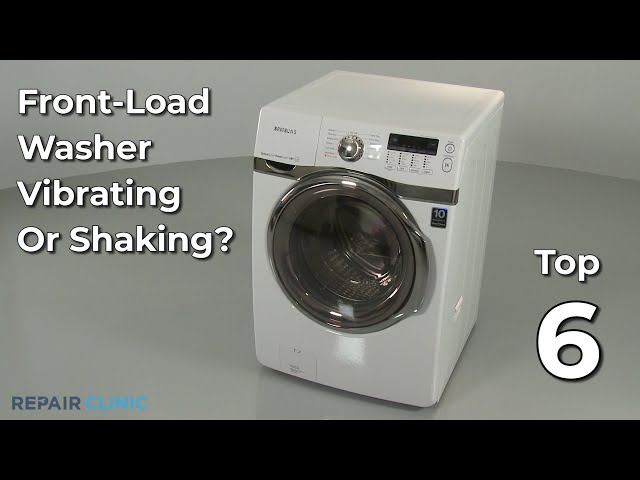
Youtube Video:
Quick Wiring Specifications & Terminal Guide
| Component / Circuit | Standard Wire Gauge | Recommended Protection |
|---|---|---|
| Control & Trigger Signals | 18 – 20 AWG | 5A – 7.5A Inline Fuse |
| Standard Auxiliary Load | 14 – 16 AWG | 15A – 20A Circuit Breaker |
| Main Power Feed / Supply | 10 – 12 AWG | 30A – 40A Heavy-Duty Relay |
Images References
Looking for more diagnostic guides? Explore our complete Washing Machine Problems 3 section for step-by-step troubleshooting solutions.
