
Introduction
Is your Hotpoint refrigerator turning into a freezer? Finding ice crystals on your lettuce or frozen milk is a clear sign that your fridge is running too cold. This is more than just an inconvenience; it can spoil your food, waste energy, and potentially damage your refrigerator. It’s a common issue, often happening after a power outage or when the temperature settings are accidentally adjusted. Addressing this promptly can save you money and prevent food spoilage.
💡 Technical Key Takeaways:
- Core Focus: Diagnostic schematic and terminal connection layout for Hotpoint Fridge Too Cold.
- Target Scope: Field technicians, automotive DIYers, and residential/commercial electricians.
- Safety Rule: Always disconnect the primary power source/battery terminal and verify zero voltage with a multimeter before touching wires.
Common Causes of Hotpoint Fridge Too Cold
Here are some common reasons why your Hotpoint refrigerator might be too cold:
- Incorrect Temperature Setting: The most common culprit! Someone may have accidentally lowered the temperature setting too much.
- Damper Control Problems: The damper controls the airflow between the freezer and the refrigerator. If it’s stuck open, too much cold air from the freezer can enter the fridge.
- Faulty Thermistor: The thermistor is a sensor that monitors the fridge’s temperature and communicates with the control board. If it’s malfunctioning, it might send inaccurate readings.
- Control Board Issues: The control board is the brain of your refrigerator. A malfunctioning control board can lead to incorrect temperature regulation.
- Cold Location: If your fridge is in a very cold garage or basement, it might struggle to maintain a normal temperature.
- Blocked Vents: Overpacking the fridge can block the vents that circulate cold air, leading to uneven cooling and some areas becoming too cold.
- Defrost System Malfunction: Although less direct, a faulty defrost system can lead to ice buildup, which can affect temperature regulation.
- Door Seal Problems: A damaged or loose door seal can allow cold air to escape, causing the fridge to overcompensate and cool too much.
Symptoms Checklist
Check if any of these apply to your situation:
- Food in the fridge is freezing.
- Ice crystals are forming on fruits and vegetables.
- Milk and other liquids are partially frozen.
- The refrigerator feels much colder than usual.
- You hear the refrigerator running almost constantly.
- The temperature setting on the control panel appears to be correct, but the fridge is still too cold.
How to Fix Hotpoint Fridge Too Cold Step-by-Step Guide
Here’s a step-by-step guide to help you troubleshoot and fix the issue:
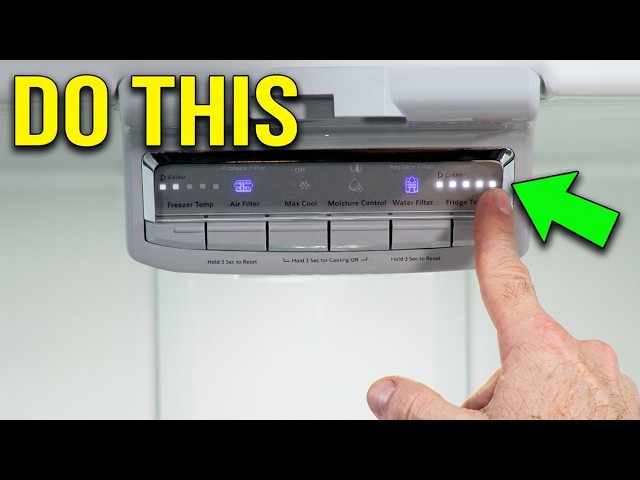
- Check the Temperature Setting: This is the easiest and most common fix. Locate the temperature control dial or panel inside your refrigerator (usually on the top or side wall). Make sure it’s set to the recommended temperature, typically between 37F (3C) and 40F (4C).
- Adjust the Temperature: If the setting is already within the recommended range, try increasing it slightly (making it warmer). Wait 24 hours to see if the temperature stabilizes.
- Check for Blocked Vents: Ensure that the vents inside the refrigerator, particularly those leading from the freezer, are not blocked by food items. Rearrange your groceries to allow for proper airflow.
- Inspect the Door Seal: Carefully examine the rubber seal around the refrigerator door. Look for any tears, cracks, or gaps. Close the door with a dollar bill partially inserted; you should feel resistance when pulling it out. If it slides out easily, the seal might need cleaning or replacement (we’ll address cleaning later).
- Check the Damper Control: The damper controls airflow from the freezer to the fridge. It’s often located in the top rear of the fridge compartment. Inspect it to see if it’s stuck open. You may need to refer to your refrigerator’s manual to locate and identify the damper. If it appears to be stuck, try gently moving it to see if it loosens.
- Unplug and Reset: Unplug the refrigerator from the power outlet for about 10 minutes. This can sometimes reset the control board and clear any minor glitches.
- Check the Thermistor (If Comfortable): The thermistor is usually located near the evaporator coils. Locating it might require removing a panel. If you are uncomfortable doing this, skip this step and consult a technician. With the fridge unplugged, visually inspect the thermistor for any damage.
- Clean the Door Seal: Use a mild detergent and warm water to clean the door seal. This removes any dirt or grime that might be preventing a proper seal. Dry the seal thoroughly after cleaning.
- Monitor the Refrigerator’s Location: If your refrigerator is in a garage or basement that gets very cold, consider moving it to a warmer location.
- Give it Time to Stabilize: After making any adjustments, allow the refrigerator 24-48 hours to stabilize at the new temperature. Don’t keep making constant adjustments, as this can disrupt the cooling cycle.
- Check for Ice Buildup (Indirectly): Excessive ice buildup in the freezer can indirectly affect fridge temperature. If you suspect this, check for frost and consider manually defrosting the freezer (unplugging it and letting the ice melt).
- Listen to the Motor: Is the compressor (the motor) running almost constantly? This could indicate a problem with the cooling system.
Fix the Issue Without Buying Parts
Before considering replacing parts, try these free methods:
- Reset: Unplug the fridge for 10 minutes to reset the control board.
- Cleaning: Clean the door seals to ensure a tight closure.
- Recalibration (If Available): Some Hotpoint fridges have a calibration option in the settings. Check your manual.
- Inspection Tips: Regularly inspect the vents and door seals.
- Maintenance Basics: Keep the condenser coils (usually on the back of the fridge) clean. Unplug the fridge and use a vacuum with a brush attachment to remove dust. This helps the fridge run more efficiently.
When Replacement Might Be Necessary
If you’ve tried all the troubleshooting steps and your Hotpoint refrigerator is still running too cold, a component might need replacing. Common culprits include the thermistor (estimated cost: $20-$50), the damper control assembly ($50-$100), or, in rare cases, the control board ($100-$300). A failing compressor could also cause this but is a very expensive repair, almost always better to replace the fridge. Before replacing any parts, it’s best to consult with a qualified appliance repair technician for an accurate diagnosis. A new Hotpoint refrigerator can cost anywhere from $500 to $2000, depending on the size and features.
Safety Warning
- Always unplug the refrigerator from the power outlet before performing any repairs.
- Avoid working on electrical components with wet hands or on a wet floor.
- If you’re uncomfortable working with electrical components, consult a qualified appliance repair technician.
- Be careful when moving the refrigerator to avoid injury.
Tools You May Need
Here’s a list of tools that might be helpful:
- Screwdrivers (Phillips and flathead)
- Multimeter (for testing electrical components – only if you’re comfortable using one)
- Vacuum cleaner with brush attachment
- Mild detergent
- Warm water
- Clean cloths
FAQ
Here are some frequently asked questions:
- Q: Why is my brand new Hotpoint fridge freezing food? A: Even new fridges can have temperature control issues. Check the temperature setting and ensure the vents aren’t blocked. If the problem persists, contact the manufacturer’s warranty service.
- Q: How do I know if my thermistor is bad? A: A multimeter can be used to test the thermistor’s resistance. If the resistance reading is significantly different from what’s specified in the refrigerator’s service manual, the thermistor may be faulty.
- Q: Can a dirty condenser cause my fridge to freeze food? A: While a dirty condenser primarily reduces cooling efficiency, it can indirectly affect temperature regulation, leading to overcooling in some cases.
- Q: What temperature should I set my Hotpoint fridge to? A: The ideal temperature range is between 37F (3C) and 40F (4C).
- Q: How long should I wait after adjusting the temperature to see results? A: Allow at least 24 hours, but preferably 48 hours, for the temperature to stabilize.
Conclusion
A Hotpoint refrigerator that’s too cold can be frustrating, but with a systematic approach, you can often resolve the issue yourself. Start with the simple fixes, like checking the temperature setting and airflow. If those don’t work, more in-depth troubleshooting may be needed. Remember safety first! If you’re not comfortable with any of these steps, don’t hesitate to call a qualified appliance repair technician. Saving money and fixing things yourself is empowering, but knowing when to call for help is just as important!
Youtube Video:
Quick Wiring Specifications & Terminal Guide
| Component / Circuit | Standard Wire Gauge | Recommended Protection |
|---|---|---|
| Control & Trigger Signals | 18 – 20 AWG | 5A – 7.5A Inline Fuse |
| Standard Auxiliary Load | 14 – 16 AWG | 15A – 20A Circuit Breaker |
| Main Power Feed / Supply | 10 – 12 AWG | 30A – 40A Heavy-Duty Relay |
Images References
Looking for more diagnostic guides? Explore our complete Refrigerator Problems 3 section for step-by-step troubleshooting solutions.
