
Introduction
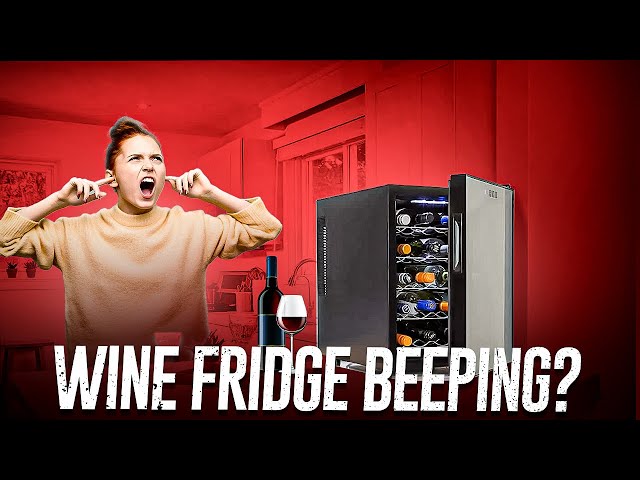
A beeping Haier wine cooler can be frustrating, especially when you’re trying to enjoy a perfectly chilled bottle. This persistent noise usually indicates that something isn’t quite right with your cooler’s operation. It’s often a warning sign related to temperature, door issues, or internal malfunctions. Addressing the beeping promptly is important to prevent potential wine spoilage and avoid further damage to your appliance. Let’s get to the bottom of this problem!
💡 Technical Key Takeaways:
- Core Focus: Diagnostic schematic and terminal connection layout for Haier Wine Cooler Beeping.
- Target Scope: Field technicians, automotive DIYers, and residential/commercial electricians.
- Safety Rule: Always disconnect the primary power source/battery terminal and verify zero voltage with a multimeter before touching wires.
Common Causes of Haier Wine Cooler Beeping
Here are some of the most frequent reasons why your Haier wine cooler might be beeping:
- Temperature Fluctuations: The most common cause. The temperature inside the cooler might be too high or too low compared to the set point.
- Door Ajar: If the door isn’t closed properly, the cooler will struggle to maintain the set temperature, triggering the alarm.
- Power Outage: A recent power outage could have disrupted the cooler’s operation, leading to temperature fluctuations and a beeping alarm.
- Overloading: Packing the cooler too tightly can restrict airflow, causing temperature imbalances and triggering the alarm.
- Faulty Temperature Sensor: A malfunctioning sensor can provide inaccurate temperature readings, leading to the beeping.
- Control Panel Issues: Problems with the control panel itself can sometimes cause false alarms.
- Condenser Coil Obstruction: Dust or debris buildup on the condenser coils can reduce efficiency and cause overheating.
- High Ambient Temperature: If the room where the cooler is located is excessively hot, the unit might struggle to maintain the desired temperature.
Symptoms Checklist
Use this checklist to accurately identify the problem:
- Is the beeping continuous or intermittent?
- Does the display show an error code? If so, write it down.
- Is the inside temperature of the cooler significantly different from the set temperature?
- Is the door sealing properly all the way around?
- Have you recently experienced a power outage?
- Is the wine cooler overly full?
- Have you recently cleaned the cooler?
How to Fix Haier Wine Cooler Beeping Step-by-Step Guide
Follow these steps to troubleshoot the beeping issue:
- Check the Door Seal: Make sure the door is completely closed and the seal is clean and intact. Wipe it down with a damp cloth. A poor seal allows warm air in.
- Verify the Temperature Setting: Ensure the temperature is set correctly for the type of wine you are storing. Consult your wine’s storage recommendations.
- Adjust the Load: If the cooler is overcrowded, remove some bottles to allow for better air circulation.
- Power Cycle the Cooler: Unplug the cooler from the power outlet, wait for 5-10 minutes, and then plug it back in. This can reset the system.
- Check the Ventilation: Make sure the back and sides of the cooler have adequate ventilation. Keep it away from direct sunlight and heat sources.
- Clean the Condenser Coils: Locate the condenser coils (usually on the back of the unit) and carefully clean them with a vacuum cleaner or brush. Dust buildup reduces efficiency.
- Defrost the Cooler (if applicable): Some models require manual defrosting. If ice has built up excessively inside, defrost the unit according to the manufacturer’s instructions.
- Check for Error Codes: If the display shows an error code, consult your owner’s manual or search online for the specific code and its meaning.
- Inspect the Temperature Sensor (Visual): If you are comfortable, carefully unplug the unit and visually inspect the temperature sensor (usually located inside the cooler). Look for any signs of damage or loose connections.
- Check the Ambient Temperature: Ensure that the room temperature is within the cooler’s recommended operating range (usually between 60-80F or 16-27C).
- Listen for the Compressor: After plugging the cooler back in, listen to see if the compressor is running. If it’s not, the cooler might not be cooling properly.
- Check the Control Panel: Ensure that the buttons on the control panel are not stuck or damaged.
- Consult the User Manual: Your user manual might have specific troubleshooting steps for beeping issues.
Fix the Issue Without Buying Parts
Before considering replacement parts, try these free methods:
- Reset: The power cycling method is a simple reset.
- Cleaning: Regularly clean the door seal and condenser coils to maintain efficiency.
- Recalibration (If Possible): Some advanced models allow you to recalibrate the temperature sensor. Check your user manual.
- Inspection Tips: Carefully inspect the door seal for gaps or tears. Inspect the ventilation around the unit.
- Maintenance Basics: Proper ventilation, regular cleaning, and avoiding overloading are essential for maintaining optimal performance.
When Replacement Might Be Necessary
If the beeping persists after trying the above steps, a component might have failed. Common parts that fail include the temperature sensor (estimated cost: $20-$50), the control panel (estimated cost: $50-$150), or the compressor (professional repair recommended; cost: $200 – $500+). Replacing the compressor is usually not cost-effective. Consider replacement of the unit if it is more than 5 years old and the repair cost is high. For more related activities, check out our Ge Profile Refrigerator Thermostat Problems.
Safety Warning
- Always unplug the wine cooler before attempting any repairs or cleaning.
- Avoid working on the cooler with wet hands or on a wet floor.
- If you are not comfortable performing any of these steps, contact a qualified appliance technician.
- Do not attempt to repair or replace the compressor yourself. This requires specialized knowledge and equipment.
Tools You May Need
- Screwdriver (Phillips head)
- Vacuum cleaner with brush attachment
- Damp cloth
- Soft brush
FAQ
Here are some frequently asked questions about Haier wine cooler beeping:
- Q: Why is my wine cooler beeping even though the temperature seems fine? A: The temperature sensor might be faulty, providing incorrect readings. Try power cycling the cooler.
- Q: How do I stop the beeping sound? A: Address the underlying cause of the beeping, such as temperature fluctuations or a door ajar. Power cycling may temporarily silence it.
- Q: Is it safe to store wine in a beeping wine cooler? A: No, if the cooler is not maintaining the correct temperature, your wine could spoil. Address the issue immediately.
- Q: My wine cooler is beeping and displaying an error code. What should I do? A: Consult your owner’s manual or search online for the error code to understand its meaning and recommended solutions.
- Q: How often should I clean the condenser coils? A: Ideally, clean the condenser coils every 6 months to ensure optimal performance.
Conclusion
A beeping Haier wine cooler can be a nuisance, but with a systematic approach, you can often identify and resolve the issue yourself. Remember to prioritize safety and consult your owner’s manual for specific instructions. Try the DIY troubleshooting steps first and if the problem persists, don’t hesitate to contact a qualified appliance technician for professional assistance. Good luck, and cheers to perfectly chilled wine!
Youtube Video:
Quick Wiring Specifications & Terminal Guide
| Component / Circuit | Standard Wire Gauge | Recommended Protection |
|---|---|---|
| Control & Trigger Signals | 18 – 20 AWG | 5A – 7.5A Inline Fuse |
| Standard Auxiliary Load | 14 – 16 AWG | 15A – 20A Circuit Breaker |
| Main Power Feed / Supply | 10 – 12 AWG | 30A – 40A Heavy-Duty Relay |
Images References
Looking for more diagnostic guides? Explore our complete Refrigerator Problems 3 section for step-by-step troubleshooting solutions.
