
Introduction
Is your GE refrigerator dispensing cubes when you select crushed ice? Or perhaps nothing at all is coming out? A malfunctioning ice crusher can be a real inconvenience, especially during hot weather or when entertaining. Often, the problem is a simple fix and doesn’t require calling a repair technician right away. This guide will walk you through troubleshooting steps to help you get your ice crusher working again quickly.
💡 Technical Key Takeaways:
- Core Focus: Diagnostic schematic and terminal connection layout for Ge Refrigerator Ice Crusher Not Working.
- Target Scope: Field technicians, automotive DIYers, and residential/commercial electricians.
- Safety Rule: Always disconnect the primary power source/battery terminal and verify zero voltage with a multimeter before touching wires.
Common Causes of GE Refrigerator Ice Crusher Not Working
Here are some of the most frequent reasons why your GE ice crusher might not be working:
- Ice Jam: Ice can clump together and block the crusher blades.
- Empty Ice Bin: Sounds obvious, but sometimes the ice bin is simply empty!
- Incorrect Mode Selection: Make sure you’ve actually selected the “crushed ice” setting.
- Frozen Auger: The auger, which pushes the ice to the crusher, may be frozen solid.
- Faulty Crusher Motor: The motor that powers the crusher blades could be defective.
- Broken Crusher Blades: The blades themselves could be damaged or broken.
- Ice Bin Sensor Issues: Some refrigerators have sensors that prevent crushing if the ice bin isn’t properly in place.
- Dispenser Switch Problems: The switch that activates the ice dispenser might be malfunctioning.
- Control Board Malfunction: A problem with the refrigerator’s control board could prevent the ice crusher from working.
- Water Supply Issues: No water supply means no ice production, and therefore, no crushed ice.
Symptoms Checklist
Use this checklist to pinpoint your issue:
- No ice is dispensed in either cube or crushed mode.
- Only cubes are dispensed, even when “crushed” is selected.
- You hear a humming sound but no ice is dispensed.
- The dispenser makes a grinding noise but no ice comes out.
- The dispenser is completely silent when attempting to dispense crushed ice.
- The ice bin seems frozen solid.
- The dispenser works intermittently.
How to Fix GE Refrigerator Ice Crusher Not Working Step-by-Step Guide
Follow these steps to troubleshoot your ice crusher:
- Unplug the Refrigerator: For safety, always unplug the refrigerator before working on it.
- Check the Ice Bin: Ensure the ice bin is properly seated and not overflowing. Remove it completely and inspect for ice jams.
- Break Up Ice Clumps: If there are large clumps of ice, break them up with a plastic utensil (avoid metal to prevent damage).
- Inspect the Auger: With the ice bin removed, look at the auger (the spiral-shaped part). Is it frozen or obstructed?
- Thaw a Frozen Auger: If the auger is frozen, use a hairdryer (on a low setting) to gently thaw it. Alternatively, leave the refrigerator off for a few hours with the ice bin removed.
- Check the Crusher Blades: Inspect the crusher blades for any visible damage or obstructions. Remove any debris carefully.
- Ensure Proper Mode Selection: Double-check that you have selected the “crushed ice” option on the dispenser panel.
- Check the Water Supply: Ensure the water supply to your refrigerator is turned on and the water line isn’t kinked or frozen.
- Listen for the Motor: When selecting crushed ice, listen carefully for the sound of the crusher motor. If you hear nothing, the motor could be faulty (though other issues are more likely).
- Check the Dispenser Switch: Press the dispenser lever. Does it feel normal? If it feels loose or stuck, the switch might be the problem.
- Reset the Refrigerator: Sometimes, a simple reset can resolve the issue. Unplug the refrigerator for 5-10 minutes, then plug it back in.
- Clean the Ice Bin Area: Over time, ice dust and debris can accumulate and hinder the crusher’s operation. Clean the ice bin area thoroughly with a damp cloth.
- Test the Dispenser with Cubes: See if the cube dispenser works. If it does, this isolates the problem more specifically to the crushing mechanism.
- Consult Your Owner’s Manual: Your owner’s manual may have specific troubleshooting tips for your model.
Fix the Issue Without Buying Parts
Many ice crusher problems can be resolved without needing new parts:
- Reset: As mentioned, unplugging the refrigerator for a few minutes is often enough to clear minor glitches.
- Cleaning: Regularly cleaning the ice bin area prevents ice jams and debris buildup.
- Inspection: Visually inspect the ice bin, auger, and crusher blades for obstructions or damage.
- Proper Ice Storage: Avoid storing food directly in front of the ice dispenser, as it can restrict airflow and cause ice to freeze together.
When Replacement Might Be Necessary
If you’ve tried all the troubleshooting steps and your ice crusher still isn’t working, you might need to replace a part. Commonly failing parts include:
- Crusher Motor: If the motor is completely silent and you’ve ruled out other issues, it’s likely the culprit. Expect to pay between $50-$150 for a replacement motor, plus labor if you hire a technician.
- Crusher Blades: If the blades are visibly damaged or worn, they’ll need replacing. This is a relatively inexpensive part, costing around $20-$50.
- Dispenser Switch: A faulty switch will prevent the dispenser from activating. Replacements typically cost $15-$40.
Safety Warning
Follow these safety precautions:
- Always unplug the refrigerator before working on it.
- Avoid working on electrical components while standing on a wet floor.
- Be careful when handling sharp components like the crusher blades.
- If you’re not comfortable working on electrical appliances, consult a qualified technician.
Tools You May Need
Here’s a basic list of tools you might find helpful:
- Screwdrivers (Phillips and flathead)
- Pliers
- Hairdryer (for thawing ice)
- Damp cloth
- Plastic utensils (for breaking up ice)
FAQ
Here are some frequently asked questions about ice crusher problems:
-
Q: Why is my ice crusher dispensing cubes instead of crushed ice?
A: Double-check that you have selected the “crushed ice” setting. If you have, the problem could be a faulty diverter or control board. -
Q: My ice crusher makes a loud grinding noise but doesn’t dispense ice. What’s wrong?
A: This usually indicates that the crusher blades are jammed or damaged. Inspect the blades and remove any obstructions. -
Q: How do I prevent ice from clumping together in the ice bin?
A: Avoid storing food directly in front of the ice dispenser, as this can restrict airflow and cause ice to melt and refreeze. -
Q: Is it normal for the ice crusher to be noisy?
A: Ice crushers are inherently noisy, but excessive grinding or unusual sounds could indicate a problem. -
Q: My ice dispenser is completely dead. Where do I start?
A: Start by checking the power supply and the dispenser switch. If those are okay, the problem could be the motor or the control board.
Conclusion
Troubleshooting a GE refrigerator ice crusher that isn’t working can seem daunting, but by following these steps, you can often identify and resolve the problem yourself. Before calling a technician, take the time to carefully inspect the ice bin, auger, and crusher blades for any obvious issues. With a little patience and these instructions, you’ll hopefully be enjoying perfectly crushed ice again in no time!
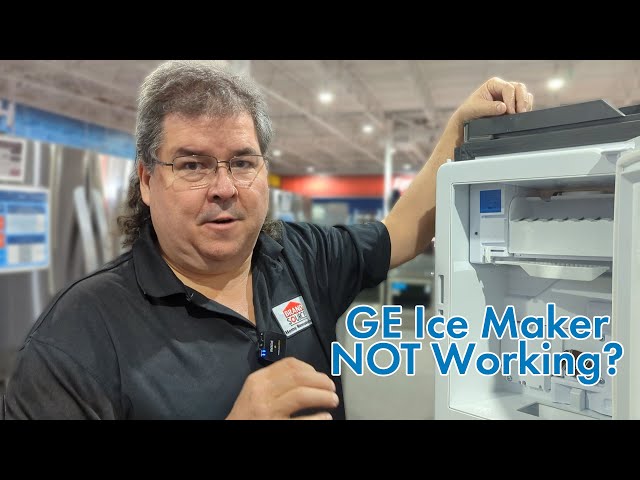
Youtube Video:
Quick Wiring Specifications & Terminal Guide
| Component / Circuit | Standard Wire Gauge | Recommended Protection |
|---|---|---|
| Control & Trigger Signals | 18 – 20 AWG | 5A – 7.5A Inline Fuse |
| Standard Auxiliary Load | 14 – 16 AWG | 15A – 20A Circuit Breaker |
| Main Power Feed / Supply | 10 – 12 AWG | 30A – 40A Heavy-Duty Relay |
Images References
Looking for more diagnostic guides? Explore our complete Refrigerator Problems 3 section for step-by-step troubleshooting solutions.
