
Introduction
A gurgling noise coming from your GE Monogram refrigerator can be alarming and usually indicates that something isn’t quite right with its cooling system. While it might sound harmless, ignoring this noise could lead to reduced cooling efficiency, spoiled food, and eventually, more costly repairs. This guide will walk you through the common causes of this noise and provide simple, step-by-step instructions to troubleshoot the issue at home before calling a professional.
💡 Technical Key Takeaways:
- Core Focus: Diagnostic schematic and terminal connection layout for Ge Monogram Refrigerator Making Gurgling Noise.
- Target Scope: Field technicians, automotive DIYers, and residential/commercial electricians.
- Safety Rule: Always disconnect the primary power source/battery terminal and verify zero voltage with a multimeter before touching wires.
Common Causes of GE Monogram Refrigerator Making Gurgling Noise
Here are some of the most frequent reasons why your GE Monogram refrigerator might be making a gurgling sound:. For more related activities, check out our Haier Fridge Leaking.
- Refrigerant Leaks: A low refrigerant level can cause the system to struggle, leading to gurgling sounds.
- Air in the Coolant Lines: Air trapped within the refrigerant lines creates noise as it moves through the system.
- Icemaker Issues: Problems with the icemaker’s water fill valve or water line can produce gurgling sounds.
- Defrost Cycle: The normal defrost cycle can sometimes produce gurgling as ice melts and water drains.
- Drain Line Blockage: A clogged drain line can cause water to back up and gurgle as it struggles to drain.
- Water Filter Issues: An improperly installed or clogged water filter can restrict water flow, causing gurgling.
- Condenser Fan Problems: A malfunctioning condenser fan can impact cooling and create unusual noises.
- Evaporator Fan Motor Issues: Ice buildup around the evaporator fan in the freezer can cause noises, sometimes described as gurgling.
Symptoms Checklist
Check for these signs to pinpoint the problem accurately:
- Gurgling sound coming from the back or bottom of the refrigerator.
- Reduced cooling performance in the refrigerator or freezer.
- Water pooling inside the refrigerator or under it.
- Icemaker not producing ice, or producing less ice than usual.
- Unusual ice buildup in the freezer.
- The refrigerator runs more frequently than usual.
How to Fix GE Monogram Refrigerator Making Gurgling Noise Step-by-Step Guide
Follow these steps to diagnose and potentially fix the gurgling noise:
- Unplug the Refrigerator: For safety, always unplug the refrigerator before starting any troubleshooting.
- Check the Water Filter: Remove the water filter (refer to your owners manual for location and removal instructions) and inspect it for clogs or damage. If it’s old or clogged, replace it with a new one.
- Inspect the Icemaker: Check the icemaker for ice buildup or blockages. Remove any visible ice manually.
- Examine the Water Line: Look for kinks or obstructions in the water line running to the icemaker. Straighten any kinks and ensure the line is securely connected.
- Locate the Drain Pan: Find the drain pan, usually located at the bottom of the refrigerator or near the compressor at the back.
- Check the Drain Line: Find the drain line that leads into the drain pan. Use a turkey baster or a small hose to flush the drain line with warm water to clear any blockages.
- Clean the Drain Pan: Remove the drain pan and empty any water. Clean the pan with warm, soapy water and rinse thoroughly before replacing it.
- Inspect the Condenser Coils: Locate the condenser coils (usually on the back or bottom of the refrigerator). Use a vacuum cleaner with a brush attachment to clean the coils, removing dust and debris.
- Listen to the Fans: Plug the refrigerator back in and listen for the condenser fan (at the back) and the evaporator fan (inside the freezer). Make sure they are running smoothly and not making any unusual noises. If a fan is noisy or not running, it may need replacement by a qualified technician.
- Check Door Seals: Ensure the refrigerator and freezer doors are sealing properly. Run a piece of paper around the edges of the door; it should feel snug. If the seals are loose or damaged, they may need to be replaced.
- Defrost the Refrigerator (If Needed): If you suspect ice buildup is causing the issue, manually defrost the refrigerator and freezer. Unplug the refrigerator and leave the doors open for 24 hours, or until all ice has melted.
- Listen for the Noise After Defrosting: Plug the refrigerator back in and wait for it to cool down. Listen to see if the gurgling noise has stopped.
- Monitor the Refrigerators Performance: After completing these steps, monitor the refrigerator’s temperature and ice production to ensure it is functioning correctly.
Fix the Issue Without Buying Parts
Often, the gurgling noise can be resolved without immediately resorting to part replacements. Try these free methods first:
- Reset the Refrigerator: Unplug the refrigerator for 5-10 minutes, then plug it back in. This can sometimes reset the system and resolve minor issues.
- Clean Regularly: Regularly clean the interior and exterior of the refrigerator, including the door seals and condenser coils, to prevent buildup that can cause problems.
- Inspect for Airflow Obstructions: Ensure items inside the refrigerator aren’t blocking vents and restricting airflow.
- Check Temperature Settings: Make sure the temperature settings are appropriate for your climate and the amount of food stored.
When Replacement Might Be Necessary
If the gurgling noise persists after trying the above steps, it may indicate a more serious issue, such as a refrigerant leak or a failing compressor. In such cases, consider contacting a qualified appliance repair technician. Refrigerant leaks require professional repair, and a compressor replacement can be costly (typically $500-$1000+ in USD, including labor). Common parts that fail and might require replacement include the water filter, water inlet valve, drain pump, or fans.
Safety Warning
- Always unplug the refrigerator before performing any maintenance or troubleshooting.
- Avoid working on electrical components while standing on a wet floor.
- Use caution when handling sharp objects or tools.
- If you are uncomfortable performing any of these steps, contact a qualified appliance repair technician.
Tools You May Need
- Screwdriver (Phillips and flathead)
- Vacuum cleaner with brush attachment
- Turkey baster or small hose
- Warm water
- Soap
- Bucket or container for water
FAQ
- Q: How often should I change my refrigerator’s water filter? A: Generally, every 6 months, or as indicated by your refrigerator’s filter change indicator.
- Q: Why is my refrigerator still gurgling after I cleaned the drain line? A: The gurgling could be caused by air in the refrigerant lines, which may require professional attention.
- Q: Can a dirty condenser coil cause a gurgling noise? A: Yes, a dirty condenser coil can cause the compressor to work harder and potentially create unusual noises.
- Q: What temperature should my refrigerator and freezer be set to? A: The refrigerator should be set to around 37-40F (3-4C) and the freezer to 0F (-18C).
Conclusion
Addressing a gurgling noise coming from your GE Monogram refrigerator can often be achieved through simple troubleshooting steps. By following this guide, you can identify the potential cause and implement easy fixes. Remember, safety is paramount, and if you’re unsure about any step, it’s best to contact a qualified appliance repair technician for assistance. Start with these DIY fixes, and you might just save yourself a costly service call!
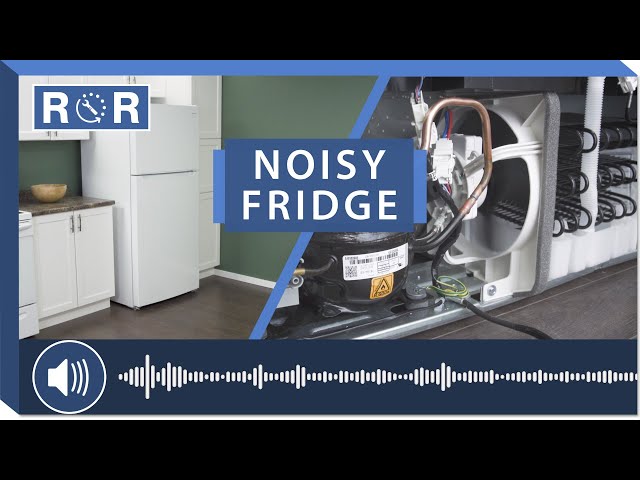
Youtube Video:
Quick Wiring Specifications & Terminal Guide
| Component / Circuit | Standard Wire Gauge | Recommended Protection |
|---|---|---|
| Control & Trigger Signals | 18 – 20 AWG | 5A – 7.5A Inline Fuse |
| Standard Auxiliary Load | 14 – 16 AWG | 15A – 20A Circuit Breaker |
| Main Power Feed / Supply | 10 – 12 AWG | 30A – 40A Heavy-Duty Relay |
Images References
Looking for more diagnostic guides? Explore our complete Refrigerator Problems 3 section for step-by-step troubleshooting solutions.
