
Introduction
Discovering that your front load washing machine fills with water but then just sits there can be incredibly frustrating. It means your laundry isn’t getting cleaned, and you’re left with a tub full of water and clothes! This problem can arise suddenly, often when you’re relying on a quick wash cycle. Fixing it promptly prevents water damage and gets you back to your laundry routine.
💡 Technical Key Takeaways:
- Core Focus: Diagnostic schematic and terminal connection layout for Front Load Washing Machine Fills With Water Then Does Nothing.
- Target Scope: Field technicians, automotive DIYers, and residential/commercial electricians.
- Safety Rule: Always disconnect the primary power source/battery terminal and verify zero voltage with a multimeter before touching wires.
Common Causes of front load washing machine fills with water then does nothing
- Door Latch Problems: The washing machine needs to know the door is securely closed to start. A faulty latch can prevent the cycle from beginning.
- Overloading: Too many clothes can strain the motor and prevent the wash cycle from starting.
- Blocked Drain Hose: If the machine senses it can’t drain properly, it may not start the wash cycle.
- Clogged Drain Pump Filter: A clogged filter can block water flow and prevent the motor from starting.
- Motor Issues: The motor might be faulty or have a worn-out carbon brush (on older models).
- Drive Belt Problems: The belt connecting the motor to the drum might be broken or slipped off.
- Control Panel Malfunction: The electronic control panel manages all the machine’s functions, and if it’s malfunctioning, it can prevent the cycle from starting.
- Pressure Switch Issues: This switch monitors the water level. If it’s faulty, it can prevent the cycle from starting.
Symptoms Checklist
- Washing machine fills with water, but the drum doesn’t rotate.
- The control panel lights up, but the cycle doesn’t progress beyond filling.
- You might hear a humming sound, but the drum remains still.
- Error codes displayed on the control panel related to motor or drain issues.
- The door locks, but nothing happens after the water fills.
How to Fix front load washing machine fills with water then does nothing Step-by-Step Guide
- Check the Door Latch: Make sure the door is fully closed and latched. Try opening and closing it firmly.
- Unplug the Washing Machine: Disconnect the power cord from the outlet for at least 5 minutes. This can sometimes reset the control panel.
- Check for Overloading: Reduce the load size. Overloading strains the motor.
- Inspect the Drain Hose: Make sure the drain hose is not kinked or blocked. Remove any visible obstructions.
- Clean the Drain Pump Filter: Locate the drain pump filter (usually at the bottom front of the machine behind a small access panel). Remove it, clean it thoroughly, and replace it.
- Check the Drive Belt (If you’re comfortable opening the machine): Unplug the washer. Access the drive belt (usually at the back of the machine). Check if it’s broken or loose. If it’s broken, it will need replacement. If it’s loose, try to reposition it. (Warning: This step requires some mechanical skill. If unsure, consult a professional.)
- Inspect the Motor (If you’re comfortable opening the machine): Visually inspect the motor for any signs of damage. If the motor has carbon brushes, inspect them for wear. (Warning: This step requires some electrical/mechanical skill. If unsure, consult a professional.)
- Check Water Inlet Valves: Make sure the water inlet valves are fully open. Sometimes low water pressure can cause problems.
- Run a Calibration Cycle (If Available): Some washing machines have a calibration cycle. Check your owner’s manual for instructions on how to run it.
- Look for Error Codes: Consult your owner’s manual to decipher the error code and identify the related issue.
- Check the Pressure Switch Hose: Locate the pressure switch (usually near the top of the machine). Check the hose connecting it to the tub for kinks or clogs.
- Test the Water Level Sensor: Some water level sensors can be tested with a multimeter. This step might be complex and it’s advisable to call a technician.
- Ensure Proper Voltage: Make sure the washing machine is plugged into a properly grounded outlet with the correct voltage.
Fix the Issue Without Buying Parts
Often, you can resolve the issue without immediately replacing parts:
- Reset the Machine: Unplug the washer for 5 minutes to reset the electronic controls.
- Clean the Drain Pump Filter: Regularly cleaning this filter prevents clogs.
- Check and Clear Hoses: Ensure drain and inlet hoses aren’t kinked or blocked.
- Level the Washing Machine: Uneven machines can cause problems. Adjust the leveling feet.
- Avoid Overloading: Stick to recommended load sizes.
When Replacement Might Be Necessary
If troubleshooting steps don’t resolve the issue, component replacement might be necessary. Common failing parts include:
- Motor: $150$300
- Control Panel: $200$400
- Drain Pump: $50$150
- Drive Belt: $20$50
- Door Latch: $30-$70
If multiple components need replacement or the machine is old, consider the overall cost effectiveness of repair versus replacement. For more related activities, check out our Frigidaire Affinity Washer Spin Cycle Not Working.
Safety Warning
- Always unplug the washing machine before attempting any repairs.
- Avoid working with electrical components if you’re not comfortable. Consult a qualified technician.
- Be careful when handling water to prevent slips and falls. Wipe up any spills immediately.
- Never stick your hands into the machine while it’s plugged in.
Tools You May Need
- Screwdrivers (Phillips and flathead)
- Pliers
- Wrench set
- Multimeter (for testing electrical components – optional)
- Gloves
- Towel or bucket (for catching water)
FAQ
Q: Why is my washing machine humming but not starting?
A: This could indicate a problem with the motor, drive belt, or something blocking the drum.
Q: How do I reset my front load washing machine?
A: Unplug the machine for 5 minutes. This often resets the electronic controls.
Q: What does it mean when my washing machine displays an error code?
A: Consult your owner’s manual to identify the error code and its corresponding issue.
Q: Is it safe to open the washing machine while it’s full of water?
A: No, it’s not safe. Unplug the machine first and try to drain the water before opening it.
Conclusion
Troubleshooting a front load washing machine that fills with water but doesn’t start the wash cycle can seem daunting, but with a systematic approach, many issues can be resolved without needing a professional. Take your time, follow these steps carefully, and always prioritize safety. If you’re uncomfortable with any step or if the problem persists, don’t hesitate to call a qualified appliance technician.
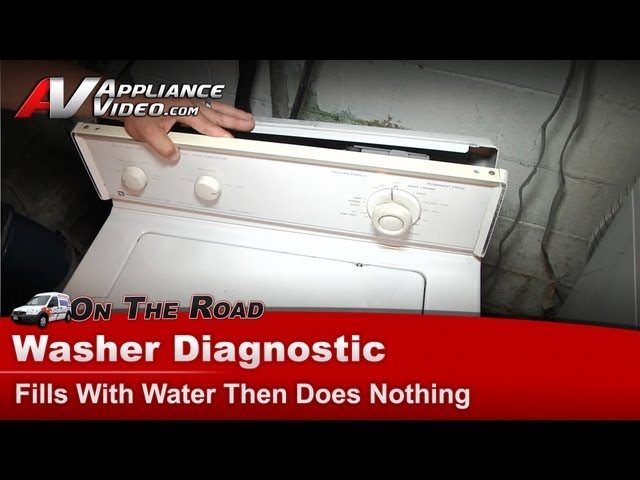
Youtube Video:
Quick Wiring Specifications & Terminal Guide
| Component / Circuit | Standard Wire Gauge | Recommended Protection |
|---|---|---|
| Control & Trigger Signals | 18 – 20 AWG | 5A – 7.5A Inline Fuse |
| Standard Auxiliary Load | 14 – 16 AWG | 15A – 20A Circuit Breaker |
| Main Power Feed / Supply | 10 – 12 AWG | 30A – 40A Heavy-Duty Relay |
Images References
Looking for more diagnostic guides? Explore our complete Washing Machine Problems 2 section for step-by-step troubleshooting solutions.
