
Introduction
A loud banging or thumping sound coming from your front load washing machine during the spin cycle can be quite alarming. This usually indicates a problem that needs immediate attention. Ignoring it can lead to further damage to your washer, or even damage to the surrounding area. The banging is usually caused by an imbalance or a problem with the washer’s components that stabilize it during the high-speed spin. It’s more common when washing bulky items like blankets or comforters, but it can also happen with regular loads if other underlying issues exist. Addressing this quickly can save you from expensive repairs and extend the life of your appliance.
💡 Technical Key Takeaways:
- Core Focus: Diagnostic schematic and terminal connection layout for Front Load Washer Bangs When Spinning.
- Target Scope: Field technicians, automotive DIYers, and residential/commercial electricians.
- Safety Rule: Always disconnect the primary power source/battery terminal and verify zero voltage with a multimeter before touching wires.
Common Causes of Front Load Washer Bangs When Spinning
Here are several common reasons why your front load washer might be banging during the spin cycle:
- Unbalanced Load: Clothes clumped together on one side of the drum create an uneven weight distribution.
- Overloading: Putting too many items in the washer at once can prevent proper balancing.
- Uneven Floor: If the washer isn’t level, the vibrations during the spin cycle will be amplified.
- Shipping Bolts Not Removed: These bolts are used to secure the drum during transport and MUST be removed before use.
- Worn Suspension Rods/Struts: These rods absorb vibrations. If they are worn, they won’t dampen the movement effectively.
- Damaged Drum Bearings: Worn bearings can cause the drum to wobble and bang during high-speed spins.
- Loose or Broken Counterweight: Counterweights help stabilize the drum. If one is loose or broken, it can cause significant imbalance.
- Objects Stuck in the Drum: Small items like coins, buttons, or bra wires can get lodged between the drum and the outer tub, causing a banging noise.
Symptoms Checklist
Check these indicators to help identify the cause:
- Loud banging or thumping noise during the spin cycle.
- The washer vibrates excessively or moves around the room.
- The washer stops mid-cycle with an error message.
- You see visible damage to the washer’s exterior or internal components.
- Clothes come out of the wash unusually wet.
- A burning smell emanating from the machine.
How to Fix Front Load Washer Bangs When Spinning Step-by-Step Guide
Follow these steps to troubleshoot and potentially fix the issue:
- Stop the Washer: Immediately stop the washer if it’s banging.
- Redistribute the Load: Open the washer and manually redistribute the clothes to ensure an even balance.
- Reduce the Load Size: If the washer was overloaded, remove some items.
- Check for Levelness: Use a level to check if the washer is sitting level on the floor. Adjust the legs until it is.
- Tighten the Legs: Once level, make sure the leveling legs are securely tightened to prevent movement.
- Inspect for Shipping Bolts: Locate and remove any shipping bolts that were not removed during installation. These are usually found at the back of the machine.
- Examine the Drum: Rotate the drum manually and listen for any unusual noises or obstructions.
- Check the Drain Pump: Clear any debris from the drain pump filter (usually located at the bottom front of the washer). Small objects can get lodged here and cause imbalance. (Always unplug before doing this)
- Inspect Suspension Rods (Advanced): Unplug the washer. You might need to remove the top or back panel to access the suspension rods. Look for signs of wear, damage, or detachment. If they look visibly broken, you may need to consider replacement.
- Inspect the Counterweight (Advanced): Unplug the washer. Again, access will require panel removal. Ensure the counterweight is securely attached to the drum assembly and is not cracked or broken.
- Run an Empty Wash Cycle: After making adjustments, run an empty wash cycle to see if the banging persists.
- Observe the Spin Cycle: Closely watch the washer during the spin cycle to pinpoint the source of the noise or vibration.
- Consult the User Manual: Review your washer’s user manual for specific troubleshooting tips or error code explanations.
- Call Support : If the manual indicates a more serious issue, contact official support.
Fix the Issue Without Buying Parts
Sometimes, you can resolve the banging issue without needing to replace any parts:
- Reset the Washer: Unplug the washer for 5-10 minutes, then plug it back in. This can reset the internal computer and resolve some error conditions.
- Clean the Washer: Run a cleaning cycle with a washing machine cleaner to remove buildup and residue that can cause imbalance.
- Recalibrate the Washer (if applicable): Some washers have a calibration mode that can help reset the balance sensor. Check your user manual.
- Inspection Tips: Regularly check the floor for levelness and re-tighten the leveling legs as needed.
- Maintenance Basics: Always use the correct amount of detergent, avoid overloading the washer, and clean the door seal regularly to prevent mold buildup.
When Replacement Might Be Necessary
If the banging persists after trying all the troubleshooting steps above, and especially if you’ve identified damaged suspension rods or drum bearings, replacement may be necessary. Replacing suspension rods typically costs between $50-$150 for the parts and potentially labor if you’re not comfortable doing it yourself. Replacing drum bearings is a more complex and expensive repair, potentially costing $200-$400 or more. Commonly failing parts include suspension rods/struts, drum bearings, and the counterweight.
Safety Warning
- Always unplug the washing machine from the power outlet before attempting any repairs or inspections.
- Be careful when moving or tilting the washing machine, as it can be heavy and cause injury.
- Avoid working on wet floors to prevent electric shock.
- If you’re not comfortable with electrical or mechanical repairs, consult a qualified appliance repair technician.
Tools You May Need
- Level
- Adjustable wrench
- Screwdrivers (Phillips and flathead)
- Pliers
- Gloves
- Flashlight
FAQ
Here are some frequently asked questions about washing machine banging:
- Q: Why is my new washer banging? A: It’s possible the shipping bolts weren’t removed or the washer isn’t level. Double-check these first.
- Q: Can I still use my washer if it’s banging? A: It’s not recommended. Continuing to use it can cause further damage and potentially dangerous situations.
- Q: How do I know if the suspension rods are bad? A: Visually inspect them for signs of wear, damage, or detachment. The drum may also bounce excessively when you push down on it.
- Q: What is the cleaning cycle for on my washer? A: The cleaning cycle is designed to remove detergent buildup, mold, and other residue that can contribute to imbalance and odors. Use it regularly as described in your manual.
- Q: How can I prevent my washer from banging in the future? A: Avoid overloading the washer, distribute clothes evenly, ensure the washer is level, and perform regular maintenance.
Conclusion
A banging front load washer can be a frustrating problem, but often you can troubleshoot and fix it yourself with a little patience and effort. By following these steps, you can identify the cause of the banging and take the appropriate action. Start with the simplest solutions, like redistributing the load and checking for levelness. If the problem persists, don’t hesitate to consult your user manual or contact a qualified technician. Addressing the issue promptly will help prevent further damage and keep your washing machine running smoothly. Always prioritize your safety and when in doubt, call a professional.
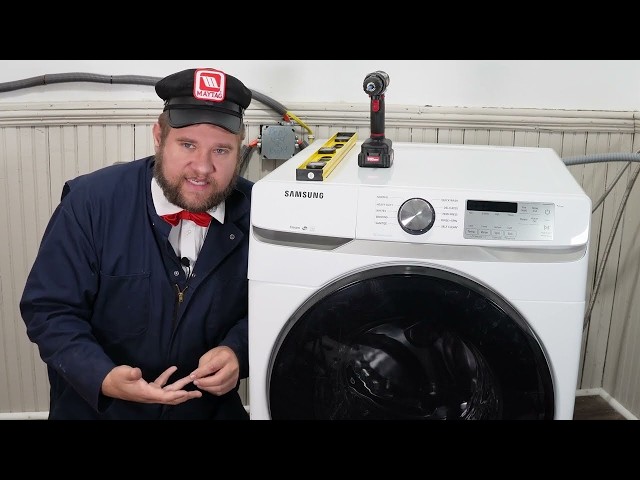
Youtube Video:
Quick Wiring Specifications & Terminal Guide
| Component / Circuit | Standard Wire Gauge | Recommended Protection |
|---|---|---|
| Control & Trigger Signals | 18 – 20 AWG | 5A – 7.5A Inline Fuse |
| Standard Auxiliary Load | 14 – 16 AWG | 15A – 20A Circuit Breaker |
| Main Power Feed / Supply | 10 – 12 AWG | 30A – 40A Heavy-Duty Relay |
Images References
Looking for more diagnostic guides? Explore our complete Washing Machine Problems 2 section for step-by-step troubleshooting solutions.
