
Introduction
Is your Frigidaire washing machine suddenly stopping in the middle of a cycle, leaving you with wet clothes and a frustrating situation? This is a common problem that many homeowners face, and it can be caused by a variety of issues, from simple power interruptions to more complex component failures. Addressing this promptly is important because it can lead to mold growth in the washer, delayed laundry, and potentially bigger problems down the line. Let’s explore the potential causes and how you can troubleshoot them.
💡 Technical Key Takeaways:
- Core Focus: Diagnostic schematic and terminal connection layout for Frigidaire Washer Stopping Mid Cycle.
- Target Scope: Field technicians, automotive DIYers, and residential/commercial electricians.
- Safety Rule: Always disconnect the primary power source/battery terminal and verify zero voltage with a multimeter before touching wires.
Common Causes of Frigidaire Washer Stopping Mid-Cycle
Here are some typical reasons why your Frigidaire washer might be halting mid-cycle:
- Power Issues: A temporary power outage or a tripped circuit breaker can interrupt the wash cycle.
- Overloading: Packing too many clothes into the washer can strain the motor and cause it to stop.
- Drainage Problems: If the washer can’t drain the water properly, it may pause or stop altogether.
- Lid Switch Malfunction: The lid switch ensures the washer only operates when the lid is closed. If it’s faulty, the washer might stop.
- Motor Overheating: The motor may overheat due to excessive use or strain, causing it to shut down as a safety precaution.
- Water Inlet Valve Issues: Problems with the water inlet valve, such as clogs or malfunctions, can prevent the washer from filling correctly, halting the cycle.
- Clogged Drain Pump Filter: A blocked drain pump filter can prevent water from draining, leading to a cycle interruption.
- Control Panel Problems: A faulty control panel can cause the washer to malfunction and stop randomly.
- Drive Belt Problems: If the drive belt that turns the drum is worn, broken, or loose, the washer may struggle to complete its cycle and stop.
Symptoms Checklist
Check these indicators to help identify the issue accurately:
- Washer stops abruptly with no error code.
- Washer stops and displays an error code on the control panel.
- Washer stops, and the tub is full of water.
- Washer stops only during the spin cycle.
- Washer stops randomly at different points in the cycle.
- Washer makes unusual noises before stopping.
How to Fix Frigidaire Washer Stopping Mid-Cycle Step-by-Step Guide
Follow these steps to troubleshoot and potentially fix the issue:
- Check the Power Supply: Ensure the washer is properly plugged into a working outlet. Test the outlet with another appliance.
- Inspect the Circuit Breaker: Go to your circuit breaker panel and check if the breaker for the washer has tripped. Reset it if necessary.
- Reduce the Load Size: Try washing smaller loads to prevent overloading the motor.
- Check the Drain Hose: Make sure the drain hose isn’t kinked, clogged, or positioned too high. The end of the hose should not be more than 8 feet above the floor.
- Clean the Drain Pump Filter: Locate the drain pump filter (usually at the bottom front of the washer) and clean out any debris, lint, or small objects that may be blocking it.
- Inspect the Lid Switch: Visually inspect the lid switch for damage. Try gently pressing it to see if it clicks properly. If it feels loose or broken, it might need further inspection.
- Check for Error Codes: If your washer displays an error code, consult your owner’s manual to understand the code and its possible solutions.
- Reset the Washer: Unplug the washer for 1-2 minutes, then plug it back in. This can sometimes reset the internal controls.
- Inspect Water Inlet Hoses: Check that the water inlet hoses are not kinked or blocked. Ensure the water supply valves are fully open.
- Listen for Motor Sounds: If you hear a humming sound but the drum isn’t turning, the motor may be struggling. This could indicate a more serious motor or drive belt problem.
- Look at Drive Belt (If Accessible): If you can safely access the drive belt (usually by removing an access panel), check for cracks, wear, or looseness. A worn belt may need professional attention.
- Balance the Load: Make sure the washer is level. Use a level tool and adjust the feet if needed to ensure the washer sits evenly on the floor. An unbalanced machine can stop mid cycle.
Fix the Issue Without Buying Parts
Here are some methods to try before considering part replacements:
- Reset the Washer: As mentioned earlier, unplugging the washer for a minute or two can sometimes clear error codes and reset the system.
- Cleaning: Regularly clean your washer with a washing machine cleaner to prevent buildup of soap scum and debris, which can affect its performance.
- Recalibration (If Applicable): Some washers have a recalibration or self-test mode. Refer to your owner’s manual for instructions on how to run it.
- Inspection Tips: Periodically inspect the drain hose, water inlet hoses, and power cord for any signs of damage or wear.
- Maintenance Basics: Wipe down the washer regularly and leave the door slightly ajar after each use to prevent mold and mildew growth.
When Replacement Might Be Necessary
If you’ve tried all the troubleshooting steps and the washer still stops mid-cycle, a failing component might be the culprit. Common parts that fail include the lid switch ($20-$50), drain pump ($50-$100), or motor ($100-$300). If you’re not comfortable replacing these yourself, consider calling a qualified appliance repair technician. The cost for a professional repair can range from $100 to $500, depending on the part and labor involved.
Safety Warning
- Always unplug the washer from the power outlet before attempting any repairs.
- Be careful when handling water and electrical components to avoid electric shock.
- If you’re not comfortable working with electrical or mechanical components, call a qualified technician.
- Keep children and pets away from the washer during troubleshooting and repairs.
- Be mindful of wet floors to avoid slips and falls.
Tools You May Need
Here’s a list of basic tools that might be helpful:
- Screwdrivers (Phillips and flathead)
- Pliers
- Adjustable wrench
- Level
- Bucket
- Towels
- Flashlight
FAQ
Here are some frequently asked questions:
-
Q: Why does my washer stop mid-cycle with a full tub of water?
A: This usually indicates a drainage problem, such as a clogged drain pump filter or a kinked drain hose. -
Q: What does it mean when my washer displays an error code?
A: Error codes provide clues about the problem. Consult your owner’s manual to interpret the code and identify potential solutions. -
Q: How often should I clean my washing machine?
A: It’s recommended to clean your washing machine at least once a month to prevent buildup of soap scum and debris. -
Q: Can overloading the washer cause it to stop mid-cycle?
A: Yes, overloading can strain the motor and cause it to overheat and stop.
Conclusion
Troubleshooting a Frigidaire washer that stops mid-cycle can seem daunting, but by following these steps, you can often identify and fix the problem yourself. Remember to always prioritize safety and consult your owner’s manual for specific information about your model. If you’re not comfortable performing any of these repairs, don’t hesitate to call a qualified appliance repair technician. Don’t give up until you exhaust all DIY options. Good luck!
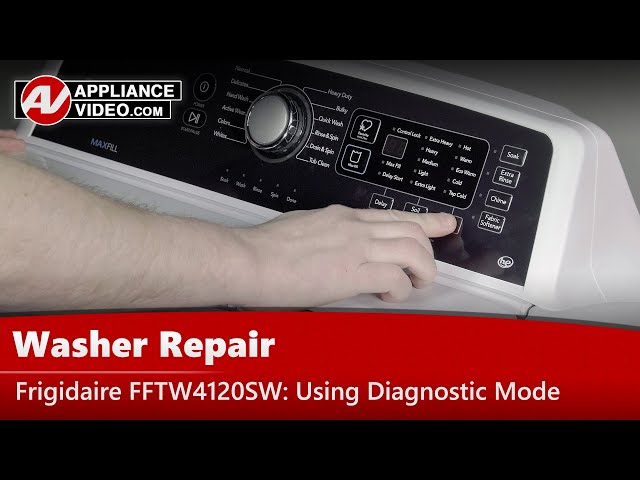
Youtube Video:
Quick Wiring Specifications & Terminal Guide
| Component / Circuit | Standard Wire Gauge | Recommended Protection |
|---|---|---|
| Control & Trigger Signals | 18 – 20 AWG | 5A – 7.5A Inline Fuse |
| Standard Auxiliary Load | 14 – 16 AWG | 15A – 20A Circuit Breaker |
| Main Power Feed / Supply | 10 – 12 AWG | 30A – 40A Heavy-Duty Relay |
Images References
Looking for more diagnostic guides? Explore our complete Washing Machine Problems 2 section for step-by-step troubleshooting solutions.
