
Introduction
A noisy ice maker in your Frigidaire refrigerator can be irritating. It might sound like grinding, banging, or constant buzzing, and it often disrupts the peace and quiet of your kitchen. While some ice maker sounds are normal (like the ice dropping), excessive or unusual noises usually indicate a problem. Addressing these sounds promptly is important, as they could point to a minor issue that can be easily fixed, or they could signal a more serious underlying problem that, if ignored, could lead to a complete ice maker failure and even potential damage to other refrigerator components.
💡 Technical Key Takeaways:
- Core Focus: Diagnostic schematic and terminal connection layout for Frigidaire Refrigerator Noise Ice Maker.
- Target Scope: Field technicians, automotive DIYers, and residential/commercial electricians.
- Safety Rule: Always disconnect the primary power source/battery terminal and verify zero voltage with a multimeter before touching wires.
Common Causes of Frigidaire Refrigerator Noise
Here are some common culprits behind a noisy Frigidaire ice maker:
- Ice Buildup: Ice can accumulate around the ice maker’s moving parts, causing grinding or scraping sounds.
- Water Inlet Valve Issues: A malfunctioning or partially blocked water inlet valve can cause buzzing or humming noises.
- Ice Maker Motor Problems: The motor that drives the ice-making mechanism can become noisy as it ages or if it’s strained.
- Loose Components: Screws or other fasteners within the ice maker assembly can loosen over time, leading to rattling.
- Water Line Problems: Kinks or obstructions in the water line can restrict water flow and create hissing or gurgling sounds.
- Defective Ice Mold: A cracked or damaged ice mold can cause unusual noises during the freezing or ejection process.
- Foreign Objects: Small items like ice chips or food particles can get lodged in the ice maker, leading to grinding or clicking.
- Ice Level Sensor Problems: The sensor that tells the ice maker when to stop producing ice can malfunction, causing it to overfill or cycle continuously.
Symptoms Checklist
Use this checklist to accurately identify the issue:
- Loud grinding or scraping noises coming from the ice maker area.
- Buzzing or humming sound, especially when the ice maker is filling with water.
- Rattling noises that seem to be coming from inside the ice maker.
- Ice maker constantly cycling or overfilling.
- Unusual hissing or gurgling sounds near the refrigerator’s water supply line.
- Ice cubes are misshapen or stuck together.
- No ice production despite the ice maker being turned on.
How to Fix Frigidaire Refrigerator Noise Step-by-Step Guide
Follow these steps to troubleshoot and fix your noisy Frigidaire ice maker:
- Unplug the Refrigerator: For your safety, always unplug the refrigerator before working on any internal components.
- Locate the Ice Maker: The ice maker is typically located in the freezer compartment, usually on the left side.
- Inspect for Ice Buildup: Look for any ice buildup around the ice maker’s moving parts. If you see any, gently melt it using a hairdryer on a low setting (never use hot water).
- Check the Water Inlet Valve: The water inlet valve is usually located at the back of the refrigerator. Inspect it for any signs of damage or leaks.
- Examine the Water Line: Make sure the water line is not kinked or blocked. Straighten any kinks and ensure the line is properly connected.
- Listen to the Motor: With the refrigerator plugged back in, listen carefully to the ice maker motor as it cycles. If it sounds strained or excessively noisy, it may be failing.
- Check for Loose Components: Carefully inspect the ice maker assembly for any loose screws or other fasteners. Tighten them as needed.
- Clean the Ice Maker: Remove any debris or foreign objects from the ice maker. You can use a small brush or a damp cloth to clean it.
- Test the Ice Maker: Most Frigidaire ice makers have a test cycle. Consult your refrigerator’s user manual for instructions on how to initiate a test cycle.
- Level the Refrigerator: An unlevel refrigerator can cause the ice maker to malfunction. Use a level to ensure the refrigerator is properly leveled.
- Check the Freezer Temperature: Ensure your freezer temperature is set to the recommended setting (usually around 0F or -18C). Too warm a temperature can affect ice production.
- Inspect the Ice Mold: Check the ice mold for any cracks or damage. A damaged ice mold can cause ice cubes to stick or come out misshapen.
- Reset the Ice Maker: Some ice makers have a reset button. Consult your user manual to see if your model has one and how to use it.
- Observe the Ice Ejection Process: Watch the ice ejection process carefully. If the ice is not being ejected properly, it could indicate a problem with the ice maker motor or the ejector mechanism.
Fix the Issue Without Buying Parts
Before considering replacement parts, try these free methods:
- Reset the Ice Maker: As mentioned above, check your manual for a reset button.
- Deep Cleaning: Thoroughly clean the ice maker and surrounding area to remove any debris.
- Water Filter Replacement: A clogged water filter can restrict water flow to the ice maker. Replace the filter according to the manufacturer’s recommendations.
- Regular Inspection: Periodically inspect the ice maker for ice buildup and loose components.
- Proper Maintenance: Keep the refrigerator and ice maker clean and well-maintained to prevent problems from occurring.
When Replacement Might Be Necessary
If the noise persists after trying all the troubleshooting steps, and the ice maker continues to malfunction, replacement of certain components may be necessary. Common parts that fail include the ice maker motor (estimated cost: $50-$150 USD), the water inlet valve ($30-$80 USD), or the entire ice maker assembly ($100-$300 USD). Consider consulting with a qualified appliance repair technician for diagnosis and repair advice before proceeding with any replacements.
Safety Warning
- Always unplug the refrigerator before working on any internal components.
- Avoid touching electrical components with wet hands.
- Be careful when using tools near water lines.
- If you are not comfortable working with electrical or mechanical components, consult a qualified appliance repair technician.
- Ensure the floor around the refrigerator is dry to prevent slipping hazards.
Tools You May Need
- Screwdrivers (Phillips and flathead)
- Pliers
- Adjustable wrench
- Small brush
- Damp cloth
- Hairdryer (for melting ice buildup)
- Level
FAQ
Here are some frequently asked questions about noisy Frigidaire ice makers:
- Q: Why is my ice maker making a loud grinding noise? A: This is often caused by ice buildup around the ice maker’s moving parts. Try melting the ice buildup with a hairdryer.
- Q: My ice maker is humming constantly, what could be the problem? A: A humming sound usually indicates a problem with the water inlet valve. Check the valve for damage or blockage.
- Q: How do I reset my Frigidaire ice maker? A: Consult your refrigerator’s user manual for instructions on how to reset your specific model’s ice maker.
- Q: Is it normal for my ice maker to make some noise? A: Yes, it’s normal for the ice maker to make some noise during the ice-making and ejection process. However, excessive or unusual noises should be investigated.
Conclusion
Troubleshooting a noisy Frigidaire ice maker can seem daunting, but by following these steps, you can often diagnose and fix the problem yourself. Remember to prioritize safety and consult your refrigerator’s user manual for specific instructions. If you’ve exhausted all troubleshooting options and the noise persists, don’t hesitate to call a qualified appliance repair technician for professional assistance.
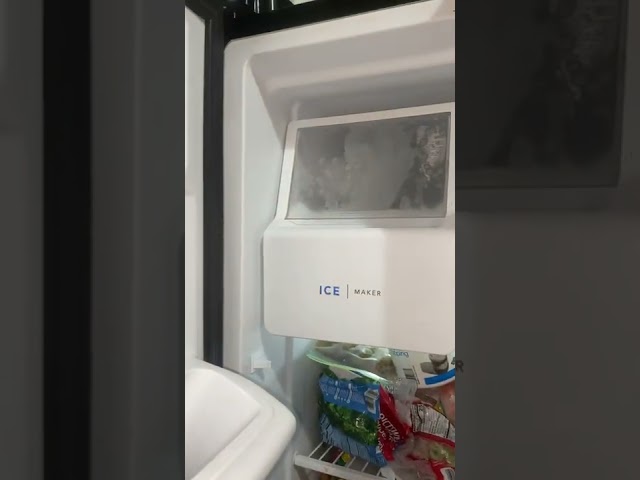
Youtube Video:
Quick Wiring Specifications & Terminal Guide
| Component / Circuit | Standard Wire Gauge | Recommended Protection |
|---|---|---|
| Control & Trigger Signals | 18 – 20 AWG | 5A – 7.5A Inline Fuse |
| Standard Auxiliary Load | 14 – 16 AWG | 15A – 20A Circuit Breaker |
| Main Power Feed / Supply | 10 – 12 AWG | 30A – 40A Heavy-Duty Relay |
Images References
Looking for more diagnostic guides? Explore our complete Refrigerator Problems 3 section for step-by-step troubleshooting solutions.
