
Introduction
A refrigerator making excessive noise can be extremely annoying and indicate a potential problem. It’s not just about peace and quiet; unusual sounds from your fridge could signal that a component is failing, leading to decreased efficiency or even a complete breakdown. Ignoring a loud fridge can result in spoiled food and costly repairs down the line. Act promptly to diagnose and address the source of the noise to prevent further damage. This guide is designed to help you troubleshoot and potentially fix the issue yourself, saving you money and hassle.
💡 Technical Key Takeaways:
- Core Focus: Diagnostic schematic and terminal connection layout for Fridge Really Loud.
- Target Scope: Field technicians, automotive DIYers, and residential/commercial electricians.
- Safety Rule: Always disconnect the primary power source/battery terminal and verify zero voltage with a multimeter before touching wires.
Common Causes of fridge really loud
Here are some common reasons why your refrigerator might be making excessive noise:
- Dirty Condenser Coils: Dust and debris can accumulate on the coils, causing the compressor to work harder and louder.
- Faulty Condenser Fan Motor: This fan cools the condenser coils, and a failing motor can create a loud buzzing or grinding noise.
- Icemaker Issues: Problems with the icemaker, such as a stuck valve or motor malfunction, can cause banging or rattling sounds.
- Defrost Timer Malfunction: A faulty defrost timer can cause the fridge to run excessively and loudly.
- Worn Compressor: The compressor is the heart of the fridge, and a failing one can produce loud humming or rattling noises.
- Loose Drain Pan: The drain pan, which collects water from the defrost cycle, can vibrate if it’s loose or improperly positioned.
- Unbalanced Fridge: If the refrigerator isn’t level, it can cause vibrations and noise.
- Water Inlet Valve Problems: A faulty valve can cause humming or buzzing, particularly when the ice maker or water dispenser is in use.
- Evaporator Fan Motor Issues: Located inside the freezer, this fan circulates cold air. A failing motor can be noisy.
Symptoms Checklist
Use this checklist to narrow down the possible causes of the noise:
- Is the noise a buzzing, humming, rattling, grinding, or clicking sound?
- Does the noise happen constantly, intermittently, or only during certain cycles (like defrost)?
- Does the noise seem to be coming from the back, bottom, or inside of the fridge?
- Does the noise change when the fridge door is opened or closed?
- Is the freezer making the noise, or is it the refrigerator compartment?
- Has the noise started recently, or has it been gradually getting louder over time?
How to Fix fridge really loud Step-by-Step Guide
Follow these steps to troubleshoot your noisy refrigerator:
- Unplug the Fridge: Always disconnect the power before attempting any repairs. This is crucial for safety.
- Clean the Condenser Coils: Locate the coils (usually on the back or bottom of the fridge). Use a vacuum cleaner with a brush attachment to remove dust and debris.
- Check the Condenser Fan: Locate the condenser fan near the compressor. Ensure it’s free of obstructions and spins smoothly. If it’s stiff or noisy, it might need replacement (but try cleaning and lubricating first).
- Inspect the Evaporator Fan: Open the freezer and locate the evaporator fan (usually behind a panel). Check for ice buildup, which can cause noise. Defrost the freezer if necessary.
- Level the Fridge: Use a level to ensure the fridge is sitting evenly. Adjust the leveling feet on the bottom corners until it’s stable and balanced.
- Check the Drain Pan: Locate the drain pan (usually under the fridge). Make sure it’s properly positioned and not vibrating against anything.
- Listen to the Compressor: Carefully listen to the compressor (the black, tank-like component on the back). If it’s making a loud, constant rattling or grinding noise, it could be failing.
- Inspect the Icemaker: If the noise seems to be coming from the icemaker, check for ice jams or obstructions. Try turning the icemaker off and on to see if the noise stops.
- Check the Water Inlet Valve: If you hear a humming or buzzing sound when the icemaker or water dispenser is used, inspect the water inlet valve. Make sure the water line is properly connected and not kinked.
- Listen for Clicking Sounds: Clicking sounds might be a relay starting and stopping constantly. This is most likely a compressor issue.
- Defrost Cycle Observation: Try listening while the fridge is actively defrosting. The process itself can be loud and normal, but any excessive noise could indicate issues with the defrost timer or heater.
- Check For Loose Parts: Inspect all components you can easily access for any loose screws, connections, or panels that could be vibrating.
Fix the Issue Without Buying Parts
Before considering replacements, try these solutions:
- Reset the Fridge: Unplug the fridge for 30 minutes, then plug it back in. This can sometimes reset the system and resolve minor issues.
- Deep Cleaning: Thoroughly clean the inside and outside of the fridge, paying attention to areas where dust and debris might accumulate.
- Manual Defrost: Manually defrost the freezer to remove ice buildup that could be causing noise.
- Inspection of Mounting Hardware: Check screws or mounting brackets that may have loosened from normal vibrations over time.
When Replacement Might Be Necessary
If you’ve tried all the troubleshooting steps and the noise persists, replacement of certain parts might be needed. Common failing parts include the condenser fan motor, evaporator fan motor, compressor, and icemaker. Replacement costs can range from $50 to $200+ for fan motors, $150 to $500+ for the compressor, and $100 to $300+ for an icemaker, depending on the model. Labor costs can add significantly to these figures, so consider whether it’s more cost-effective to replace the entire refrigerator, especially if it’s an older model.
Safety Warning
- Always unplug the refrigerator before attempting any repairs.
- Avoid working on electrical components if you’re not comfortable.
- Keep the floor dry to prevent electric shock.
- If you smell burning or see smoke, immediately unplug the fridge and call a qualified technician.
Tools You May Need
- Screwdrivers (Phillips and flathead)
- Vacuum cleaner with brush attachment
- Level
- Wrench or pliers
- Multimeter (optional, for testing electrical components)
- Gloves
FAQ
Here are some frequently asked questions about noisy refrigerators:
-
Q: Why is my fridge making a loud buzzing noise?
A: A buzzing noise could be caused by a faulty condenser fan motor, a problem with the water inlet valve, or a loose component vibrating. -
Q: What does it mean when my fridge is clicking repeatedly?
A: Repeated clicking often suggests the compressor is failing or the overload relay is malfunctioning. -
Q: My fridge is making a gurgling sound. Is that normal?
A: Gurgling sounds are usually related to the flow of refrigerant. While some gurgling is normal, excessive or loud gurgling might indicate a leak or other issue with the refrigerant system. -
Q: How often should I clean the condenser coils?
A: It’s recommended to clean the condenser coils at least twice a year, or more frequently if you have pets or live in a dusty environment.
Conclusion
A loud refrigerator can be a real nuisance, but with a little troubleshooting, you can often identify and resolve the problem yourself. By following the steps outlined in this guide, you can potentially save money on costly repairs and extend the life of your appliance. If you’re not comfortable performing any of these steps or if the problem persists, it’s always best to consult with a qualified appliance technician. Don’t be afraid to try fixing it yourself first!
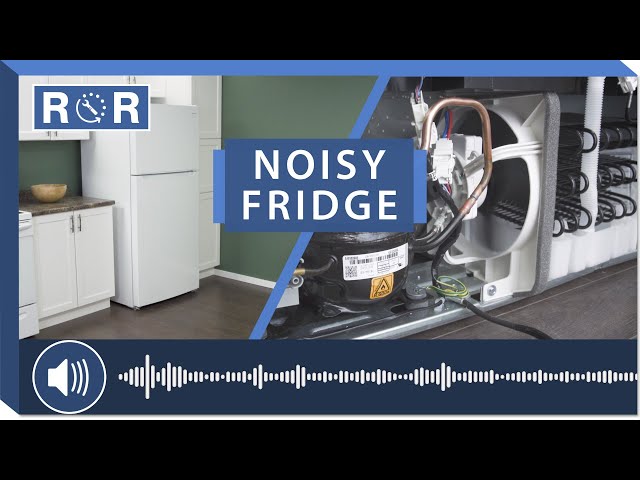
Youtube Video:
Quick Wiring Specifications & Terminal Guide
| Component / Circuit | Standard Wire Gauge | Recommended Protection |
|---|---|---|
| Control & Trigger Signals | 18 – 20 AWG | 5A – 7.5A Inline Fuse |
| Standard Auxiliary Load | 14 – 16 AWG | 15A – 20A Circuit Breaker |
| Main Power Feed / Supply | 10 – 12 AWG | 30A – 40A Heavy-Duty Relay |
Images References
Looking for more diagnostic guides? Explore our complete Refrigerator Problems 2 section for step-by-step troubleshooting solutions.
