
Introduction
Is your refrigerator’s freezer developing an unwelcome ice age? A fridge not defrosting properly is a common issue that can lead to reduced efficiency, wasted energy, and even spoiled food. When your fridge can’t melt the accumulated frost, it becomes harder to maintain the correct temperature. This often happens when you notice excessive ice buildup on the back wall of the freezer. Addressing this problem quickly is important, as ignoring it can lead to a complete system failure and costly repairs. Let’s explore some common causes and simple fixes you can try yourself.
💡 Technical Key Takeaways:
- Core Focus: Diagnostic schematic and terminal connection layout for Fridge Not Defrosting Properly.
- Target Scope: Field technicians, automotive DIYers, and residential/commercial electricians.
- Safety Rule: Always disconnect the primary power source/battery terminal and verify zero voltage with a multimeter before touching wires.
Common Causes of Fridge Not Defrosting Properly
Here are some reasons why your fridge might be struggling to defrost:
- Faulty Defrost Timer: This timer controls when the defrost cycle begins. If it’s broken, the defrost cycle may not start at all.
- Defective Defrost Heater: The heater melts the frost. If it burns out, frost will accumulate.
- Bad Defrost Thermostat: This thermostat monitors the temperature of the evaporator coils and activates the defrost heater. A faulty thermostat won’t signal the heater to turn on.
- Blocked Defrost Drain: If the drain is clogged with ice or debris, the melted frost can’t drain away, leading to ice buildup.
- Damaged Temperature Sensor: The sensor sends the temperature reading to the control board. If it’s faulty, the fridge might not initiate the defrost cycle correctly.
- Control Board Malfunction: The control board manages all the fridge’s functions, including the defrost cycle. If it’s malfunctioning, defrosting may not occur.
- Door Seals: If the fridge/freezer door seals are not sealing correctly, moist air can get inside and condense/freeze.
- Overcrowding: Stuffing too many items in your freezer can obstruct airflow and hinder the defrost cycle.
Symptoms Checklist
Check these indicators to confirm the issue:
- Excessive ice buildup on the back wall of the freezer.
- Food in the freezer showing signs of freezer burn.
- The fridge seems to be running constantly.
- Unusual noises coming from the fridge.
- Temperature inside the fridge is warmer than usual.
- Puddles of water forming inside the fridge or below the appliance.
How to Fix Fridge Not Defrosting Properly Step-by-Step Guide
Here’s how to troubleshoot the problem:
- Unplug the Fridge: Always disconnect the power before working on any appliance.
- Inspect the Defrost Drain: Locate the drain hole at the back of the freezer (usually at the bottom). Use a turkey baster with warm water or a pipe cleaner to clear any ice or debris clogging the drain.
- Check the Defrost Heater: To do this, you may need to remove the back panel inside the freezer. The defrost heater is usually a coil or a glass tube at the bottom of the evaporator coils. If you see any visible breaks, it could be faulty. This requires more advanced testing.
- Test the Defrost Thermostat: The thermostat is usually attached to the evaporator coils. You can check it for continuity with a multimeter. It should show continuity when cold.
- Listen to the Defrost Timer: Most fridges have a defrost timer, often located behind the kick plate at the bottom front of the fridge or behind the temperature control panel inside the fridge. If you hear a clicking sound but the defrost cycle doesn’t start, the timer could be defective.
- Ensure Proper Airflow: Avoid overcrowding your freezer. Leave space between items for air to circulate freely.
- Check Door Seals: Inspect the rubber seals around the freezer and fridge doors. Clean them with warm, soapy water. If they’re cracked or damaged, they need to be replaced.
- Manually Defrost: As a temporary fix, manually defrost the fridge. Empty the freezer, unplug the fridge, and leave the door open for 24 hours. Place towels inside to catch melting ice.
- Inspect the Condenser Coils: Located at the back or bottom of the fridge. Clean any dust and debris from the coils to improve cooling efficiency.
- Reset the Fridge: After completing the above steps, plug the fridge back in and let it run for 24 hours. Monitor its performance to see if the defrost cycle is working correctly.
Fix the Issue Without Buying Parts
Here are some cost-free methods to try:
- Manual Defrosting: As mentioned above, unplugging and manually defrosting can sometimes resolve minor issues.
- Cleaning: Regularly cleaning the condenser coils and defrost drain can prevent future problems.
- Resetting: Simply unplugging and replugging the fridge can sometimes reset the control board.
- Inspection Tips: Regularly inspect the door seals and listen for unusual noises to catch problems early.
- Maintenance Basics: Proper airflow and avoiding overcrowding are key to maintaining a healthy fridge.
When Replacement Might Be Necessary
If you’ve tried all the troubleshooting steps and your fridge is still not defrosting, a component replacement might be needed. Parts commonly failing include the defrost heater ($30-$70), defrost thermostat ($15-$40), and defrost timer ($20-$50). A control board replacement can cost significantly more ($100-$300). If repairs become too costly, consider the age and overall condition of your refrigerator before deciding on a replacement.
Safety Warning
Please observe the following safety precautions:
- Always unplug the appliance before attempting any repairs.
- Avoid working with electrical components if you’re not comfortable or experienced.
- Be careful when handling water and electricity to avoid shock.
- Dry any spills immediately to prevent slips and falls.
- If you’re unsure about any step, consult a qualified technician.
Tools You May Need
Here’s a list of tools that might be helpful:
- Screwdrivers (Phillips and flathead)
- Pliers
- Multimeter (for testing electrical components)
- Turkey baster or pipe cleaner (for clearing the defrost drain)
- Towels
FAQ
Here are some frequently asked questions:
- Q: How often should my fridge defrost? A: Most refrigerators defrost automatically every 6-12 hours.
- Q: How do I know if my defrost heater is working? A: You can test it with a multimeter for continuity or check for visible damage.
- Q: What happens if I don’t fix the defrost problem? A: Continued ice buildup can lead to reduced cooling efficiency, food spoilage, and eventually a complete system failure.
- Q: Can I use a hairdryer to melt the ice? A: While possible, it’s not recommended due to electrical safety and the potential to damage plastic components. Manual defrosting is safer.
Conclusion
A fridge not defrosting properly can be a frustrating issue, but with these steps, you should be able to troubleshoot and resolve the problem yourself. Remember to prioritize safety and don’t hesitate to seek professional help if you’re unsure about any step. By taking the DIY approach first, you can save money and extend the life of your appliance. If all else fails, a qualified technician can diagnose and repair the issue efficiently.
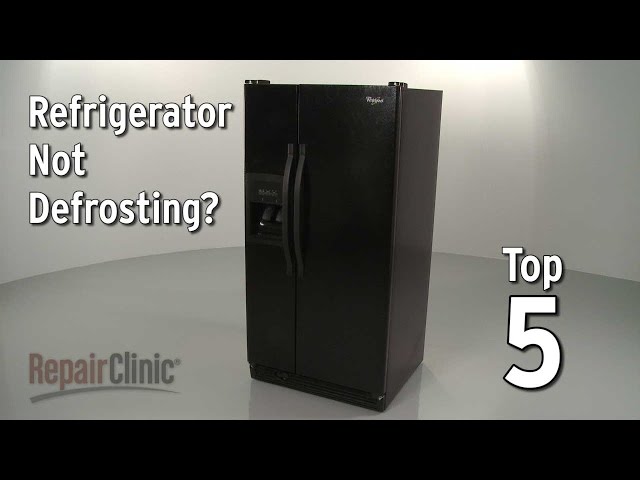
Youtube Video:
Quick Wiring Specifications & Terminal Guide
| Component / Circuit | Standard Wire Gauge | Recommended Protection |
|---|---|---|
| Control & Trigger Signals | 18 – 20 AWG | 5A – 7.5A Inline Fuse |
| Standard Auxiliary Load | 14 – 16 AWG | 15A – 20A Circuit Breaker |
| Main Power Feed / Supply | 10 – 12 AWG | 30A – 40A Heavy-Duty Relay |
Images References
Looking for more diagnostic guides? Explore our complete Refrigerator Problems 2 section for step-by-step troubleshooting solutions.
