
Introduction
A refrigerator that’s not cooling and is leaking water is a common and frustrating problem for homeowners. It can lead to spoiled food, wasted money, and potential water damage to your floors. Often, it’s a sign that something is amiss with the fridge’s defrost system or water supply. Addressing this promptly is important to prevent further damage and ensure your food stays fresh and safe to eat.
💡 Technical Key Takeaways:
- Core Focus: Diagnostic schematic and terminal connection layout for Fridge Not Cooling Water Leaking.
- Target Scope: Field technicians, automotive DIYers, and residential/commercial electricians.
- Safety Rule: Always disconnect the primary power source/battery terminal and verify zero voltage with a multimeter before touching wires.
Common Causes of Fridge Not Cooling, Water Leaking
Here are some common reasons why your fridge might be acting up:
- Frozen Evaporator Coils: Ice buildup prevents proper cooling.
- Defrost System Failure: The defrost heater, thermostat, or timer might be broken, leading to excessive ice.
- Clogged Defrost Drain: This prevents water from draining properly during the defrost cycle, causing leaks.
- Faulty Door Seals: Warm air entering the fridge causes the compressor to work harder and can lead to condensation.
- Water Line Issues: A loose or damaged water line to the ice maker or water dispenser can leak.
- Clogged Water Filter: A dirty filter restricts water flow, potentially causing leaks or reduced cooling.
- Damaged Water Tank: Cracks in the water tank (if your fridge has one) can cause leaks.
- Problematic Drain Pan: A cracked or overflowing drain pan can be the source of leaking water.
Symptoms Checklist
Look for these signs to help pinpoint the problem:
- Fridge temperature is warmer than usual.
- Food is spoiling faster.
- Water pooling inside the fridge compartment.
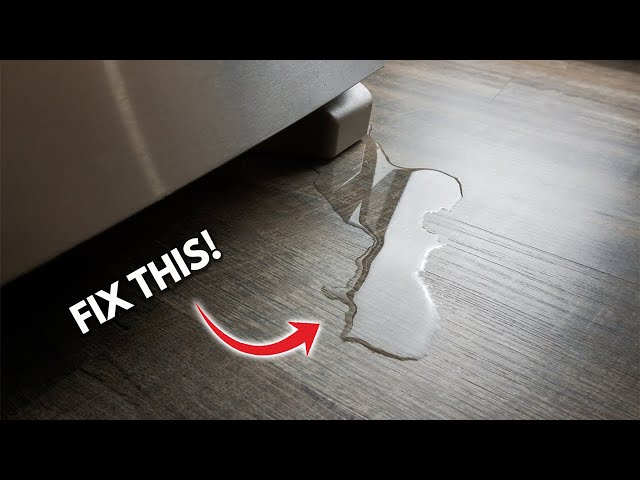
- Water leaking from under the fridge.
- Excessive frost buildup on the back panel of the freezer.
- Ice maker is not producing ice, or producing very little.
- Unusual noises coming from the fridge (e.g., clicking, buzzing).
How to Fix Fridge Not Cooling, Water Leaking Step-by-Step Guide
Follow these steps to diagnose and fix the issue:
- Unplug the Refrigerator: Always disconnect the power before starting any repairs.
- Check the Door Seals: Inspect the rubber seals around the fridge and freezer doors for damage or gaps. Clean them with warm soapy water to remove any debris.
- Inspect the Back Panel Inside the Freezer: If there’s excessive frost buildup, it could indicate a defrost system problem.
- Locate the Defrost Drain: This is usually located on the back wall of the freezer, often near the bottom.
- Clear the Defrost Drain: Use a turkey baster filled with hot water or a long, flexible object (like a pipe cleaner or thin wire) to clear any blockage in the drain.
- Check the Defrost Heater: (Advanced – proceed with caution). If you’re comfortable, locate the defrost heater (usually near the evaporator coils). Visually inspect it for breaks or damage. A multimeter can be used to check for continuity (if you know how to use one otherwise, skip this step).
- Clean the Condenser Coils: These coils are usually located at the back or bottom of the fridge. Use a vacuum cleaner with a brush attachment to remove dust and debris.
- Check the Water Line: Inspect the water line connecting to the fridge for any leaks or damage. Tighten any loose connections.
- Replace the Water Filter: A clogged water filter can affect both water dispensing and cooling. Follow your fridge’s manual for filter replacement instructions.
- Locate the Drain Pan: This pan catches defrost water. It’s typically located at the bottom of the fridge, behind the kick plate.
- Inspect the Drain Pan: Check the drain pan for cracks or overflowing. Empty it if it’s full.
- Listen to the Compressor: Make sure you can hear it running, this is usually in the back of the fridge. It should run regularly, if it doesn’t turn on your refrigerator is likely done.
- Reset the Refrigerator: Unplug the fridge for 30 minutes, then plug it back in. This can sometimes reset the system and resolve minor issues.
- Monitor the Fridge: After completing these steps, observe the fridge for a few days to see if the cooling and leaking issues are resolved.
Fix the Issue Without Buying Parts
Often, the “fridge not cooling water leaking” problem can be solved with some simple maintenance:
- Resetting: Unplugging the fridge for a period can sometimes reset the internal systems.
- Cleaning: Cleaning the condenser coils and drain pan is crucial for efficient operation.
- Recalibration (if applicable): Some refrigerators have a calibration setting in the control panel. Check your user manual.
- Inspection Tips: Regularly inspect door seals and water lines for any signs of wear and tear.
- Maintenance Basics: Replace the water filter as recommended by the manufacturer.
When Replacement Might Be Necessary
If the compressor fails, or major components of the defrost system are broken, repairs can be costly. If a repair is estimated at more than $500 USD, and your fridge is over 8-10 years old, replacement might be a more economical option. Commonly failing parts include the compressor, defrost heater, and control board. For more related activities, check out our Fridge Leaking Water Inside Top Shelf.
Safety Warning
- Always unplug the refrigerator before performing any repairs.
- Be careful when handling electrical components.
- Avoid standing in water while working on the fridge to prevent electric shock.
- Wear gloves to protect your hands.
- Dispose of old water filters and other parts properly.
Tools You May Need
- Screwdrivers (Phillips and flathead)
- Vacuum cleaner with brush attachment
- Turkey baster or long, flexible object (for clearing drain)
- Warm soapy water and a sponge
- Multimeter (optional, for testing electrical components)
- Gloves
FAQ
Here are some frequently asked questions:
- Q: Why is my fridge cooling but still leaking water? A: It could be a clogged defrost drain or a leaky water line.
- Q: How often should I clean the condenser coils? A: At least every six months, or more often if you have pets.
- Q: How do I know if my defrost heater is broken? A: If there’s excessive frost buildup on the back panel of the freezer, and the defrost drain is clear, the defrost heater may be faulty. Use a multimeter to test if you have experience in testing electric components.
- Q: My water filter is new, but the fridge is still leaking. What should I do? A: Check the water line connections for leaks and ensure the filter is installed correctly.
Conclusion
Troubleshooting a “fridge not cooling water leaking” issue can seem daunting, but with a systematic approach, you can often identify and resolve the problem yourself. Remember to prioritize safety and take your time. If you’ve exhausted these steps and the problem persists, it’s best to consult a qualified appliance repair technician.
Youtube Video:
Quick Wiring Specifications & Terminal Guide
| Component / Circuit | Standard Wire Gauge | Recommended Protection |
|---|---|---|
| Control & Trigger Signals | 18 – 20 AWG | 5A – 7.5A Inline Fuse |
| Standard Auxiliary Load | 14 – 16 AWG | 15A – 20A Circuit Breaker |
| Main Power Feed / Supply | 10 – 12 AWG | 30A – 40A Heavy-Duty Relay |
Images References
Looking for more diagnostic guides? Explore our complete Refrigerator Problems 2 section for step-by-step troubleshooting solutions.
