
Introduction
Is your fridge sounding like a washing machine full of rocks and failing to keep your food cold? This is a common problem, and it’s usually a sign that something isn’t working quite right inside. A rattling fridge that isn’t cooling is more than just annoying; it can lead to spoiled food and wasted money. Addressing this issue quickly can prevent further damage and save you from throwing away perfectly good groceries. Let’s troubleshoot this issue before it gets worse!
💡 Technical Key Takeaways:
- Core Focus: Diagnostic schematic and terminal connection layout for Fridge Making Rattling Noise And Not Cooling.
- Target Scope: Field technicians, automotive DIYers, and residential/commercial electricians.
- Safety Rule: Always disconnect the primary power source/battery terminal and verify zero voltage with a multimeter before touching wires.
Common Causes of fridge making rattling noise and not cooling
Here are some of the most frequent reasons why your fridge might be rattling and not cooling properly:. For more related activities, check out our Fridge Water Coming Out.
- Faulty Condenser Fan Motor: This fan cools the compressor. If it’s failing, it can rattle and the compressor will overheat, impacting cooling.
- Evaporator Fan Motor Issues: Located inside the freezer, this fan circulates cold air. A failing motor or blocked fan blades can cause noise and poor cooling.
- Dirty Condenser Coils: These coils release heat. When they’re covered in dust, the fridge has to work harder, potentially causing rattling and inefficient cooling.
- Compressor Problems: The compressor is the heart of the fridge. If it’s failing, it can produce unusual noises, including rattling, and the fridge won’t cool.
- Ice Buildup: Excessive ice buildup around the evaporator coils can block airflow and cause the fan to rattle as it tries to push air through the ice.
- Loose Components: Sometimes, parts like screws or panels can come loose and vibrate, creating a rattling noise.
- Relay or Overload Protector Failure: These components protect the compressor. A failing relay or overload protector can cause the compressor to cycle on and off erratically, leading to noise and inadequate cooling.
- Damaged or Worn-Out Fan Blades: Cracks or breaks in the fan blades can cause them to wobble and rattle.
Symptoms Checklist
Use this checklist to identify the problem more accurately:
- Rattling noise coming from the back or inside of the fridge/freezer.
- Fridge temperature is warmer than usual.
- Freezer temperature is above freezing.
- Food is spoiling faster than normal.
- Compressor is running constantly or not at all.
- Ice buildup in the freezer.
- Condenser coils are covered in dust.
How to Fix fridge making rattling noise and not cooling Step-by-Step Guide
- Unplug the Fridge: Safety first! Disconnect the fridge from the power outlet before you start any inspection or repair.
- Locate the Source of the Noise: Listen carefully to determine where the rattling is coming from (back, inside the freezer, etc.).
- Inspect the Condenser Coils: These coils are usually located on the back or bottom of the fridge. Clean them thoroughly with a vacuum cleaner and a brush.
- Check the Condenser Fan: Located near the compressor, make sure the fan blades are free of obstructions and that the fan spins freely.
- Examine the Evaporator Fan (Freezer): Open the freezer and check the fan. Make sure it’s not blocked by ice or debris. Manually spin the fan to see if it moves freely.
- Defrost the Freezer: If there’s excessive ice buildup, manually defrost the freezer by unplugging the fridge and leaving the door open for several hours.
- Inspect for Loose Parts: Check for any loose screws, panels, or components that might be vibrating. Tighten or secure them as needed.
- Check the Fridge Level: Use a level to ensure the fridge is sitting level on the floor. Adjust the feet if necessary. Unevenness can cause rattling.
- Listen to the Compressor: The compressor is usually located at the back of the fridge near the bottom. A healthy compressor should hum quietly. Loud rattling or clicking noises could indicate a problem.
- Check the Door Seals: Make sure the door seals are clean and in good condition. A bad seal can let warm air in, causing the fridge to work harder and potentially rattle.
- Restart the Fridge: After completing the inspection and cleaning, plug the fridge back in and observe its performance.
- Monitor the Temperature: Give the fridge some time to cool down and monitor the temperature inside. Use a thermometer to ensure it’s reaching the proper temperature.
Fix the Issue Without Buying Parts
Sometimes, you can resolve the problem without needing to buy any new parts:
- Reset the Fridge: Unplug the fridge for 30 minutes and then plug it back in. This can sometimes reset the system and resolve minor issues.
- Thorough Cleaning: Clean the inside of the fridge, including shelves, drawers, and door seals. This improves airflow and efficiency.
- Check for Overloading: Avoid overfilling the fridge, as this can restrict airflow and make it work harder.
- Proper Ventilation: Ensure there’s enough space around the fridge for proper ventilation. Don’t push it too close to the wall.
When Replacement Might Be Necessary
If the rattling continues and the cooling problems persist after trying these steps, it’s possible that a component has failed completely. Common parts that fail include the compressor, condenser fan motor, and evaporator fan motor. Replacing these parts can be costly, ranging from $100 to $500 depending on the part and the labor involved. If your fridge is old or the repair cost is significant, it might be more economical to consider replacing the entire unit.
Safety Warning
- Always unplug the fridge before performing any inspection or repair.
- Avoid working on electrical components if you’re not comfortable with electrical work.
- Be careful when handling sharp tools or components.
- Keep children and pets away from the work area.
- If you’re unsure about any step, consult a qualified appliance repair technician.
Tools You May Need
- Screwdriver (Phillips and flathead)
- Vacuum cleaner with brush attachment
- Wrench
- Multimeter (optional, for testing electrical components)
- Level
- Thermometer
FAQ
Here are some common questions related to this issue:
-
Q: Why is my fridge rattling even after I cleaned the coils?
A: The rattling could be coming from a failing fan motor or a loose component. Check the condenser and evaporator fans for obstructions or damage. -
Q: How long should I defrost my freezer?
A: Defrosting can take several hours, depending on the amount of ice buildup. Leave the door open and place towels to absorb the melting water. -
Q: Is it safe to run the fridge if it’s rattling?
A: While it might be safe in the short term, running a rattling fridge can cause further damage. It’s best to address the issue as soon as possible. -
Q: How do I know if the compressor is failing?
A: A failing compressor might make loud rattling or clicking noises, or it might not run at all. If the fridge isn’t cooling and the compressor is silent, it could be a sign of compressor failure.
Conclusion
Troubleshooting a rattling, non-cooling fridge can seem daunting, but by following these steps, you can often identify and resolve the issue yourself. Remember to prioritize safety and take your time. If you’ve tried these steps and the problem persists, don’t hesitate to call a qualified appliance repair technician. Getting a professional opinion may save you money in the long run compared to potential further damages.
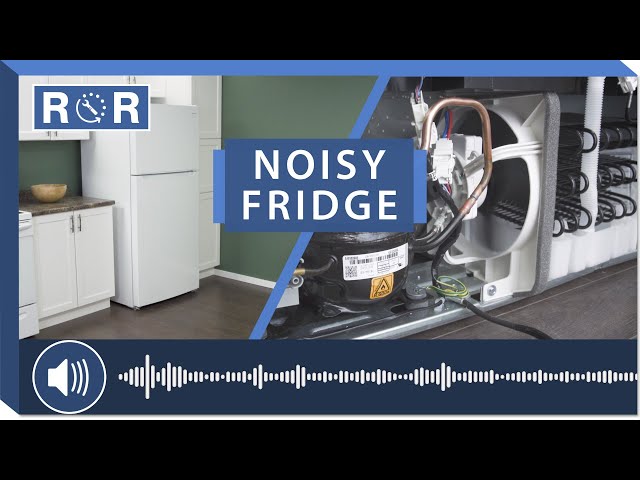
Youtube Video:
Quick Wiring Specifications & Terminal Guide
| Component / Circuit | Standard Wire Gauge | Recommended Protection |
|---|---|---|
| Control & Trigger Signals | 18 – 20 AWG | 5A – 7.5A Inline Fuse |
| Standard Auxiliary Load | 14 – 16 AWG | 15A – 20A Circuit Breaker |
| Main Power Feed / Supply | 10 – 12 AWG | 30A – 40A Heavy-Duty Relay |
Images References
Looking for more diagnostic guides? Explore our complete Refrigerator Problems 2 section for step-by-step troubleshooting solutions.
