
Introduction
Hearing a bubbling sound coming from your refrigerator can be unsettling. It’s a common occurrence, especially with modern, energy-efficient models. While it doesn’t always indicate a serious problem, ignoring it could lead to decreased cooling efficiency, higher energy bills, or even a fridge breakdown down the line. This guide will help you understand why your fridge is making this noise and walk you through troubleshooting steps to resolve it before it becomes a major headache.
💡 Technical Key Takeaways:
- Core Focus: Diagnostic schematic and terminal connection layout for Fridge Makes Bubbling Sound.
- Target Scope: Field technicians, automotive DIYers, and residential/commercial electricians.
- Safety Rule: Always disconnect the primary power source/battery terminal and verify zero voltage with a multimeter before touching wires.
Common Causes of fridge makes bubbling sound
Here are some of the most frequent culprits behind the bubbling noise:
- Refrigerant Flow: The most common cause. Refrigerant, the fluid that cools your fridge, circulates through the coils. The sound you hear might just be the normal whooshing or gurgling as the refrigerant moves.
- Defrost Cycle: During the automatic defrost cycle, the fridge melts frost buildup. This process can create a bubbling or gurgling sound as ice melts and water trickles down.
- Water Line Issues: If your fridge has a water dispenser or ice maker, the bubbling could be related to the water line. Air trapped in the line can cause gurgling as the water flows.
- Drain Pan Evaporation: The drain pan collects water from the defrost cycle. As the water evaporates, it can make a bubbling or gurgling noise.
- Partially Blocked Drain Line: A clogged drain line can cause water to back up, leading to bubbling sounds as air tries to escape.
- Condenser Fan Issues: While not directly a bubbling sound, a faulty condenser fan struggling to cool the refrigerant can indirectly cause more refrigerant activity and thus more bubbling noises.
- New Installation: A newly installed fridge might make more noise than usual during the first few days as the refrigerant settles and the system stabilizes.
Symptoms Checklist
To help pinpoint the cause, consider these indicators:
- Is the bubbling sound constant, or does it come and go?
- Does the sound change in intensity?
- Does the sound occur more frequently after opening and closing the fridge door?
- Is the fridge cooling properly?
- Is there water pooling inside the fridge, especially under the crisper drawers?
- Do you have an ice maker or water dispenser? If so, are they working correctly?
- When did you first notice the bubbling sound?
How to Fix fridge makes bubbling sound Step-by-Step Guide
Follow these steps to troubleshoot the bubbling sound:
- Listen Carefully: Try to pinpoint the exact location of the sound. Is it coming from the back, inside the fridge, or near the bottom?
- Check the Defrost Drain: Locate the defrost drain inside the fridge (usually behind the crisper drawers). It’s often a small hole leading to a tube.
- Clear the Drain: Use a turkey baster, a thin wire (like a straightened coat hanger), or a pipe cleaner to gently clear any blockages in the drain. Warm water can help dissolve minor clogs. Be careful not to puncture the drain tube.
- Inspect the Drain Pan: Locate the drain pan (usually at the bottom of the fridge, behind the kick plate). Check if it’s full of water.
- Empty the Drain Pan: If the drain pan is full, carefully remove it and empty the water. Clean the pan to prevent mold and mildew growth.
- Check the Water Line (if applicable): If you have a water dispenser or ice maker, check the water line for kinks or leaks. Straighten any kinks and tighten any loose connections.
- Bleed the Water Line (if applicable): Run the water dispenser for a few minutes to bleed any air trapped in the line. This may require multiple attempts.
- Clean the Condenser Coils: The condenser coils are usually located at the back of the fridge. Unplug the fridge and use a vacuum cleaner with a brush attachment to remove dust and debris from the coils. This improves cooling efficiency.
- Check the Condenser Fan: Locate the condenser fan (near the condenser coils). Make sure it’s running smoothly and not obstructed by anything.
- Ensure Proper Ventilation: Make sure the fridge has adequate space around it for ventilation. Avoid placing it in a tightly enclosed area.
- Reset the Fridge: Unplug the fridge for 10-15 minutes, then plug it back in. This can sometimes reset the system and resolve minor issues.
- Monitor the Sound: After performing these steps, monitor the fridge for a few days to see if the bubbling sound diminishes or disappears.
Fix the Issue Without Buying Parts
Often, you can resolve the bubbling sound without spending any money:
- Cleaning: Regularly cleaning the inside of your fridge and the condenser coils can prevent buildup that contributes to the sound.
- Proper Loading: Avoid overpacking your fridge, as this can restrict airflow and strain the cooling system.
- Leveling: Ensure your fridge is properly leveled. An unlevel fridge can cause vibrations and noises.
- Door Seals: Check the door seals for damage or gaps. Replace worn seals to prevent air leaks and maintain cooling efficiency.
- Monitor Temperature: Check that your fridge and freezer are set to the proper temperatures.
When Replacement Might Be Necessary
If the bubbling sound persists after trying all the troubleshooting steps, or if you notice other issues like consistently warm temperatures, a refrigerant leak might be the cause. A refrigerant leak requires professional repair and can be costly. Replacing a failed compressor will cost $400$800 USD depending on the fridge type. A failing condenser fan can cause other issues. A replacement fan can be installed for approximately $100-$200 USD. At this point, it might be more cost-effective to consider replacing the entire fridge, especially if it’s an older model.
Safety Warning
- Always unplug the refrigerator before performing any maintenance or repairs.
- Be careful when working with electrical components. If you’re not comfortable, consult a qualified technician.
- Avoid using sharp objects to clear the defrost drain, as you could damage the drain tube.
- If you suspect a refrigerant leak, do not attempt to repair it yourself. Refrigerant is a hazardous substance and should only be handled by a trained professional.
- Ensure your hands are dry when plugging or unplugging the fridge.
Tools You May Need
- Screwdrivers (Phillips and flathead)
- Vacuum cleaner with brush attachment
- Turkey baster or pipe cleaner
- Warm water
- Clean cloths
- Gloves
FAQ
- Q: Why is my new fridge making bubbling noises? A: New fridges often make more noise initially as the refrigerant settles and the system stabilizes. This is usually normal and should subside within a few days.
- Q: Is the bubbling sound dangerous? A: Usually not immediately dangerous, but it indicates a potential issue that should be addressed to prevent future problems.
- Q: How often should I clean the condenser coils? A: It’s recommended to clean the condenser coils every 6 months to a year to maintain optimal cooling efficiency.
- Q: What if the bubbling sound is accompanied by a strong odor? A: A strong odor could indicate a refrigerant leak or spoiled food. Investigate immediately and consult a professional if you suspect a refrigerant leak.
- Q: My fridge is still making the bubbling noise after I cleaned everything. What should I do? A: If you’ve tried all the troubleshooting steps and the sound persists, it’s best to consult a qualified appliance technician.
Conclusion
A fridge making a bubbling sound is often a minor issue that you can resolve yourself with a little troubleshooting. By following this guide, you can identify the cause of the noise and take steps to fix it, potentially saving yourself a costly service call. However, if you’re uncomfortable performing any of these steps or if the problem persists, don’t hesitate to call a qualified appliance technician for assistance. Remember, addressing the problem early can prevent more serious issues and prolong the life of your refrigerator!
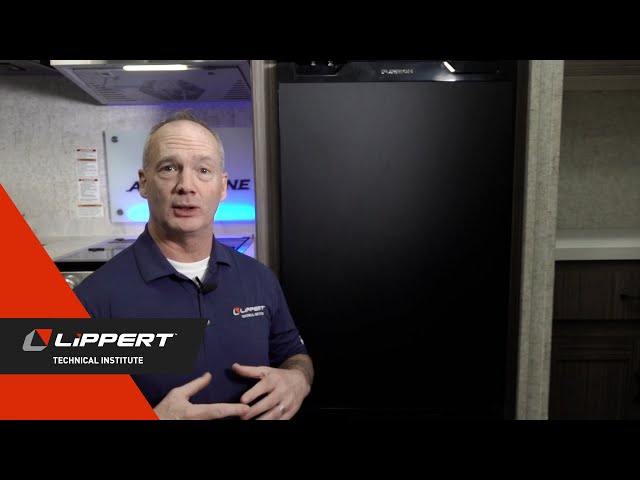
Youtube Video:
Quick Wiring Specifications & Terminal Guide
| Component / Circuit | Standard Wire Gauge | Recommended Protection |
|---|---|---|
| Control & Trigger Signals | 18 – 20 AWG | 5A – 7.5A Inline Fuse |
| Standard Auxiliary Load | 14 – 16 AWG | 15A – 20A Circuit Breaker |
| Main Power Feed / Supply | 10 – 12 AWG | 30A – 40A Heavy-Duty Relay |
Images References
Looking for more diagnostic guides? Explore our complete Refrigerator Problems 2 section for step-by-step troubleshooting solutions.
