
Introduction
A fridge defrost problem is a common issue that can lead to a frustrating situation for homeowners. It usually manifests as excessive ice buildup in your freezer, sometimes extending to the fridge compartment. This ice can reduce storage space, make it difficult to close the door properly, and even cause food to spoil prematurely. If left unaddressed, a malfunctioning defrost system can also lead to increased energy consumption, driving up your electricity bill. Addressing this problem promptly is important to maintain the efficiency and functionality of your refrigerator.
💡 Technical Key Takeaways:
- Core Focus: Diagnostic schematic and terminal connection layout for Fridge Defrost Problem.
- Target Scope: Field technicians, automotive DIYers, and residential/commercial electricians.
- Safety Rule: Always disconnect the primary power source/battery terminal and verify zero voltage with a multimeter before touching wires.
Common Causes of Fridge Defrost Problem
Several factors can contribute to a fridge defrost problem:
- Defrost Timer Malfunction: The defrost timer controls how often the defrost cycle runs. If it fails, the cycle may not activate.
- Defrost Heater Failure: The defrost heater melts the ice buildup. If it’s burned out, ice will accumulate.
- Defrost Thermostat Issues: This thermostat monitors the temperature of the evaporator coils and signals the heater to turn on. A faulty thermostat can prevent defrosting.
- Blocked Defrost Drain: Melted ice drains through a small hole. If this drain is clogged, water can freeze and cause ice buildup.
- Faulty Door Seal: A damaged or loose door seal allows warm, moist air to enter, increasing frost formation.
- Dirty Condenser Coils: Dust and debris on the condenser coils reduce the fridge’s efficiency, potentially impacting the defrost cycle.
- Air Circulation Problems: Restricted airflow inside the fridge can lead to uneven temperatures and ice buildup.
- Damaged Wiring: Damaged or corroded wiring connected to the defrost system components can disrupt their function.
Symptoms Checklist
Look for these signs to identify a defrost problem:
- Excessive ice buildup on the back wall of the freezer.
- Ice accumulating in the fridge compartment.
- Food in the freezer that is only partially frozen or thawing.
- Water pooling on the floor near the refrigerator.
- The refrigerator running constantly without shutting off.
- Unusual noises coming from the refrigerator.
How to Fix Fridge Defrost Problem Step-by-Step Guide
Follow these steps to troubleshoot your fridge defrost problem:
- Unplug the Refrigerator: Before any work, disconnect the fridge from the power outlet for safety.
- Empty the Freezer: Remove all food items and store them safely to prevent thawing.
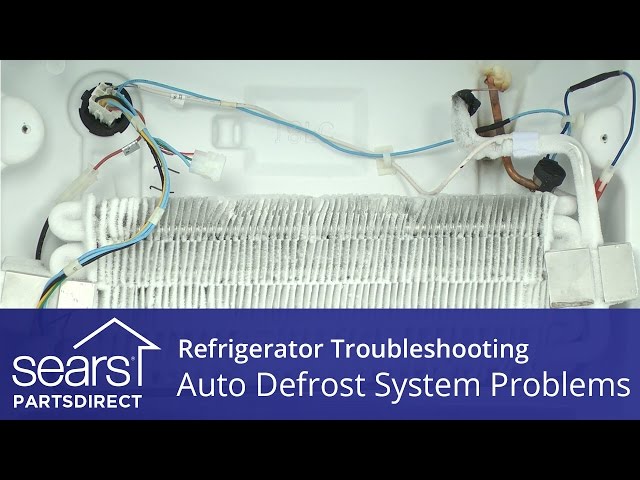
- Locate the Defrost Components: Consult your fridge’s manual or online diagrams to find the defrost timer, heater, and thermostat. These are usually located behind the back panel inside the freezer.
- Inspect the Defrost Heater: Look for signs of damage, such as broken wires or a burned-out element.
- Check the Defrost Thermostat: The thermostat is usually clipped to the evaporator coils. Check for physical damage.
- Locate the Defrost Timer: It might be near the temperature control or behind the kick plate at the bottom of the fridge. Older models have a dial; newer ones are electronic.
- Manually Activate Defrost: On older models, turn the defrost timer dial until it clicks into defrost mode. The fridge should stop cooling, and the heater should activate. Note how long it takes to enter and exit this mode. Newer fridges might require a different procedure to manually activate defrost mode. Refer to the refrigerator’s manual for instructions.
- Check the Defrost Drain: Locate the drain hole at the bottom of the freezer. It’s often covered with ice.
- Clear the Defrost Drain: Use a turkey baster with warm water to flush the drain and melt any ice blockage. You can also use a flexible wire or pipe cleaner to gently clear any debris.
- Clean the Condenser Coils: Locate the coils (usually on the back or bottom of the fridge) and vacuum them thoroughly.
- Inspect the Door Seal: Check the seal for any cracks, tears, or gaps. Clean the seal with warm, soapy water.
- Check Airflow: Make sure food items aren’t blocking vents inside the fridge and freezer.
- Reassemble the Freezer: Once you’ve checked and cleared the components, reassemble the freezer.
- Plug in the Refrigerator: Allow the fridge to run for 24 hours and monitor its performance.
Fix the Issue Without Buying Parts
Before considering replacements, try these free methods:
- Manual Defrost: Unplug the fridge and let all the ice melt completely. This can help reset the system.
- Clean Door Seals: Use warm, soapy water to remove any grime or debris from the door seals.
- Improve Airflow: Rearrange items in the fridge and freezer to ensure proper air circulation.
- Check Temperature Settings: Make sure the temperature is set correctly. A too-cold setting can cause excessive ice buildup.
- Refrigerator Reset: Unplug the fridge for 30 minutes, then plug it back in. This can sometimes reset the electronic control board.
When Replacement Might Be Necessary
If the above steps don’t solve the problem, certain components may need replacement. The defrost heater, defrost thermostat, and defrost timer are common culprits. Replacing these parts can range from $50 to $200 USD, depending on the fridge model and part availability. Before replacing expensive parts, consider consulting a qualified appliance repair technician to diagnose the specific issue. For more related activities, check out our Fridge Leaking Water Inside Top Shelf.
Safety Warning
- Always unplug the refrigerator before performing any repairs.
- Avoid standing in water while working on electrical appliances.
- Be careful when handling sharp objects or tools.
- If you’re uncomfortable working with electricity, call a qualified appliance repair technician.
Tools You May Need
- Screwdrivers (Phillips and flathead)
- Vacuum cleaner
- Turkey baster
- Warm water
- Flexible wire or pipe cleaner
FAQ
Q: Why is my freezer icing up so quickly?
A: This is likely due to a faulty door seal allowing warm air to enter, or a malfunctioning defrost system.
Q: How often should my fridge defrost itself?
A: Most refrigerators with automatic defrost cycle every 6 to 12 hours.
Q: Can a full freezer cause defrost problems?
A: Yes, overpacking can restrict airflow and contribute to ice buildup.
Q: How do I know if my defrost heater is working?
A: Carefully check for heat when you manually activate the defrost cycle. If the heater does not feel warm to the touch, it may have failed and require replacement.
Conclusion
Troubleshooting a fridge defrost problem can seem daunting, but by following these steps, you can often identify and resolve the issue yourself. Remember to prioritize safety and take your time. If you’re still experiencing problems after trying these solutions, it may be time to call a qualified appliance repair technician. Don’t give up on your fridge just yetmany defrost problems can be fixed with a little effort!
Youtube Video:
Quick Wiring Specifications & Terminal Guide
| Component / Circuit | Standard Wire Gauge | Recommended Protection |
|---|---|---|
| Control & Trigger Signals | 18 – 20 AWG | 5A – 7.5A Inline Fuse |
| Standard Auxiliary Load | 14 – 16 AWG | 15A – 20A Circuit Breaker |
| Main Power Feed / Supply | 10 – 12 AWG | 30A – 40A Heavy-Duty Relay |
Images References
Looking for more diagnostic guides? Explore our complete Refrigerator Problems 2 section for step-by-step troubleshooting solutions.
