Introduction
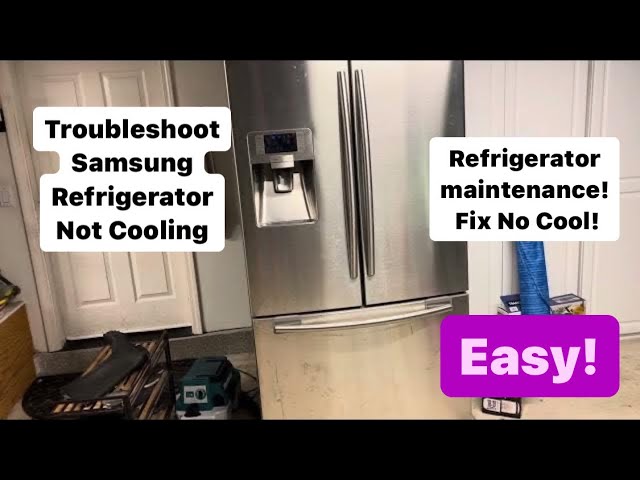
A Samsung freezer that isnt freezing properly can be a major headache. Not only does it put your food at risk of spoiling, leading to potential food waste and financial loss, but it also indicates a problem that needs immediate attention. Whether you’ve noticed ice cream softening, food not freezing solid, or the freezer feels warmer than usual, it’s crucial to diagnose and resolve the issue quickly. This guide will walk you through common causes and step-by-step troubleshooting to get your freezer back in working order.
Common Causes of Freezer Samsung Not Freezing
Several factors can cause your Samsung freezer to stop freezing effectively:
- Overloaded Freezer: Too many items packed tightly can block airflow, preventing proper cooling.
- Dirty Condenser Coils: Dust and debris on the coils reduce their ability to release heat.
- Faulty Door Seal: A damaged or dirty door seal allows warm air to enter, raising the freezer temperature.
- Incorrect Temperature Setting: The temperature setting may be set too high or accidentally adjusted.
- Blocked Vents: Vents inside the freezer can become blocked by food items, restricting airflow.
- Frost Buildup: Excessive frost buildup can insulate the freezer and hinder its cooling capacity.
- Faulty Start Relay: This part helps start the compressor, and if failing can result to the compressor not running.
- Compressor Problems: A malfunctioning compressor, the heart of the cooling system, can prevent proper freezing.
- Damaged Thermistor: A failing thermistor won’t read the temperature correctly and may cause issues with cooling cycles.
- Faulty Defrost System: If the defrost system isn’t working, ice will build up and prevent the freezer from cooling properly.
Symptoms Checklist
Use this checklist to accurately identify the issue:
- Freezer temperature is above 32F (0C).
- Food items are softening or not freezing solid.
- Ice cream is soft or melted.
- Excessive frost buildup inside the freezer.
- The freezer feels warmer than usual.
- The motor is running constantly or not at all.
- Unusual noises coming from the freezer.
- Water puddles around the freezer (indicating defrost issues).
- The door seal is damaged or not sealing properly.
How to Fix freezer samsung not freezing Step-by-Step Guide
- Check the Temperature Setting: Ensure the temperature setting is correct. The recommended setting is usually around 0F (-18C).
- Unplug the Freezer: For safety, unplug the freezer from the power outlet before performing any maintenance.
- Clean the Condenser Coils: Locate the condenser coils (usually on the back or bottom of the freezer). Use a vacuum cleaner with a brush attachment to remove dust and debris.
- Inspect the Door Seal: Examine the door seal for any cracks, tears, or debris. Clean the seal with a damp cloth and mild detergent. If damaged, it may need to be replaced (although consider other fixes first).
- Defrost the Freezer: If there’s excessive frost buildup, manually defrost the freezer. Remove all food, unplug the freezer, and leave the door open until the frost melts. You can speed up the process with a fan or by placing bowls of hot water inside.
- Check for Blocked Vents: Ensure that the vents inside the freezer are not blocked by food items. Rearrange items to allow proper airflow.
- Avoid Overloading the Freezer: Remove excess items to allow for better air circulation.
- Check the Freezer’s Location: Make sure the freezer has enough space around it for proper ventilation. Avoid placing it in direct sunlight or near heat sources.
- Listen to the Compressor: Is the compressor running? If not, there could be an electrical issue or a problem with the compressor itself.
- Check the Start Relay: The start relay assists the compressor. You’d need to access it and inspect it. If it’s burned or damaged, it’s a sign it needs replacing (consult a technician).
- Test the Thermistor: The thermistor measures temperature. You’ll need a multimeter to test its resistance (consult a technician for specific instructions for your model).
- Inspect the Defrost System: Check the defrost heater and defrost thermostat. If these components fail, the freezer may not defrost correctly, leading to ice buildup. Again, consult a technician for diagnosis.
- Power Cycle the Freezer: After performing the above steps, plug the freezer back in and allow it to run for 24 hours. Monitor the temperature to see if it returns to normal.
Fix the Issue Without Buying Parts
Before considering replacing parts, try these free and easy methods:
- Reset the Freezer: Unplug the freezer for 30 minutes, then plug it back in. This can reset the system and clear any minor glitches.
- Deep Cleaning: Regularly clean the interior of the freezer to prevent food buildup and ensure proper airflow.
- Recalibration (If Applicable): Some Samsung freezers have a calibration feature. Consult your user manual for instructions.
- Regular Inspection: Periodically check the door seal, condenser coils, and vents to catch potential problems early.
- Proper Maintenance: Avoid overloading the freezer and ensure proper ventilation to prevent future issues.
When Replacement Might Be Necessary
If you’ve tried all the troubleshooting steps and the freezer still isn’t freezing, a component replacement might be necessary. Common parts that fail include the compressor, start relay, thermistor, defrost heater, and door seal. The cost of replacing these parts can range from $50 to $500+, depending on the component and model. Before replacing anything, it’s advisable to consult with a qualified appliance repair technician.
Safety Warning
- Always unplug the freezer from the power outlet before performing any maintenance or repairs.
- Avoid working on electrical components if you are not qualified.
- Be cautious when handling tools and sharp objects.
- Keep the area around the freezer dry to avoid electric shock.
- Consult a qualified technician for complex repairs or if you are unsure about any step.
Tools You May Need
- Screwdriver (Phillips and flathead)
- Vacuum cleaner with brush attachment
- Damp cloth and mild detergent
- Multimeter (for testing electrical components – advanced)
- Gloves
FAQ
Q: Why is my Samsung freezer cold but not freezing?
A: This could be due to a faulty temperature sensor, blocked vents, or a problem with the defrost system. Check these components and ensure proper airflow.
Q: How often should I defrost my freezer?
A: If you have a manual defrost freezer, defrost it whenever the frost buildup exceeds inch. For frost-free freezers, check regularly and manually defrost if needed.
Q: What should I do if the door seal is damaged?
A: Clean the seal first. If it’s still not sealing properly, consider replacing it. A poorly sealed door allows warm air to enter, affecting the freezer’s efficiency.
Q: How can I tell if my freezer compressor is failing?
A: Signs of a failing compressor include the freezer not cooling properly, unusual noises, and the compressor running constantly or not at all. A technician can properly diagnose the compressor.
Conclusion
Troubleshooting a Samsung freezer that’s not freezing can seem daunting, but with this step-by-step guide, you can confidently diagnose and resolve many common issues. Remember to prioritize safety and follow the instructions carefully. Before incurring the cost of professional repair, exhaust these DIY methods first. Often, a simple fix like cleaning the condenser coils or defrosting the freezer can restore your freezer to its optimal performance.
Youtube Video:
Looking for more useful options?
Check out recommended resources that others find helpful.