
Introduction
Discovering that your Samsung freezer isn’t cooling while the fridge section works perfectly is a common household headache. It means your frozen food is at risk of thawing, potentially leading to spoilage and wasted money. This situation can arise from various issues, some simple to fix, others more complex. Addressing this problem quickly is crucial to prevent food loss and potential damage to your appliance.
💡 Technical Key Takeaways:
- Core Focus: Diagnostic schematic and terminal connection layout for Freezer Not Working But Fridge Is Fine Samsung.
- Target Scope: Field technicians, automotive DIYers, and residential/commercial electricians.
- Safety Rule: Always disconnect the primary power source/battery terminal and verify zero voltage with a multimeter before touching wires.
Common Causes of a Samsung Freezer Not Working
Here are some frequent reasons why your Samsung freezer might not be cooling:
- Frost Buildup: Excessive frost inside the freezer can block airflow, preventing proper cooling.
- Dirty Condenser Coils: Dust and debris on the condenser coils reduce their ability to dissipate heat.
- Faulty Defrost System: If the defrost system isn’t working, frost accumulates excessively.
- Damaged Door Seal: A worn or damaged door seal lets warm air in, affecting freezer temperature.
- Blocked Air Vents: Items stored in the freezer can block the vents that circulate cold air.
- Temperature Setting Issues: Incorrect temperature settings can cause cooling problems.
- Faulty Start Relay: The start relay helps the compressor start, and a faulty one can prevent cooling.
- Compressor Problems: The compressor is the heart of the cooling system, and a failing compressor causes serious issues.
- Damaged evaporator fan motor: If this is broken then it won’t be able to circulate the air.
- Control Board Malfunction: The control board manages all functions of the refrigerator, and malfunction can affect cooling.
Symptoms Checklist
Confirm the issue with these indicators:
- Freezer temperature is above freezing (32F or 0C).
- Food in the freezer is thawing or feels soft.
- Ice cream is no longer solid.
- The fridge section is cooling normally.
- You notice excessive frost buildup inside the freezer.
- The freezer fan isn’t running.
How to Fix a Samsung Freezer Not Working Step-by-Step Guide
Follow these steps to troubleshoot your freezer:
- Check the Temperature Settings: Ensure the freezer is set to the recommended temperature (usually around 0F or -18C).
- Inspect the Door Seal: Look for gaps or damage around the freezer door. Clean the seal with warm, soapy water.
- Check for Blocked Air Vents: Rearrange items in the freezer to ensure air vents aren’t blocked.
- Manually Defrost the Freezer: If there’s excessive frost, unplug the fridge and let the freezer defrost completely (24-48 hours).
- Clean the Condenser Coils: Locate the condenser coils (usually at the back or bottom of the fridge) and clean them with a vacuum cleaner and brush. Unplug the fridge before cleaning!
- Reset the Refrigerator: Unplug the fridge for 5-10 minutes to reset the system.
- Listen to the Compressor: Is the compressor running? If not, the start relay might be faulty.
- Check the Defrost Timer: If your model has a defrost timer, ensure it’s functioning correctly. (Refer to your owner’s manual for location).
- Inspect the Evaporator Fan: Open the freezer and listen to see if the fan is running. If it isn’t, the motor could be damaged.
- Check the Start Relay: The start relay can be checked to see if it’s burnt out.
- Check the Control Board: If all other steps fail, the control board might be malfunctioning. Contact a qualified technician.
Fix the Issue Without Buying Parts
Often, you can resolve the issue without replacements:
- Complete Defrosting: Allowing complete defrosting addresses most temporary problems.
- Coil Cleaning: Regular cleaning of condenser coils keeps the system running efficiently.
- Proper Airflow: Arranging items to ensure proper airflow can prevent future issues.
- Door Seal Maintenance: Keeping the door seal clean and intact prevents warm air from entering.
- Refrigerator Reset: Resetting the system can clear minor glitches.
When Replacement Might Be Necessary
If the problem persists after troubleshooting, you might need to replace a part. Here are some common failing parts:
- Defrost Timer: $30 – $70 USD.
- Start Relay: $20 – $50 USD.
- Door Seal: $50 – $150 USD.
- Evaporator Fan Motor: $50 – $100 USD.
- Control Board: $100 – $300 USD. (Best to leave to the professionals)
Safety Warning
Follow these safety precautions:
- Always unplug the refrigerator before performing any maintenance or repairs.
- Avoid working with electrical components if you are not experienced.
- Keep the floor dry to prevent electric shock.
- Wear gloves to protect your hands.
Tools You May Need
Here are some helpful tools:
- Screwdrivers (Phillips and flathead)
- Vacuum cleaner with brush attachment
- Warm water and soap
- Multimeter (for testing electrical components)
- Gloves
FAQ
Here are some common questions and answers:
- Q: Why is my freezer warm but the fridge is cold? A: It could be due to frost buildup, blocked air vents, or a faulty defrost system.
- Q: How often should I clean the condenser coils? A: At least every 6 months.
- Q: Can a full freezer affect its cooling ability? A: Yes, overpacking can block airflow.
- Q: Is it normal for the freezer to make noise? A: Some noise is normal, but excessive noise can indicate a problem.
Conclusion
Troubleshooting a Samsung freezer that isn’t cooling while the fridge works can seem daunting, but by following these steps, you can often identify and resolve the issue yourself. Before calling a technician, try these fixes. You might save time and money while extending the life of your appliance!
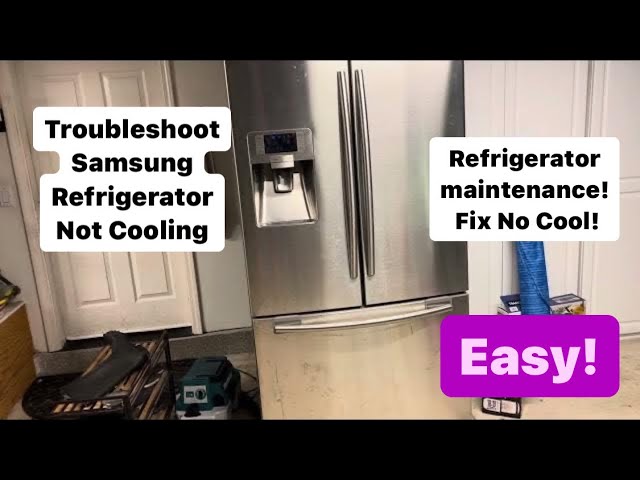
Youtube Video:
Quick Wiring Specifications & Terminal Guide
| Component / Circuit | Standard Wire Gauge | Recommended Protection |
|---|---|---|
| Control & Trigger Signals | 18 – 20 AWG | 5A – 7.5A Inline Fuse |
| Standard Auxiliary Load | 14 – 16 AWG | 15A – 20A Circuit Breaker |
| Main Power Feed / Supply | 10 – 12 AWG | 30A – 40A Heavy-Duty Relay |
Images References
Looking for more diagnostic guides? Explore our complete Refrigerator Problems 2 section for step-by-step troubleshooting solutions.
