
Introduction
A freezer that isn’t defrosting properly can be a real headache. Ice buildup reduces storage space, makes it harder to find items, and even forces your freezer to work harder, wasting energy and potentially shortening its lifespan. This commonly happens when the defrost system malfunctions, or air is entering the freezer frequently. Ignoring this problem can lead to spoiled food and expensive repairs, so it’s important to address it promptly.
💡 Technical Key Takeaways:
- Core Focus: Diagnostic schematic and terminal connection layout for Freezer Not Defrosting Properly.
- Target Scope: Field technicians, automotive DIYers, and residential/commercial electricians.
- Safety Rule: Always disconnect the primary power source/battery terminal and verify zero voltage with a multimeter before touching wires.
Common Causes of Freezer Not Defrosting Properly
Here are some of the most common reasons why your freezer isn’t defrosting like it should:
- Defrost Timer Malfunction: The timer controls when the defrost cycle starts. If it’s broken, the freezer may not defrost at all.
- Defrost Heater Failure: The heater melts the ice buildup during the defrost cycle. If it burns out, ice will accumulate.
- Defrost Thermostat Problems: This thermostat monitors the temperature of the evaporator coils and activates the defrost heater. A faulty thermostat can prevent the heater from turning on.
- Blocked Defrost Drain: Ice and debris can clog the drain, preventing water from escaping during the defrost cycle. This water can then refreeze, adding to the ice buildup.
- Faulty Door Seal: If the door seal is damaged, warm, moist air can enter the freezer, leading to excessive ice formation.
- Overcrowding: Packing the freezer too tightly can restrict airflow and prevent proper defrosting.
- Frequent Door Openings: Opening the freezer door frequently lets warm air in, which then condenses and freezes.
- Damaged Wiring: Corroded or damaged wires to the defrost system components can cause them to fail.
Symptoms Checklist
Here’s how to identify if your freezer isn’t defrosting properly:
- Excessive ice buildup on the back wall of the freezer.
- Food containers are covered in ice crystals.
- The freezer is running constantly.
- The freezer feels warmer than usual.
- Water pooling on the floor beneath or inside the freezer.
How to Fix Freezer Not Defrosting Properly Step-by-Step Guide
- Unplug the Freezer: Always disconnect the power before working on any appliance. This is crucial for your safety.
- Empty the Freezer: Remove all food items to allow access to the back panel and prevent them from spoiling. Store them in a cooler with ice packs.
- Locate the Back Panel: In most freezers, the defrost system components are located behind a panel on the back wall.
- Remove the Back Panel: Use a screwdriver to carefully remove the screws holding the panel in place. Be gentle to avoid damaging anything.
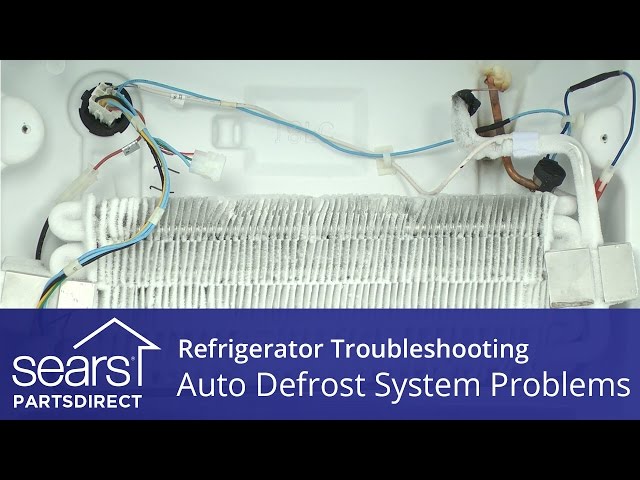
- Inspect the Defrost Heater: The heater is usually a metal coil or a glass tube located near the evaporator coils. Look for any signs of damage, such as breaks or burns.
- Check the Defrost Thermostat: This is a small, round or rectangular component clipped to the evaporator coils. Make sure it’s securely attached and shows no signs of damage.
- Locate the Defrost Drain: This is usually a small hole at the bottom of the freezer compartment.
- Clear the Defrost Drain: Use a turkey baster filled with warm water to flush out any ice or debris blocking the drain. You can also use a pipe cleaner to gently clear the blockage.
- Inspect the Door Seal: Check the rubber seal around the freezer door for any cracks, tears, or gaps. A damaged seal allows warm air to enter the freezer.
- Clean the Door Seal: Wipe down the door seal with a damp cloth to remove any dirt or debris that might be preventing a tight seal.
- Reassemble the Freezer: Once you’ve inspected and cleaned the components, carefully reattach the back panel.
- Plug in the Freezer: Reconnect the power and monitor the freezer’s performance.
- Monitor Freezer Temperature: After a few hours, check the freezer temperature to ensure it’s cooling properly. It should be around 0F (-18C).
Fix the Issue Without Buying Parts
Before you consider replacing any parts, try these free methods:
- Manual Defrost: Completely defrost the freezer by unplugging it and letting the ice melt naturally. This can reset the system and clear any minor blockages.
- Cleaning: Thoroughly clean the interior of the freezer to remove any food debris that might be contributing to ice buildup.
- Door Seal Adjustment: If the door seal is loose, try gently adjusting it or using a hairdryer to soften it and improve the seal.
- Proper Loading: Avoid overpacking the freezer, as this can restrict airflow. Arrange items so air can circulate freely.
- Minimize Door Openings: Try to open the freezer door as infrequently as possible to reduce the amount of warm air entering.
When Replacement Might Be Necessary
If the troubleshooting steps above don’t solve the problem, you might need to replace a faulty component. Common parts that fail include the defrost heater (estimated cost: $30-$70), the defrost thermostat ($15-$40), or the defrost timer ($20-$50). If you’re not comfortable replacing these parts yourself, it’s best to call a qualified appliance repair technician.
Safety Warning
- Always unplug the freezer before working on it.
- Avoid touching any electrical components with wet hands.
- Be careful when handling sharp tools or removing screws.
- If you’re unsure about any step, consult a qualified technician.
Tools You May Need
- Screwdriver (Phillips and flathead)
- Turkey baster
- Pipe cleaner
- Damp cloth
- Multimeter (optional, for testing electrical components)
FAQ
Here are some frequently asked questions about freezers not defrosting properly:
-
Q: How often should a freezer defrost?
A: Most freezers with automatic defrost cycle 1-4 times per day, depending on the model and usage. -
Q: Can a full freezer cause defrosting problems?
A: Yes, overpacking can restrict airflow, leading to ice buildup and defrosting issues. -
Q: How do I test a defrost heater?
A: Use a multimeter to check for continuity. If there’s no continuity, the heater is likely faulty. -
Q: Why is water leaking from my freezer after defrosting?
A: This usually indicates a blocked defrost drain. Clear the drain with warm water.
Conclusion
Troubleshooting a freezer that’s not defrosting properly can seem daunting, but with a little patience and these steps, you can often resolve the issue yourself. Always prioritize safety and remember to unplug the appliance before starting any repairs. If you’ve tried these methods and the problem persists, it’s best to call a qualified technician to avoid further damage or potential hazards.
Youtube Video:
Quick Wiring Specifications & Terminal Guide
| Component / Circuit | Standard Wire Gauge | Recommended Protection |
|---|---|---|
| Control & Trigger Signals | 18 – 20 AWG | 5A – 7.5A Inline Fuse |
| Standard Auxiliary Load | 14 – 16 AWG | 15A – 20A Circuit Breaker |
| Main Power Feed / Supply | 10 – 12 AWG | 30A – 40A Heavy-Duty Relay |
Images References
Looking for more diagnostic guides? Explore our complete Refrigerator Problems 2 section for step-by-step troubleshooting solutions.
