
Introduction
A freezer that’s making strange noises and failing to keep your food frozen is a frustrating problem. It can lead to spoiled food, wasted money, and unnecessary stress. This guide will walk you through the most common causes of this issue, allowing you to troubleshoot and potentially fix the problem yourself before calling a repair technician. Addressing this promptly is crucial to prevent further food spoilage and potential appliance damage.
💡 Technical Key Takeaways:
- Core Focus: Diagnostic schematic and terminal connection layout for Freezer Making Noise And Not Cooling.
- Target Scope: Field technicians, automotive DIYers, and residential/commercial electricians.
- Safety Rule: Always disconnect the primary power source/battery terminal and verify zero voltage with a multimeter before touching wires.
Common Causes of Freezer Making Noise and Not Cooling
Several factors can contribute to a noisy and warm freezer:
- Dirty Condenser Coils: Dust and debris on the coils hinder heat dissipation, making the freezer work harder and louder.
- Frost Buildup: Excessive frost inside the freezer insulates the cooling elements and prevents proper cooling.
- Faulty Door Seal: A damaged or improperly sealed door allows warm air to enter, forcing the freezer to work overtime.
- Blocked Vent: Vents inside the freezer circulate cold air. Blockages restrict airflow, leading to uneven cooling.
- Overloaded Freezer: Packing the freezer too full restricts airflow, impacting cooling efficiency.
- Faulty Condenser Fan Motor: The condenser fan cools the condenser coils. A failing motor will create noise and reduce cooling.
- Faulty Evaporator Fan Motor: The evaporator fan circulates cold air inside the freezer. A failing motor will create noise and reduce cooling.
- Compressor Issues: The compressor is the heart of the cooling system. A failing compressor may generate excessive noise and not cool.
- Defrost System Problems: A malfunctioning defrost system can lead to excessive frost buildup.
Symptoms Checklist
Check for these indicators to accurately identify the problem:
- The freezer is making unusual noises (humming, clicking, rattling, buzzing).
- The freezer feels warmer than usual.
- Food is thawing or not staying frozen.
- Excessive frost buildup inside the freezer.
- The freezer runs constantly.
- The exterior of the freezer is unusually hot.
- Water is leaking from the freezer.
How to Fix Freezer Making Noise and Not Cooling Step-by-Step Guide
Follow these steps to troubleshoot the issue:
- Unplug the Freezer: Disconnect the freezer from the power outlet for safety.
- Empty the Freezer: Remove all food items and store them in a cooler or another freezer.
- Inspect the Door Seal: Check the door seal for cracks, tears, or debris. Clean the seal with warm, soapy water.
- Clean the Condenser Coils: Locate the condenser coils (usually on the back or bottom of the freezer). Use a vacuum cleaner with a brush attachment to remove dust and debris.
- Defrost the Freezer: If there’s excessive frost buildup, manually defrost the freezer. Leave the door open and place towels inside to absorb melting water.
- Check the Vent: Ensure the vents inside the freezer are not blocked by food items.
- Inspect the Condenser Fan: Locate the condenser fan (usually near the compressor). Check if the fan blades are obstructed. If not, try spinning the blades by hand. If they don’t spin freely, the motor may be faulty.
- Inspect the Evaporator Fan: Open the freezer and listen for the evaporator fan (usually located behind a panel inside the freezer). If you don’t hear it running, the motor may be faulty.
- Check the Freezer Level: Make sure the freezer is level. Use a level to confirm, and adjust the feet accordingly. An unlevel freezer can cause excessive noise.
- Check for Overloading: Ensure the freezer isn’t overloaded. Remove some items to allow for better air circulation.
- Check the Temperature Setting: Verify the temperature setting is appropriate for your freezer (typically around 0F or -18C).
- Plug the Freezer Back In: Reconnect the freezer to the power outlet.
- Monitor the Freezer: Observe the freezer for several hours to see if the noise and cooling issues have been resolved.
- Give It Time: It can take up to 24 hours for the freezer to reach its optimal temperature after a defrost.
Fix the Issue Without Buying Parts
Before considering replacing parts, try these free methods:
- Reset: Unplug the freezer for 30 minutes to reset the system.
- Cleaning: Thoroughly clean the door seal, condenser coils, and interior of the freezer.
- Recalibration: If your freezer has a temperature control dial, make sure it’s properly calibrated. You may need to experiment with different settings.
- Inspection Tips: Regularly inspect the door seal for damage and clean the condenser coils.
- Maintenance Basics: Avoid overloading the freezer and ensure proper ventilation.
When Replacement Might Be Necessary
If the above steps don’t resolve the problem, the following parts might need replacement:
- Condenser Fan Motor: $50 – $150
- Evaporator Fan Motor: $50 – $150
- Door Seal: $30 – $100
- Compressor: $200 – $500 (Requires professional installation)
Replacing the compressor is usually not a DIY project. If the compressor is failing, it might be more economical to replace the entire freezer, especially if it’s an older model. For more related activities, check out our Fridge Leaking Water Inside Top Shelf.
Safety Warning
- Always unplug the freezer before performing any maintenance or repairs.
- Avoid working on electrical components with wet hands or on wet floors.
- Be careful when handling sharp objects, such as screwdrivers.
- If you are uncomfortable performing any of these tasks, consult a qualified appliance repair technician.
Tools You May Need
- Screwdriver (Phillips and flathead)
- Vacuum cleaner with brush attachment
- Warm, soapy water and a cloth
- Level
- Towels
FAQ
Here are some frequently asked questions:
- Q: Why is my freezer making a loud humming noise? A: The humming noise could be due to a failing condenser fan motor or a compressor issue. Clean the condenser coils first.
- Q: Why is my freezer warm even though the light is on? A: This could be due to a faulty door seal, frost buildup, or a problem with the compressor.
- Q: How often should I defrost my freezer? A: Manually defrost your freezer when the frost buildup exceeds 1/4 inch.
- Q: How do I clean the condenser coils? A: Unplug the freezer and use a vacuum cleaner with a brush attachment to remove dust and debris from the coils.
- Q: What temperature should my freezer be set to? A: The ideal freezer temperature is around 0F (-18C).
Conclusion
Troubleshooting a noisy and warm freezer can seem daunting, but by following these steps, you can often identify and resolve the issue yourself. Remember to start with the simplest solutions, such as cleaning and defrosting, before considering more complex repairs. If you’re still having trouble after trying these steps, don’t hesitate to call a qualified appliance repair technician for assistance.
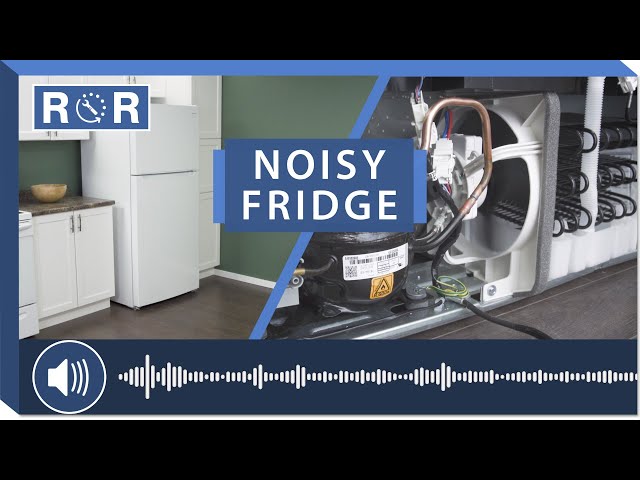
Youtube Video:
Quick Wiring Specifications & Terminal Guide
| Component / Circuit | Standard Wire Gauge | Recommended Protection |
|---|---|---|
| Control & Trigger Signals | 18 – 20 AWG | 5A – 7.5A Inline Fuse |
| Standard Auxiliary Load | 14 – 16 AWG | 15A – 20A Circuit Breaker |
| Main Power Feed / Supply | 10 – 12 AWG | 30A – 40A Heavy-Duty Relay |
Images References
Looking for more diagnostic guides? Explore our complete Refrigerator Problems 2 section for step-by-step troubleshooting solutions.
