
Introduction
Its a frustrating kitchen scenario: you open your freezer to find everything rock-solid, while the milk in your fridge is lukewarm. This “freezer is too cold and fridge is warm” problem can lead to food spoilage, wasted energy, and unnecessary stress. This issue needs addressing promptly because food safety is compromised when the fridge is too warm. Getting your refrigerator back to its optimal temperature is crucial for preserving your groceries and avoiding foodborne illnesses.
💡 Technical Key Takeaways:
- Core Focus: Diagnostic schematic and terminal connection layout for Freezer Is Too Cold And Fridge Is Warm.
- Target Scope: Field technicians, automotive DIYers, and residential/commercial electricians.
- Safety Rule: Always disconnect the primary power source/battery terminal and verify zero voltage with a multimeter before touching wires.
Common Causes of freezer is too cold and fridge is warm
Several factors can contribute to this temperature imbalance:
- Blocked Air Vents: These vents allow cold air to flow from the freezer to the fridge. Obstructions prevent proper circulation.
- Faulty Damper Control: The damper controls how much cold air flows into the fridge. If stuck open, the freezer gets too much cold air, and the fridge gets too little.
- Dirty Condenser Coils: Located at the back or bottom of the fridge, these coils release heat. When covered in dust, they cannot dissipate heat effectively.
- Door Seal Problems: Damaged or dirty door seals allow warm air to enter the fridge, forcing the system to overcompensate by overcooling the freezer.
- Overpacked Freezer: An overly full freezer can disrupt airflow, leading to uneven temperature distribution.
- Faulty Evaporator Fan Motor: This fan circulates air within the freezer. If it fails, cold air can’t reach the fridge effectively.
- Temperature Setting Issues: Accidentally setting the freezer to the coldest setting can cause this imbalance.
- Defrost System Problems: If the defrost system malfunctions, ice can build up and block airflow.
Symptoms Checklist
Use this checklist to confirm the issue:
- Freezer items are frozen solid, even ice cream is rock hard.
- Fridge items are not cold enough, milk and other perishables spoil quickly.
- You might notice condensation or frost build-up inside the fridge.
- The refrigerator motor runs constantly.
- The back panel inside the freezer might be heavily frosted.
How to Fix freezer is too cold and fridge is warm Step-by-Step Guide
Follow these steps to troubleshoot the problem:
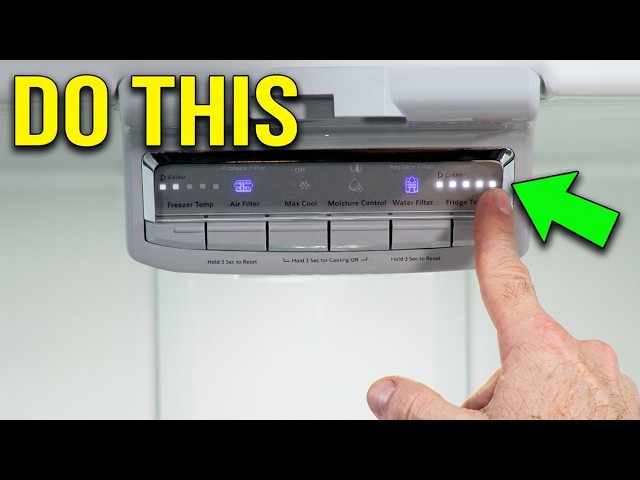
- Check Temperature Settings: Ensure both freezer and fridge are set to recommended temperatures (typically 0F/-18C for the freezer and 37F/3C for the fridge).
- Clean Condenser Coils: Unplug the fridge and locate the coils (usually on the back or bottom). Use a vacuum cleaner with a brush attachment to remove dust and debris.
- Inspect and Clear Air Vents: Locate the air vents between the freezer and fridge compartments. Remove any obstructions like food containers blocking the vents.
- Examine Door Seals: Check the door seals for damage, cracks, or gaps. Clean them with warm soapy water and ensure they seal tightly when the doors are closed. A simple test is to close the door on a dollar bill; if you can easily pull the bill out, the seal may need attention.
- Reduce Freezer Overload: Remove some items from the freezer to improve airflow.
- Test the Damper Control (if accessible): Some refrigerators have a visible damper control. If so, manually adjust it to see if it affects the fridge temperature. If it doesn’t seem to move or function correctly, it might be faulty.
- Listen to the Evaporator Fan: Open the freezer door and listen for the evaporator fan running. If you don’t hear it, the motor might be failing.
- Check the Defrost Timer (if accessible): Some older refrigerators have a defrost timer. You can manually advance it to the defrost cycle to see if the defrost heater turns on.
- Unplug and Reset: Unplug the refrigerator for 24 hours. This can sometimes reset the system and resolve minor issues.
- Look for ice build up in freezer: Heavy ice in the freezer will restrict the air flow. Try manual defrost if possible.
Fix the Issue Without Buying Parts
Before considering replacements, try these free methods:
- Reset: Unplugging the fridge for an extended period can sometimes resolve issues.
- Cleaning: Regularly clean condenser coils and door seals to maintain efficiency.
- Recalibration: After adjusting temperature settings, allow 24 hours for the fridge to stabilize.
- Inspection Tips: Regularly check for blocked vents and ice build-up.
- Maintenance Basics: Don’t overpack the freezer and keep the fridge organized to promote airflow.
When Replacement Might Be Necessary
If the above steps don’t solve the problem, certain parts might need replacing. These include the damper control ($50-$150), evaporator fan motor ($40-$100), or defrost heater ($30-$80). Consulting a qualified appliance repair technician for diagnosis is recommended before replacing parts, as misdiagnosis can be costly. For more related activities, check out our Fridge Leaking Water Inside Top Shelf.
Safety Warning
- Always unplug the refrigerator before performing any repairs.
- Avoid working on electrical components with wet hands or on wet floors.
- Be careful when handling sharp objects or tools.
Tools You May Need
- Screwdrivers (Phillips and flathead)
- Vacuum cleaner with brush attachment
- Warm water and mild detergent
- Soft cloth or sponge
FAQ
Here are some frequently asked questions:
-
Q: How long should I wait after adjusting the temperature to see results?
A: Allow 24 hours for the temperature to stabilize. -
Q: How often should I clean the condenser coils?
A: Clean the coils every 6 months, or more frequently if you have pets. -
Q: What if my door seals are cracked?
A: Replace the seals as soon as possible to maintain efficiency. -
Q: Why is my refrigerator motor running constantly?
A: This could indicate a problem with airflow, condenser coils, or door seals.
Conclusion
Don’t panic when your freezer is too cold and your fridge is warm! By following these troubleshooting steps, you can often resolve the issue yourself and save money on costly repairs. If the problem persists after trying these solutions, it’s best to consult a qualified appliance repair technician for further assistance. Good luck!
Youtube Video:
Quick Wiring Specifications & Terminal Guide
| Component / Circuit | Standard Wire Gauge | Recommended Protection |
|---|---|---|
| Control & Trigger Signals | 18 – 20 AWG | 5A – 7.5A Inline Fuse |
| Standard Auxiliary Load | 14 – 16 AWG | 15A – 20A Circuit Breaker |
| Main Power Feed / Supply | 10 – 12 AWG | 30A – 40A Heavy-Duty Relay |
Images References
Looking for more diagnostic guides? Explore our complete Refrigerator Problems 2 section for step-by-step troubleshooting solutions.
