
Introduction
A freezer that’s too cold might seem like a minor problem, but it can lead to freezer burn, ruined food, and higher energy bills. When your freezer is colder than the ideal temperature (around 0F or -18C), it means your appliance is working harder than necessary. This not only wastes energy but can also damage certain foods. If you notice your food is excessively frozen, ice crystals are forming rapidly, or the freezer seems to be running constantly, it’s time to investigate. Addressing this issue promptly can save you money and prevent food spoilage.
💡 Technical Key Takeaways:
- Core Focus: Diagnostic schematic and terminal connection layout for Freezer Getting Too Cold.
- Target Scope: Field technicians, automotive DIYers, and residential/commercial electricians.
- Safety Rule: Always disconnect the primary power source/battery terminal and verify zero voltage with a multimeter before touching wires.
Common Causes of Freezer Getting Too Cold
Here are some common culprits behind an overly cold freezer:
- Temperature Control Dial: Sometimes, the temperature dial gets accidentally bumped to a lower setting.
- Damaged Temperature Sensor: The sensor might be malfunctioning and sending incorrect temperature readings to the control board.
- Faulty Thermostat: The thermostat regulates the temperature. A faulty one might not shut off the cooling cycle when it should.
- Control Board Issues: The control board manages the freezer’s overall operation. A malfunction here can lead to over-cooling.
- Airflow Obstruction: Blocked vents inside the freezer can disrupt airflow and cause uneven temperatures.
- Dirty Condenser Coils: Dirty coils reduce the freezer’s ability to release heat, causing it to overwork and over-cool.
- Defrost System Problem: If the defrost system isn’t working correctly, ice can build up and affect temperature regulation.
- Door Seal Issues: A damaged door seal allows cold air to escape, forcing the freezer to work harder to maintain the set temperature.
Symptoms Checklist
Here’s what to look for to confirm your freezer is too cold:
- Food is frozen solid, even items that shouldn’t be.
- Excessive ice crystals form on food packaging.
- The freezer runs almost constantly without cycling off.
- The temperature inside the freezer is significantly lower than the set point (check with a thermometer).
- Ice cream is rock hard and difficult to scoop.
How to Fix Freezer Getting Too Cold Step-by-Step Guide
Follow these steps to troubleshoot your overly cold freezer:
- Check the Temperature Control Dial: Make sure the dial is set to the recommended setting (usually a middle setting or a number around “3” or “4”).
- Give it Time to Adjust: After adjusting the temperature, wait 24 hours to see if the freezer stabilizes.
- Clean the Condenser Coils: Unplug the freezer. Locate the condenser coils (usually on the back or bottom). Use a vacuum cleaner with a brush attachment to remove dust and debris.
- Check the Door Seal: Inspect the rubber seal around the freezer door. Look for cracks, tears, or gaps. Clean the seal with warm, soapy water.
- Ensure Proper Airflow: Make sure the vents inside the freezer are not blocked by food containers. Rearrange items to allow air to circulate freely.
- Manual Defrost (If Applicable): If your freezer isn’t frost-free, manually defrost it to remove any excess ice buildup.
- Test the Thermostat (Advanced): Note: Only attempt this if you are comfortable working with electrical components. Locate the thermostat. Using a multimeter, check for continuity. If there’s no continuity, the thermostat is likely faulty.
- Inspect the Temperature Sensor (Advanced): Note: Only attempt this if you are comfortable working with electrical components. Locate the temperature sensor. Use a multimeter to check its resistance. Compare the reading to the manufacturer’s specifications.
- Power Cycle the Freezer: Unplug the freezer for 30 minutes, then plug it back in. This can sometimes reset the control board.
- Check the Defrost Timer (If Applicable): If your freezer has a defrost timer, ensure it’s functioning correctly. You should hear a clicking sound as it advances.
- Avoid Overfilling: Don’t overpack the freezer, as this can restrict airflow.
- Ensure Proper Ventilation Around the Freezer: Make sure the freezer has enough space around it for proper ventilation.
Fix the Issue Without Buying Parts
Before considering replacing parts, try these free methods:
- Reset: Unplugging and plugging back in the freezer after 30 minutes can sometimes reset the system.
- Cleaning: Regularly clean the condenser coils and door seals.
- Recalibration: Adjust the temperature dial and give the freezer time to stabilize.
- Inspection Tips: Regularly inspect the door seal, airflow vents, and ice buildup.
- Maintenance Basics: Don’t overfill the freezer, and ensure proper ventilation around the unit.
When Replacement Might Be Necessary
If none of the above steps work, a faulty temperature sensor, thermostat, or control board might require replacement. Replacing a temperature sensor typically costs between $50 and $100. A thermostat replacement can range from $80 to $150. Replacing the control board can be more expensive, costing between $150 and $300. Consult a qualified appliance repair technician for accurate diagnosis and part replacement. For more related activities, check out our Fridge Leaking Water Inside Top Shelf.
Safety Warning
- Always unplug the freezer before performing any maintenance or repairs.
- Avoid working on electrical components if you’re not comfortable. Call a professional.
- Be careful when handling sharp tools or electrical testers.
- Keep the work area dry to prevent electrical shock.
Tools You May Need
Here’s a list of tools that might be helpful:
- Screwdrivers (Phillips and flathead)
- Vacuum cleaner with brush attachment
- Warm water and soap
- Clean cloth or sponge
- Multimeter (for advanced testing)
FAQ
Here are some frequently asked questions about overly cold freezers:
- Q: Why is my freezer frosting up even though it’s frost-free? A: The door seal might be damaged, allowing moisture to enter. Check and clean or replace the seal.
- Q: How do I know if my thermostat is bad? A: Use a multimeter to check for continuity. If there’s no continuity, the thermostat is likely faulty.
- Q: Can a dirty freezer cause it to get too cold? A: Yes, dirty condenser coils can cause the freezer to overwork and over-cool.
- Q: How long should I wait after adjusting the temperature dial to see a change? A: Wait at least 24 hours.
Conclusion
Fixing a freezer that’s getting too cold is often a straightforward process. By following these steps, you can diagnose the problem and potentially fix it yourself, saving money and preventing food waste. If you’re not comfortable with any of these steps, don’t hesitate to call a qualified appliance repair technician for assistance.
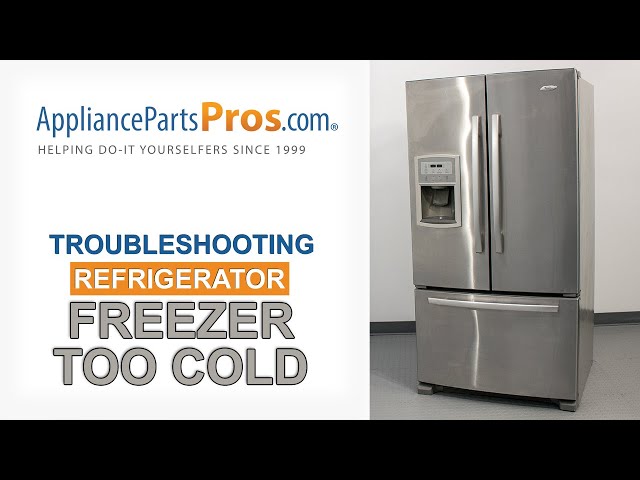
Youtube Video:
Quick Wiring Specifications & Terminal Guide
| Component / Circuit | Standard Wire Gauge | Recommended Protection |
|---|---|---|
| Control & Trigger Signals | 18 – 20 AWG | 5A – 7.5A Inline Fuse |
| Standard Auxiliary Load | 14 – 16 AWG | 15A – 20A Circuit Breaker |
| Main Power Feed / Supply | 10 – 12 AWG | 30A – 40A Heavy-Duty Relay |
Images References
Looking for more diagnostic guides? Explore our complete Refrigerator Problems 2 section for step-by-step troubleshooting solutions.
