
Introduction
Is your freezer looking like a winter wonderland, but your refrigerator is feeling more like a warm spring day? This common problem a freezer frosting up while the refrigerator isn’t cold enough can be frustrating and lead to spoiled food. It often starts subtly, with a gradual increase in frost and a slight warming in the fridge. Addressing this issue quickly is crucial to prevent food spoilage and avoid more costly repairs down the line. Ignoring it can lead to a complete refrigerator failure, resulting in significant inconvenience and expense. Explore more in our Refrigerator Problems 2 collection.
💡 Technical Key Takeaways:
- Core Focus: Diagnostic schematic and terminal connection layout for Freezer Frosting Up Refrigerator Not Cold.
- Target Scope: Field technicians, automotive DIYers, and residential/commercial electricians.
- Safety Rule: Always disconnect the primary power source/battery terminal and verify zero voltage with a multimeter before touching wires.
Common Causes of freezer frosting up refrigerator not cold
Here are some of the most frequent culprits behind this problem:
- Door Seals: Damaged or dirty door seals allow warm air to enter, causing frost buildup and hindering cooling.
- Overpacked Freezer: Too many items in the freezer can restrict airflow, leading to uneven temperatures and frost.
- Blocked Vents: Vents that circulate cold air between the freezer and fridge can become blocked by food or ice, preventing proper cooling.
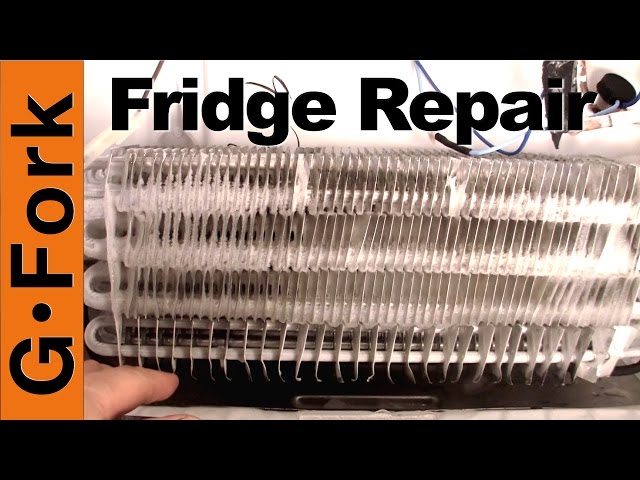
- Faulty Defrost System: The defrost system melts frost buildup. If it fails, ice accumulates rapidly.
- Dirty Condenser Coils: Dust and debris on the condenser coils hinder heat dissipation, reducing cooling efficiency.
- Incorrect Temperature Settings: Setting the temperature too low can cause excessive frost buildup.
- Door Left Open: Accidentally leaving the refrigerator or freezer door ajar allows warm, humid air to enter, leading to frosting.
- Damaged Door Hinges: If the door hinges are loose or damaged, the door might not seal properly, letting warm air in.
Symptoms Checklist
Look for these signs to confirm the issue:
- Excessive frost buildup in the freezer.
- Refrigerator compartment not cold enough.
- Food in the refrigerator spoiling faster than usual.
- Ice crystals forming on food in the refrigerator.
- Unusual noises coming from the refrigerator.
- The refrigerator running more frequently than normal.
How to Fix freezer frosting up refrigerator not cold Step-by-Step Guide
Follow these steps to troubleshoot the problem:
- Check Door Seals: Carefully inspect the rubber seals around both the freezer and refrigerator doors. Look for cracks, tears, or stiffness. Clean them with warm, soapy water and a soft cloth.
- Assess Freezer Contents: Remove excess items from the freezer to improve airflow. Ensure items aren’t blocking vents.
- Locate and Clear Vents: Find the vents inside the freezer and refrigerator that allow air to circulate between the two compartments. Use a soft cloth or vacuum cleaner attachment to remove any obstructions.
- Inspect Temperature Settings: Ensure the temperature settings for both the freezer and refrigerator are correct. Consult your refrigerator’s manual for recommended settings.
- Unplug and Defrost: Unplug the refrigerator completely. Leave the doors open and allow the freezer to defrost naturally. This may take several hours. Place towels around the base of the refrigerator to absorb melting water.
- Clean the Interior: Once defrosted, thoroughly clean the interior of both the freezer and refrigerator with a solution of baking soda and water.
- Check Condenser Coils: Locate the condenser coils (usually on the back or bottom of the refrigerator). Unplug the refrigerator and use a vacuum cleaner with a brush attachment to remove dust and debris from the coils.
- Test Door Closure: Close both the freezer and refrigerator doors and check for a tight seal. Place a piece of paper between the door and the frame and try to pull it out. If the paper slides out easily, the seal may need attention.
- Check Door Hinges: Examine the door hinges for looseness or damage. Tighten any loose screws.
- Listen for the Defrost Cycle: After plugging back in, listen for the defrost cycle to kick in periodically. Usually after many hours of operation.
- Give it Time: After completing these steps, allow the refrigerator 24-48 hours to stabilize and reach the correct temperature.
- Monitor Performance: Keep an eye on the freezer for frost buildup and the refrigerator for proper cooling.
Fix the Issue Without Buying Parts
Here are some free methods to try:
- Reset: Unplug the refrigerator for 30 minutes and then plug it back in. This can sometimes reset the control board and resolve minor issues.
- Cleaning: Regularly clean the door seals, interior, and condenser coils to maintain optimal performance.
- Recalibration: Some refrigerators have a recalibration feature. Consult your owner’s manual for instructions.
- Inspection Tips: Visually inspect the refrigerator regularly for signs of frost buildup, leaks, or damage.
- Maintenance Basics: Keep the refrigerator well-ventilated and avoid overcrowding it with food.
When Replacement Might Be Necessary
If the problem persists after trying the above steps, a faulty component may be the culprit. Possible failing parts include:. For more related activities, check out our Fridge Making Squeaking Noise.
- Defrost heater
- Defrost timer
- Temperature sensor
Consider professional repair or replacement if you’re not comfortable working with electrical components. Estimated costs can range from $100 to $500+ depending on the part and labor. A new refrigerator can cost $500 to $2000 depending on the model. Discover more free resources across our collection library.
Safety Warning
- Always unplug the refrigerator before performing any maintenance or repairs.
- Avoid working on electrical components with wet hands or on a wet floor.
- Be careful when handling sharp objects, such as screwdrivers.
- If you’re unsure about any step, consult a qualified technician.
Tools You May Need
- Screwdriver (Phillips and flathead)
- Vacuum cleaner with brush attachment
- Soft cloth or sponge
- Warm water and mild detergent
- Baking soda
- Towels
FAQ
Here are some frequently asked questions:
- Q: How often should I clean the condenser coils? A: At least every six months, or more often if you have pets.
- Q: How do I know if my door seals are bad? A: Check for cracks, tears, or stiffness. You can also perform the paper test described above.
- Q: Why is my refrigerator running constantly? A: Possible causes include dirty condenser coils, a faulty defrost system, or a damaged door seal.
- Q: What temperature should I set my refrigerator to? A: The ideal temperature is between 37F and 40F (3C and 4C).
Conclusion
Troubleshooting a freezer frosting up and a refrigerator not cold can seem daunting, but with a systematic approach, you can often resolve the issue yourself. By following the steps outlined in this guide, you can save money and avoid the hassle of calling a technician. Remember to prioritize safety and consult a professional if you’re unsure about any step. Good luck!
Youtube Video:
Quick Wiring Specifications & Terminal Guide
| Component / Circuit | Standard Wire Gauge | Recommended Protection |
|---|---|---|
| Control & Trigger Signals | 18 – 20 AWG | 5A – 7.5A Inline Fuse |
| Standard Auxiliary Load | 14 – 16 AWG | 15A – 20A Circuit Breaker |
| Main Power Feed / Supply | 10 – 12 AWG | 30A – 40A Heavy-Duty Relay |
