
Introduction
Discovering water leaking from the bottom of your Fisher and Paykel washing machine can be a frustrating and potentially damaging experience. This issue can stem from various causes, and it’s important to address it quickly to prevent further water damage to your floors and surrounding areas. Often, these leaks occur during the wash or spin cycles. Knowing the common reasons and how to troubleshoot them can save you money on repair costs and extend the life of your appliance. It’s crucial to act fast as prolonged leaks can lead to mold growth and structural damage.
💡 Technical Key Takeaways:
- Core Focus: Diagnostic schematic and terminal connection layout for Fisher And Paykel Washing Machine Leaking Water From Bottom.
- Target Scope: Field technicians, automotive DIYers, and residential/commercial electricians.
- Safety Rule: Always disconnect the primary power source/battery terminal and verify zero voltage with a multimeter before touching wires.
Common Causes of Fisher and Paykel Washing Machine Leaking Water from Bottom
Here are some common reasons why your Fisher and Paykel washing machine might be leaking:
- Loose Hoses: The fill hoses (connected to the water supply) and the drain hose can loosen over time, causing leaks.
- Damaged Hoses: Hoses can develop cracks or holes, leading to water escaping during use.
- Faulty Drain Pump: The drain pump removes water from the washing machine after the wash cycle. If it’s cracked or damaged, it can leak.
- Clogged Drain: A blockage in the drain system can cause water to back up and leak from various points.
- Worn Door Seal (for front loaders): The rubber seal around the door can deteriorate over time, allowing water to escape during the wash cycle.
- Overfilling: If the water level sensor malfunctions, the machine might overfill, causing water to spill out.
- Tub Seal Leak: The tub seal, located between the inner and outer tubs, can fail, resulting in leaks during the wash or spin cycle. This is often a more serious issue.
- Detergent Overuse: Using too much detergent, especially non-HE detergent, can create excessive suds that leak out.
- Damaged Tub: Cracks in the washing machine tub itself can cause leaks.
Symptoms Checklist
Look for these signs to confirm the source of the leak:
- Water pooling beneath the washing machine.
- Visible drips or streams of water during or after a wash cycle.
- Dampness or moldy smell near the washing machine.
- Water stains on the floor around the machine.
- Unusual noises during the wash or spin cycle, potentially indicating a pump problem.
How to Fix Fisher and Paykel Washing Machine Leaking Water from Bottom Step-by-Step Guide
Follow these steps to troubleshoot the leak:
- Safety First: Unplug the washing machine from the power outlet to prevent electrical shock.
- Inspect Fill Hoses: Check the hot and cold water inlet hoses connected to the back of the machine. Tighten the connections at both ends. Look for cracks, bulges, or signs of wear on the hoses.
- Check Drain Hose: Examine the drain hose where it connects to the washing machine and the drainpipe. Ensure it’s securely attached and free from kinks or clogs.
- Inspect the Drain Pump Area: Locate the drain pump (usually at the bottom front or back of the machine, behind an access panel). Look for signs of leaks around the pump housing.
- Clean the Drain Pump Filter: Many machines have a filter in front of the drain pump. Remove the filter and clean out any debris, such as lint, hair, or small objects. This can sometimes resolve clogs causing leaks.
- Examine the Door Seal (Front Loaders): Inspect the rubber seal around the door for cracks, tears, or debris. Clean the seal thoroughly.
- Run a Test Cycle (Empty): After checking the hoses, connections, and filter, run an empty wash cycle to observe where the leak is originating.
- Check for Over-Sudsing: Ensure you are using the correct type and amount of detergent (HE detergent for HE machines). Reduce the detergent amount in the next load to see if the leaking stops.
- Inspect the Tub (If Possible): While not always accessible, try to visually inspect the washing machine tub for any visible cracks.
- Check Water Level Sensor: If overfilling is suspected, the water level sensor might be faulty. Contact a technician to diagnose and replace this part if needed. This usually requires professional assistance.
- Re-level the Washing Machine: Ensure the machine is level. Uneven leveling can cause vibrations and leaks. Adjust the leveling feet on the bottom of the machine.
- Run a Rinse Cycle Only: Run a rinse cycle only to check the drain pump’s functionality without detergent. Observe for leaks during the draining process.
- Check the Air Gap (If Applicable): If your drain hose goes into an air gap on top of the sink drain, ensure it’s not clogged.
- Tighten Hose Clamps: If you see leaks at hose connections, make sure the clamps are tight and positioned correctly. Consider replacing them if they are corroded.
Fix the Issue Without Buying Parts
Often, the leak can be resolved without immediately purchasing replacement parts:
- Reset the Machine: Unplug the washer for 5 minutes, then plug it back in. This can sometimes reset the internal computer and resolve minor glitches.
- Clean the Machine Regularly: Run a cleaning cycle with a washing machine cleaner monthly to prevent buildup and clogs.
- Inspect and Tighten Connections: Regularly check hoses and connections for tightness and wear.
When Replacement Might Be Necessary
If the leak persists after trying the above steps, or if you identify a severely damaged part, replacement might be necessary:. For more related activities, check out our Front Load Washer Noise During Spin Cycle.
- Drain Pump: $50-$150 (USD)
- Inlet Hoses: $10-$30 (USD) per hose
- Door Seal (Front Loaders): $50-$200 (USD)
- Tub Seal: $100-$300 (USD) (often requires professional installation)
Safety Warning
- Always unplug the washing machine before performing any maintenance or repairs.
- Avoid contact with water on the floor to prevent slips and falls.
- Do not attempt repairs beyond your skill level. Contact a qualified technician if needed.
Tools You May Need
- Pliers
- Screwdrivers (Phillips and flathead)
- Adjustable wrench
- Towels or rags
- Bucket
- Gloves
FAQ
Here are some frequently asked questions:
-
Q: Why is my washing machine leaking only during the spin cycle?
A: This often indicates a problem with the drain pump or a blockage in the drain hose. The high speed of the spin cycle puts extra pressure on these components. -
Q: Can I still use my washing machine if it’s leaking a little?
A: It’s not recommended. Even a small leak can worsen over time and cause water damage. It’s best to address the issue promptly. -
Q: How often should I clean my washing machine?
A: Monthly, to prevent buildup and odors. -
Q: What type of detergent should I use in my HE washing machine?
A: Always use High Efficiency (HE) detergent, as it produces less suds and is designed for these machines.
Conclusion
Finding a leak can be alarming, but often, the issue is simple to resolve. By following these troubleshooting steps, you can identify and fix the problem yourself, saving time and money. If you’ve tried all these steps and the leak persists, it’s best to call a qualified appliance repair technician to diagnose and repair the issue professionally.
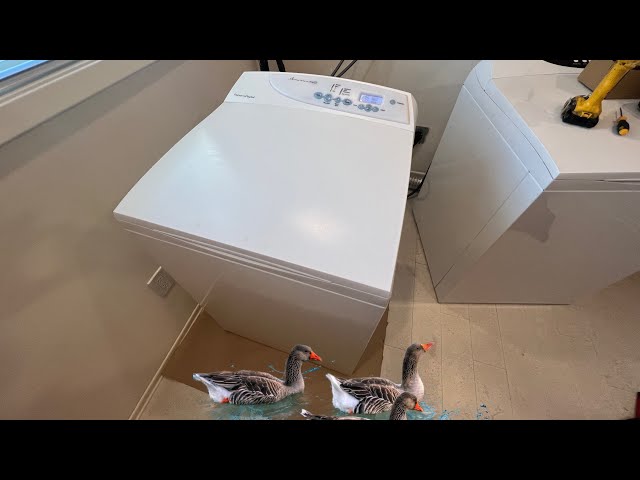
Youtube Video:
Quick Wiring Specifications & Terminal Guide
| Component / Circuit | Standard Wire Gauge | Recommended Protection |
|---|---|---|
| Control & Trigger Signals | 18 – 20 AWG | 5A – 7.5A Inline Fuse |
| Standard Auxiliary Load | 14 – 16 AWG | 15A – 20A Circuit Breaker |
| Main Power Feed / Supply | 10 – 12 AWG | 30A – 40A Heavy-Duty Relay |
Images References
Looking for more diagnostic guides? Explore our complete Washing Machine Problems 2 section for step-by-step troubleshooting solutions.
