
Introduction
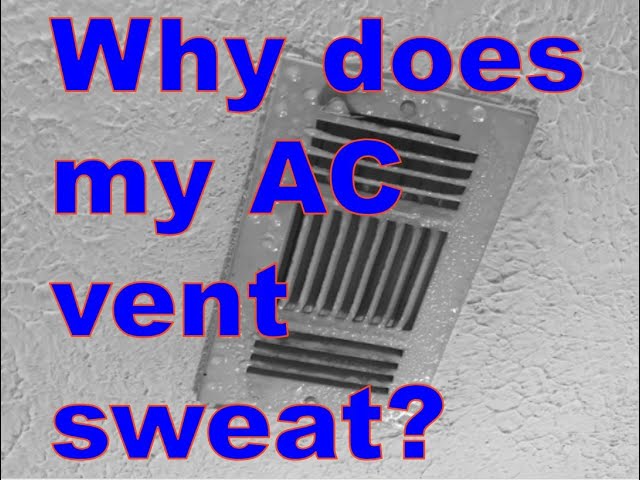
Seeing condensation dripping from your AC vents can be alarming. It means that moisture is collecting somewhere it shouldn’t, potentially leading to water damage, mold growth, and reduced cooling efficiency. This problem often occurs during periods of high humidity or when your AC system is working extra hard. Addressing this issue promptly is crucial to prevent further damage and maintain a healthy home environment.
💡 Technical Key Takeaways:
- Core Focus: Diagnostic schematic and terminal connection layout for Condensation Coming From Ac Vent.
- Target Scope: Field technicians, automotive DIYers, and residential/commercial electricians.
- Safety Rule: Always disconnect the primary power source/battery terminal and verify zero voltage with a multimeter before touching wires.
Common Causes of Condensation Coming From AC Vent
Several factors can contribute to condensation around your AC vents. Here are some common culprits:
- High Humidity: Excess moisture in the air can overwhelm your AC’s ability to dehumidify.
- Poor Insulation: Insufficient insulation around ductwork causes the cold air inside to meet warm, humid air outside, leading to condensation.
- Air Leaks in Ductwork: Cracks or loose connections in your ductwork allow warm, humid air to enter, causing condensation.
- Clogged Air Filter: A dirty filter restricts airflow, causing the evaporator coil to get too cold and freeze, which then melts and drips.
- Refrigerant Leaks: Low refrigerant can cause the evaporator coil to ice up, leading to water dripping when it melts.
- Blocked Drain Line: The drain line removes condensation produced by the AC. A blockage can cause water to back up and leak.
- Improperly Sized AC: An AC that’s too large for your home may cool the air too quickly without properly dehumidifying it.
- Dirty Evaporator Coil: A dirty coil insulates itself and can cause ice build up.
Symptoms Checklist
Use this checklist to help identify if you’re experiencing a condensation problem:
- Water dripping or staining around AC vents.
- Visible mold or mildew growth near the vents.
- Musty odor coming from the vents.
- Higher than usual humidity levels in the house.
- AC unit runs constantly but doesn’t cool effectively.
- Ice formation on the AC unit or refrigerant lines.
How to Fix Condensation Coming From AC Vent Step-by-Step Guide
Follow these steps to troubleshoot and address the condensation issue:
- Turn off the AC Unit: Before starting any work, turn off the AC at the thermostat and the circuit breaker to ensure safety.
- Inspect the Air Filter: Remove the air filter and check if it’s dirty. A clogged filter restricts airflow and can cause ice buildup. Replace it with a new, clean filter.
- Check the Drain Line: Locate the condensate drain line, usually a PVC pipe near the outdoor unit or furnace. Check for any visible clogs or kinks.
- Flush the Drain Line: Use a wet/dry vacuum to clear any clogs in the drain line. Attach the vacuum hose to the end of the drain line and suck out any debris. You can also try pouring a cup of distilled vinegar down the drain line to dissolve algae or mold.
- Inspect Ductwork for Leaks: Examine the visible ductwork for any gaps, cracks, or loose connections. Pay close attention to joints and seams.
- Seal Ductwork Leaks: Use aluminum foil tape (not duct tape) to seal any leaks in the ductwork. Ensure a tight seal for optimal performance.
- Check Insulation Around Ductwork: Ensure that the ductwork is properly insulated, especially in unconditioned spaces like attics or crawl spaces. Add insulation as needed.
- Adjust Thermostat Settings: Avoid setting your thermostat too low, as this can cause the AC to overwork and lead to ice buildup. Set it to a reasonable temperature (e.g., 75-78F).
- Inspect Evaporator Coils: Remove the access panel to view the evaporator coils. If you see ice, let it melt completely. Clean the coils with a fin comb and coil cleaner available at most hardware stores.
- Run the AC Fan: After cleaning, run the AC fan only (without the cooling) for a few hours to dry out any remaining moisture and prevent ice from reforming.
- Monitor Performance: After completing these steps, turn the AC back on and monitor its performance. Check for any signs of condensation or ice buildup.
- Check for Obstructions Outside: Ensure the outside unit is free from vegetation or debris that could obstruct airflow.
- Reduce Home Humidity: If high humidity is a recurring issue, consider using a dehumidifier in your home, especially in areas where the AC unit is located.
Fix the Issue Without Buying Parts
Often, the condensation problem can be resolved with simple maintenance:
- Regularly change your air filter: This is the easiest and most effective way to prevent many AC problems.
- Clean the outdoor unit: Remove leaves, debris, and dirt from around the outdoor unit to improve airflow.
- Inspect and clean vents: Ensure vents are free of obstructions and clean them regularly to remove dust and allergens.
- Run the fan periodically: Circulating air helps to balance humidity and prevent condensation.
When Replacement Might Be Necessary
If the condensation persists after trying these troubleshooting steps, more serious issues might be present. A refrigerant leak, failing compressor, or severely damaged ductwork might require professional attention and potentially, replacement of components. Refrigerant leak repair can cost $200-$800. Ductwork repairs range from $100-$500 depending on the extent of the damage. Complete AC replacement ranges from $3,000-$7,000. Common failing parts include the compressor, evaporator coil, and blower motor.
Safety Warning
- Always turn off the AC unit at the breaker before inspecting or working on it.
- Avoid touching any electrical components with wet hands.
- Be cautious when working on ladders or in confined spaces.
- If you’re uncomfortable working with electrical components, consult a qualified HVAC technician.
Tools You May Need
- Screwdriver (Phillips and flathead)
- Wet/dry vacuum
- Aluminum foil tape
- Air filter
- Fin comb
- Coil cleaner
- Gloves
- Safety glasses
FAQ
Here are some frequently asked questions about condensation on AC vents:
- Q: Why is my AC dripping water even after I changed the filter? A: There may be a clog in the drain line, a refrigerant leak, or a ductwork issue.
- Q: How often should I change my AC filter? A: Generally, every 1-3 months, depending on usage and air quality.
- Q: Can I use regular duct tape to seal ductwork leaks? A: No, duct tape doesn’t hold up well over time. Use aluminum foil tape for a lasting seal.
- Q: Is it normal for my AC to drip water outside? A: Yes, the condensate drain line will drip water outside during normal operation.
- Q: What does it mean when the refrigerant line freezes up? A: This usually indicates low refrigerant or a blocked airflow.
- Q: How can I tell if I have a refrigerant leak? A: Signs include poor cooling, ice buildup on the refrigerant lines, and a hissing sound near the AC unit.
Conclusion
Addressing condensation coming from your AC vents is crucial for maintaining a healthy and efficient home cooling system. By following this troubleshooting guide, you can often resolve the issue yourself and prevent further damage. If the problem persists after trying these steps, it’s best to consult with a qualified HVAC technician for professional assistance.
Youtube Video:
Quick Wiring Specifications & Terminal Guide
| Component / Circuit | Standard Wire Gauge | Recommended Protection |
|---|---|---|
| Control & Trigger Signals | 18 – 20 AWG | 5A – 7.5A Inline Fuse |
| Standard Auxiliary Load | 14 – 16 AWG | 15A – 20A Circuit Breaker |
| Main Power Feed / Supply | 10 – 12 AWG | 30A – 40A Heavy-Duty Relay |
Images References
Looking for more diagnostic guides? Explore our complete Air Conditioner Troubleshooting 4 section for step-by-step troubleshooting solutions.
