
Introduction
Having your Chevy Malibu’s AC suddenly blow hot air is frustrating, especially on a hot day. It’s more than just uncomfortable; it can make driving unbearable and even unsafe. This guide will help you understand why your AC might be blowing hot air and walk you through some simple troubleshooting steps you can try yourself before calling a mechanic. Acting quickly can prevent further damage and potentially save you money on repairs.
💡 Technical Key Takeaways:
- Core Focus: Diagnostic schematic and terminal connection layout for Chevy Malibu Ac Blowing Hot Air.
- Target Scope: Field technicians, automotive DIYers, and residential/commercial electricians.
- Safety Rule: Always disconnect the primary power source/battery terminal and verify zero voltage with a multimeter before touching wires.
Common Causes of Chevy Malibu AC Blowing Hot Air
Here are some common reasons why your Chevy Malibu’s AC might be blowing hot air:
- Low Refrigerant: This is the most common reason. Refrigerant is the gas that cools the air. If it’s low, the AC won’t work properly.
- Refrigerant Leak: If your refrigerant is low, it means there’s a leak somewhere in the system.
- Faulty Compressor: The compressor is the heart of the AC system. If it’s not working, the refrigerant can’t circulate.
- Clogged Condenser: The condenser cools the refrigerant. If it’s clogged with debris (leaves, bugs), it can’t do its job.
- Bad Cooling Fan: The cooling fan helps cool the condenser. If it’s not working, the condenser overheats.
- Electrical Problems: A blown fuse or a faulty wire can prevent the compressor from turning on.
- Broken AC Clutch: The AC clutch engages and disengages the compressor. If it’s broken, the compressor won’t work.
- Blocked Cabin Air Filter: A severely clogged cabin air filter restricts airflow into the vehicle, which can indirectly affect AC performance.
Symptoms Checklist
Use this checklist to help identify if you really have an AC problem:
- AC blows cold air intermittently.
- AC only blows hot air, regardless of settings.
- Unusual noises coming from the engine compartment when the AC is turned on.
- AC works fine when driving at high speeds but blows hot air at idle.
- Visible leaks or oily residue under the car near the AC compressor.
- Dashboard AC controls seem unresponsive.
How to Fix Chevy Malibu AC Blowing Hot Air Step-by-Step Guide
Follow these steps to troubleshoot your AC:
- Check the AC Button: Make sure the AC button is actually turned ON. It sounds simple, but it’s easy to overlook! Also, make sure the recirculation button is OFF to pull in fresh air.
- Check the Engine Cooling Fan: With the engine running and the AC turned on, check if the engine cooling fan is spinning. If not, it could be the fan motor or a related electrical issue.
- Inspect the Condenser: Locate the condenser (usually in front of the radiator). Is it clean and free of debris? Gently clean it with a soft brush and water hose if necessary. Be careful not to damage the fins.
- Check the Cabin Air Filter: The cabin air filter is usually located behind the glove compartment. A dirty filter restricts airflow. Replace it if it’s clogged. Refer to your owner’s manual for the filter location and replacement instructions.
- Listen for the Compressor Clutch: With the engine running and the AC turned on, listen for a “click” sound from the AC compressor (located on the engine). This indicates the compressor clutch is engaging. If you don’t hear the click, the compressor might not be working.
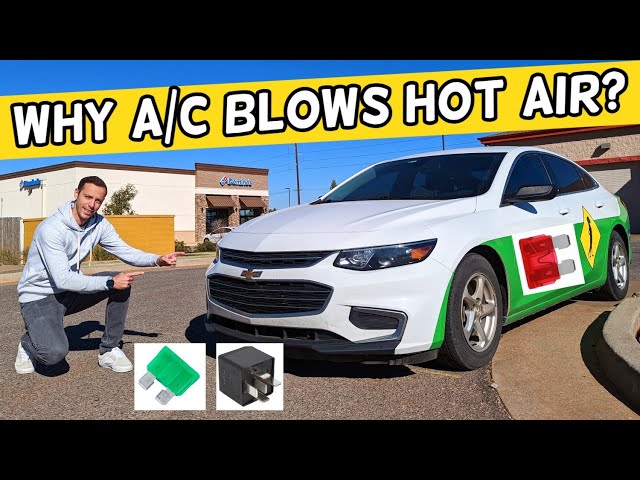
- Check Fuses: Locate the fuse box (usually under the hood or in the passenger compartment). Check the fuses related to the AC system (refer to your owner’s manual for the fuse diagram). Replace any blown fuses with the correct amperage rating.
- Inspect the Wiring: Look for any obvious signs of damaged or loose wiring around the AC compressor and condenser. Repair any damaged wires.
- Observe the Refrigerant Lines: Carefully inspect the refrigerant lines for any signs of leaks (oily residue). Do not touch the lines directly, as they can be very cold.
- Check the Radiator: Make sure the radiator is free of debris. An overheating engine can impact the performance of the AC.
- Perform an AC Self-Test (if available): Some newer Chevy Malibu models have a built-in AC self-test function. Consult your owner’s manual to see if your car has this feature and how to use it.
Fix the Issue Without Buying Parts
Here are a few free things you can try:
- Clean the Condenser: As mentioned before, a clogged condenser is a common problem.
- Replace Cabin Air Filter: A new cabin air filter improves the air-flow inside your vehicle.
- Visual Inspection: Taking time to check for any obvious issues may avoid issues.
When Replacement Might Be Necessary
If you’ve tried the above steps and your AC is still blowing hot air, a replacement of these components is to be considered. These are typical causes for chevy malibu ac blowing hot air. For more related activities, check out our Ge Window Ac Won T Turn On.
- Compressor: A faulty compressor is a major issue. Replacement can cost $400-$800 (including labor).
- Condenser: If the condenser is severely damaged or corroded, it needs to be replaced. Expect to pay $200-$400 (including labor).
- AC Clutch: If only the clutch fails, replacing only that is less expensive than replacing the entire compressor ($150-$300 including labor).
- Refrigerant Line: Damaged refrigerant lines will lead to leaks. Replacement costs vary depending on the line, but typically range from $100-$300.
Safety Warning
Keep the following in mind during troubleshooting:
- Always wear safety glasses when working under the hood of your car.
- Never disconnect refrigerant lines yourself. Refrigerant is a hazardous substance and should only be handled by a qualified technician.
- Be careful when working around the engine, as it can be hot.
- Consult your owner’s manual for specific information about your Chevy Malibu.
Tools You May Need
Here are some tools that might be helpful:
- Screwdrivers (Phillips and flathead)
- Wrench set
- Socket set
- Fuse puller
- Safety glasses
- Work gloves
- Flashlight
FAQ
Here are some frequently asked questions:
- Q: Why does my AC blow cold air sometimes and hot air other times? A: This could be due to a low refrigerant level or a failing AC compressor clutch.
- Q: How often should I recharge my car’s AC? A: There’s no set schedule. It’s best to have it checked if you notice the AC isn’t as cold as it used to be.
- Q: Can I recharge my AC myself? A: While DIY AC recharge kits are available, it’s best to have a professional do it. They can properly diagnose the problem and ensure the system is properly charged.
- Q: What does it mean when my AC smells musty? A: This usually indicates mold or mildew growth in the evaporator core. A professional AC cleaning service can help.
- Q: Why does my AC work better when I’m driving fast? A: At higher speeds, there is more airflow across the condenser, which helps cool the refrigerant. At idle, the airflow may not be sufficient. This could indicate a problem with the cooling fan or condenser.
Conclusion
Troubleshooting your Chevy Malibu’s AC can seem daunting, but by following these steps, you can often identify and resolve simple issues yourself. Remember to prioritize safety and consult your owner’s manual. If you’ve tried these steps and your AC is still blowing hot air, it’s time to call a qualified technician. Don’t get discouraged! Taking the steps above will ensure you have a better understanding of the problem, and you can better explain the issue to the technician.
Youtube Video:
Quick Wiring Specifications & Terminal Guide
| Component / Circuit | Standard Wire Gauge | Recommended Protection |
|---|---|---|
| Control & Trigger Signals | 18 – 20 AWG | 5A – 7.5A Inline Fuse |
| Standard Auxiliary Load | 14 – 16 AWG | 15A – 20A Circuit Breaker |
| Main Power Feed / Supply | 10 – 12 AWG | 30A – 40A Heavy-Duty Relay |
Images References
Looking for more diagnostic guides? Explore our complete Air Conditioner Troubleshooting 4 section for step-by-step troubleshooting solutions.
