
Introduction
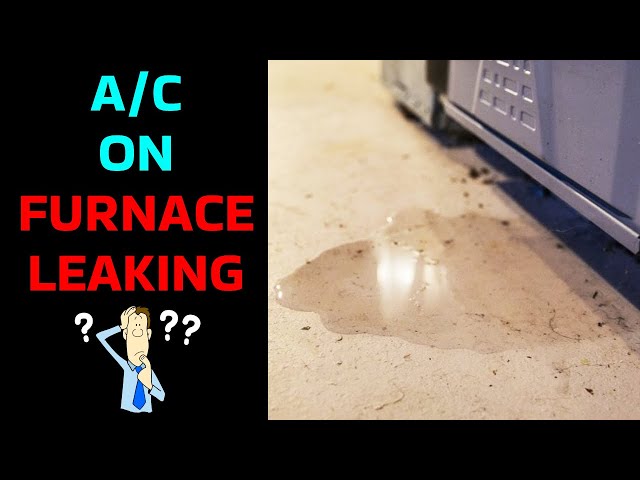
Finding water around your central air furnace can be alarming. It means something isn’t working right, and if left unchecked, it can lead to bigger problems like mold growth, water damage to your home, and even damage to the furnace itself. It’s a common issue, especially during humid months when your AC is working hard. Addressing the leak quickly can save you money and headaches in the long run. Don’t panic, but don’t ignore it either!
💡 Technical Key Takeaways:
- Core Focus: Diagnostic schematic and terminal connection layout for Central Air Furnace Leaking Water.
- Target Scope: Field technicians, automotive DIYers, and residential/commercial electricians.
- Safety Rule: Always disconnect the primary power source/battery terminal and verify zero voltage with a multimeter before touching wires.
Common Causes of central air furnace leaking water
Here are some of the most common reasons why your central air furnace might be leaking water:
- Clogged Condensate Drain Line: This is the most frequent culprit. The drain line carries away water produced by your AC. If it’s blocked by algae, dust, or debris, water can back up and leak.
- Dirty Air Filter: A dirty filter restricts airflow, causing the evaporator coil (the part that cools the air) to get too cold and freeze. When it melts, all that water has to go somewhere.
- Broken Condensate Pump: Some systems use a pump to move water up and out. If the pump fails, the water will accumulate and overflow.
- Cracked or Rusted Condensate Pan: The condensate pan sits under the evaporator coil to collect water. Over time, it can crack or rust, leading to leaks.
- Low Refrigerant Levels: Low refrigerant can cause the evaporator coil to freeze up, similar to a dirty air filter.
- Improperly Sloped Drain Line: The drain line needs to slope downward so water can flow freely. If it slopes upward in any area, water can get trapped and leak.
- High Humidity: Extremely high humidity levels can overwhelm your system’s ability to handle the condensate, causing minor leaks.
- Kinked Drain Line: A kink or bend in the drain line will restrict the flow of water and can cause the system to backup and leak.
Symptoms Checklist
Here are some signs that your central air furnace is leaking water:
- Puddles of water around the furnace.
- Dampness or staining on the floor near the furnace.
- A musty or moldy odor.
- Water dripping from the furnace or ductwork.
- The furnace shutting off unexpectedly.
- Ice forming on the refrigerant lines or evaporator coil.
How to Fix central air furnace leaking water Step-by-Step Guide
Follow these steps to troubleshoot and hopefully fix the leak yourself:
- Turn off the power: Before you do anything, turn off the power to your furnace at the breaker box. Safety first!
- Locate the Condensate Drain Line: It’s usually a PVC pipe (often white or gray) running from your furnace to a drain.
- Check for clogs: Look for any visible blockage at the end of the drain line. Clear away any obvious debris.
- Flush the Drain Line: Disconnect the drain line near the furnace. Use a wet/dry vacuum to suck out any clogs. You can also try pouring a cup of distilled white vinegar down the drain line to dissolve any algae buildup. Let it sit for 30 minutes, then flush with water.
- Inspect the Condensate Pan: Look for cracks, rust, or overflowing water. If it’s cracked or rusty, it will eventually need to be replaced, but for now, try to manage the existing water.
- Check the Air Filter: A dirty air filter restricts airflow. Replace it with a clean one.
- Inspect the Drain Line Slope: Ensure the drain line slopes consistently downward. If it sags, try to reposition it to create a proper slope.
- Check the Condensate Pump (if applicable): If your system has a condensate pump, check that it’s plugged in and running. Listen for any unusual noises. You can try cleaning the pump’s reservoir.
- Clean the Area Around the Furnace: Remove any standing water to prevent mold growth.
- Run the AC and Monitor: Turn the power back on and run your AC. Keep an eye on the furnace for a few hours to see if the leak returns.
- Repeat Flushing: If the leak subsides but returns, flush the drain line again. The clog may have been partially removed initially.
- Check for Kinks: Follow the entire length of the drain line, looking for any sharp bends or kinks that might be restricting flow. Straighten out any kinks you find.
- Listen for Gurgling: Pay attention for gurgling sounds near the furnace. This may mean the drain line has blockage inside.
- Consider a Drain Line Tablet: These slow-release tablets can prevent algae buildup in the drain line. Follow the instructions on the product label.
Fix the Issue Without Buying Parts
Before rushing to buy new parts, try these free methods:
- Reset: Turn off your entire central AC system for 30 minutes, including the thermostat. This can sometimes reset frozen coils.
- Cleaning: Thoroughly clean the area around your furnace, paying attention to any visible mold.
- Inspection: Regularly inspect your furnace area for any signs of leaks, even small ones. Early detection can prevent bigger problems.
- Maintenance Basics: Replace your air filter regularly (every 1-3 months) to prevent many AC issues.
When Replacement Might Be Necessary
Sometimes, the leak indicates a more serious problem that requires replacing a part. Here’s when that might be the case:. For more related activities, check out our My Ac Is Blowing Hot.
- Cracked Condensate Pan: If the pan is significantly cracked or rusted, it needs to be replaced. Expect to pay between $100 and $300 for parts and labor.
- Failed Condensate Pump: If the pump isn’t working even after cleaning, it likely needs replacement. New pumps can cost between $50 and $200.
- Refrigerant Leak: Low refrigerant requires a professional to find and repair the leak and recharge the system. This can cost $200 to $600 or more.
Safety Warning
Follow these safety precautions:
- Always turn off the power to the furnace before working on it.
- Avoid working in wet areas to prevent electric shock.
- Be careful when handling cleaning solutions.
- If you’re uncomfortable with any of these steps, call a qualified HVAC technician.
Tools You May Need
Here are some tools that can be helpful:
- Wet/Dry Vacuum
- Screwdrivers
- Pliers
- Distilled White Vinegar
- New Air Filter
- Flashlight
FAQ
Here are some frequently asked questions about leaking central air furnaces:
-
Q: How often should I clean my condensate drain line?
A: At least once a year, preferably before the start of the cooling season. -
Q: Can a clogged drain line damage my furnace?
A: Yes, it can lead to water damage, mold growth, and potentially damage the furnace’s electrical components. -
Q: Why is my AC leaking even after I cleaned the drain line?
A: There may be another clog further down the line, or the problem could be a cracked condensate pan or low refrigerant. -
Q: When should I call a professional?
A: If you’ve tried these steps and the leak persists, or if you’re uncomfortable working on your furnace yourself, it’s best to call a qualified HVAC technician.
Conclusion
Finding your central air furnace leaking water can be stressful, but often, the problem is something you can fix yourself. By following these troubleshooting steps, you can often resolve the issue and prevent further damage. Remember to prioritize safety and don’t hesitate to call a professional if you’re unsure about any step. You can do it!
Youtube Video:
Quick Wiring Specifications & Terminal Guide
| Component / Circuit | Standard Wire Gauge | Recommended Protection |
|---|---|---|
| Control & Trigger Signals | 18 – 20 AWG | 5A – 7.5A Inline Fuse |
| Standard Auxiliary Load | 14 – 16 AWG | 15A – 20A Circuit Breaker |
| Main Power Feed / Supply | 10 – 12 AWG | 30A – 40A Heavy-Duty Relay |
Images References
Looking for more diagnostic guides? Explore our complete Air Conditioner Troubleshooting 2 section for step-by-step troubleshooting solutions.
