
Introduction
When your central air conditioning system refuses to blow cool air, its often due to the blower motor not turning on. The blower is essential; it circulates cool air throughout your home. This issue can happen suddenly or after a period of inactivity. Addressing this promptly is crucial because without a functioning blower, your AC system is ineffective, leading to discomfort and potential damage to other components. It’s also important to investigate this quickly as some problems can worsen over time.
💡 Technical Key Takeaways:
- Core Focus: Diagnostic schematic and terminal connection layout for Central Air Blower Not Turning On.
- Target Scope: Field technicians, automotive DIYers, and residential/commercial electricians.
- Safety Rule: Always disconnect the primary power source/battery terminal and verify zero voltage with a multimeter before touching wires.
Common Causes of central air blower not turning on
Several factors can prevent your central air blower from starting. Here are some of the most common culprits:. For more related activities, check out our Ge Window Ac Won T Turn On.
- Tripped Circuit Breaker: An overloaded circuit can trip, cutting power to the blower motor.
- Faulty Thermostat: An incorrectly set or malfunctioning thermostat might not signal the blower to turn on.
- Dirty Air Filter: A clogged filter restricts airflow, causing the blower motor to overheat and potentially shut down.
- Capacitor Failure: The capacitor helps start the blower motor; a failing capacitor can prevent it from starting.
- Blower Motor Overload: The blower motor may have an internal overload protector that trips when it overheats.
- Frozen Evaporator Coil: Ice buildup on the evaporator coil can block airflow and trigger safety mechanisms that shut down the blower.
- Wiring Issues: Loose or damaged wiring can interrupt the power supply to the blower motor.
- Blower Motor Failure: In some cases, the motor itself may have failed due to age or wear.
Symptoms Checklist
Use this checklist to help accurately identify if the blower is the problem:
- No air coming from vents when the AC is turned on.
- You hear the outdoor AC unit running, but no air movement inside.
- The thermostat is set to “cool,” but nothing happens.
- A humming sound coming from the indoor unit but no fan movement.
- The circuit breaker for the AC unit trips frequently.
- The air filter is visibly dirty.
How to Fix central air blower not turning on Step-by-Step Guide
Follow these steps to troubleshoot and potentially fix the issue:
- Turn Off the Power: Locate the circuit breaker for your AC unit and turn it off for safety before doing any inspection.
- Check the Circuit Breaker: Inspect the breaker to see if it’s tripped. If it is, reset it. If it trips again immediately, there’s likely a more serious problem.
- Inspect the Thermostat: Ensure the thermostat is set to “cool” and the temperature is set lower than the current room temperature. Verify that the fan setting is on “auto” or “on.”
- Replace the Air Filter: A dirty air filter restricts airflow and can cause the blower motor to overheat. Replace it with a new, clean filter.
- Wait for Ice Melt: If you suspect a frozen evaporator coil, turn off the AC and set the thermostat fan to “on” to help melt the ice. This could take several hours.
- Check Wiring Connections: After turning the power OFF, carefully inspect the wiring connections to the blower motor. Look for loose or corroded wires.
- Locate the Blower Motor: Usually located inside the indoor unit, behind an access panel. Consult your AC unit’s manual for the exact location.
- Inspect the Blower Wheel: Check for any obstructions in the blower wheel area, such as debris or dust buildup. Clean it if necessary.
- Listen for Humming: Turn the system back on briefly and listen for a humming sound from the blower motor. If you hear humming but the motor isn’t turning, the capacitor may be faulty. Turn the power off immediately.
- Manually Spin the Blower Wheel (Power OFF): With the power OFF, try to manually spin the blower wheel. If it spins freely, the motor might be the issue. If it’s difficult to turn, there could be a mechanical problem.
- Check the Capacitor (Advanced): Warning: Capacitors can store an electrical charge even when the power is off. Only attempt this if you are comfortable and knowledgeable about electrical components, or consult a professional. Visually inspect the capacitor for any bulging or leaking. This is a sign of failure.
Fix the Issue Without Buying Parts
Before considering replacement parts, try these free methods:
- Reset the System: Turn off the circuit breaker for 30 minutes, then turn it back on. This can sometimes reset the system and clear minor glitches.
- Clean the Blower Area: Remove dust and debris from around the blower motor and wheel.
- Inspect Air Ducts: Make sure the air ducts are open and not blocked by furniture or other objects.
- Thermostat Recalibration: Consult your thermostat’s manual to see if it needs recalibration.
- Routine Maintenance: Change the air filter regularly (every 1-3 months) to prevent future problems.
When Replacement Might Be Necessary
If you’ve tried all the troubleshooting steps and the blower motor still isn’t working, you might need to replace some parts. The most common components to fail are:
- Blower Motor: (Estimated cost: $200-$600)
- Capacitor: (Estimated cost: $20-$100)
It’s always best to get a professional diagnosis to confirm the exact cause and ensure the correct part is replaced.
Safety Warning
- Always turn off the power at the circuit breaker before working on any electrical components.
- Never work on electrical components with wet hands or while standing on a wet floor.
- Be careful when handling capacitors, as they can store an electrical charge even when disconnected.
- If you are not comfortable working with electrical components, consult a qualified HVAC technician.
Tools You May Need
- Screwdrivers (Phillips and flathead)
- Pliers
- Wrench set
- Vacuum cleaner or brush
- Multimeter (optional, for advanced testing)
FAQ
Here are some common questions:
- Q: Why does my AC blower work sometimes but not others? A: This could be due to a failing capacitor, a dirty air filter, or an intermittent wiring issue.
- Q: How often should I change my air filter? A: Typically every 1-3 months, depending on usage and air quality.
- Q: Can a dirty evaporator coil cause the blower to stop working? A: Yes, a dirty or frozen evaporator coil can restrict airflow and cause the blower motor to overheat.
- Q: Is it safe to run my AC without a filter for a short period? A: No, running your AC without a filter can damage the system by allowing dust and debris to accumulate on internal components.
- Q: How much does it cost to have a professional diagnose the problem? A: Typically, a service call to diagnose an AC problem ranges from $75 to $200, depending on your location and the company.
- Q: What should I do if the blower motor is making a loud squealing noise? A: A squealing noise could indicate worn bearings in the blower motor. Turn off the unit and call a professional for inspection.
Conclusion
Troubleshooting a central air blower that won’t turn on can seem daunting, but with these steps, you can often identify and resolve the issue yourself. Start with the simple checks and work your way through the more complex solutions. If you’re uncomfortable working with electrical components or the problem persists, don’t hesitate to call a qualified HVAC technician. Taking a DIY approach can save you money and give you a better understanding of your home’s cooling system!
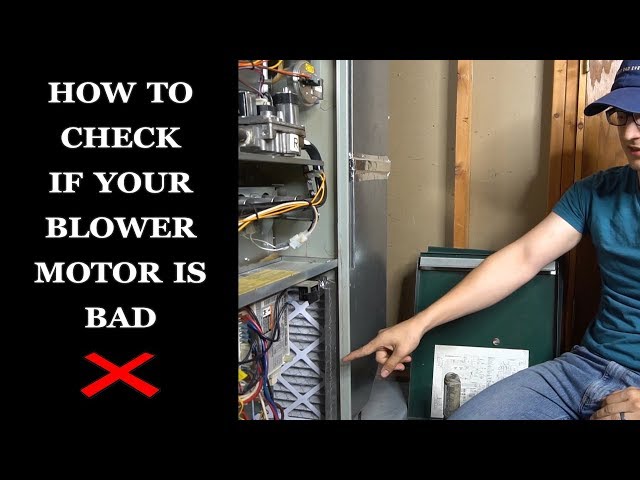
Youtube Video:
Quick Wiring Specifications & Terminal Guide
| Component / Circuit | Standard Wire Gauge | Recommended Protection |
|---|---|---|
| Control & Trigger Signals | 18 – 20 AWG | 5A – 7.5A Inline Fuse |
| Standard Auxiliary Load | 14 – 16 AWG | 15A – 20A Circuit Breaker |
| Main Power Feed / Supply | 10 – 12 AWG | 30A – 40A Heavy-Duty Relay |
Images References
Looking for more diagnostic guides? Explore our complete Air Conditioner Troubleshooting 4 section for step-by-step troubleshooting solutions.
