
Introduction
A buzzing sound coming from your washing machine can be alarming and is a sign that something isn’t quite right. While it might not always indicate a major breakdown, ignoring it can lead to further damage and potentially more costly repairs down the line. This guide is designed to help you understand the potential causes of that buzzing sound, assess the situation, and take steps to troubleshoot the issue yourself. Addressing it promptly can save you money and extend the life of your appliance.
💡 Technical Key Takeaways:
- Core Focus: Diagnostic schematic and terminal connection layout for Buzzing Sound Washing Machine.
- Target Scope: Field technicians, automotive DIYers, and residential/commercial electricians.
- Safety Rule: Always disconnect the primary power source/battery terminal and verify zero voltage with a multimeter before touching wires.
Common Causes of buzzing sound washing machine
Several factors can cause a buzzing sound in your washing machine. Here are some of the most common:. For more related activities, check out our Amana Front Load Washer Not Spinning.
- Loose Objects: Small items like coins, buttons, or underwires trapped in the pump or drum.
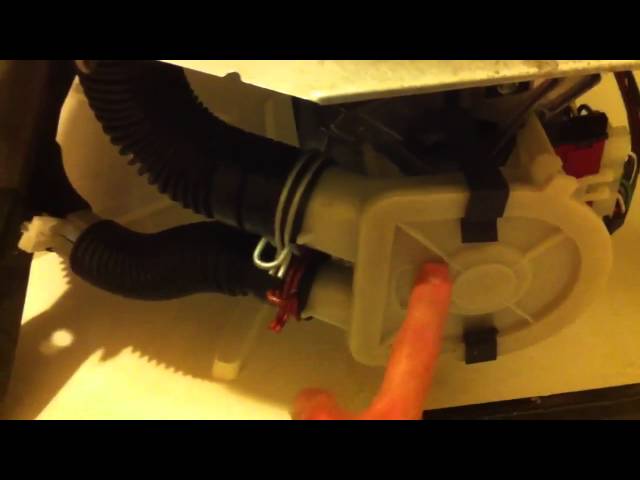
- Pump Issues: A failing drain pump motor or an obstruction in the pump.
- Drive Motor Problems: Issues with the main motor that spins the drum, such as worn bearings.
- Water Inlet Valve: A faulty water inlet valve that controls water flow into the machine.
- Belt Problems: If your machine uses a belt to drive the drum, a worn or loose belt can cause buzzing.
- Electrical Issues: Problems with wiring or the motor’s electrical components.
- Foreign Object in the Impeller: Something stuck in the impeller if the washing machine has one.
- Worn Suspension Rods: The suspension system helps absorb shaking of the washing machine but if those rods are worn out, buzzing can be a symptom.
Symptoms Checklist
Use this checklist to help pinpoint the source of the buzzing:
- Does the buzzing occur during the wash cycle, spin cycle, or both?
- Does the buzzing sound change in intensity or pitch during different parts of the cycle?
- Do you notice any other unusual sounds along with the buzzing, such as grinding or clicking?
- Is the machine vibrating excessively or shaking more than usual?
- Is the machine draining properly?
- Has the machine recently been moved or had any repairs done?
- Do you hear the buzzing sound when the washing machine is on, but not actively washing?
How to Fix buzzing sound washing machine Step-by-Step Guide
- Safety First: Unplug the washing machine from the power outlet before starting any inspection or repair.
- Check for Loose Objects: Inspect the washing machine drum. Check the rubber gasket around the door opening, feeling for any trapped items.
- Access the Pump: Consult your washing machine’s manual to locate and access the drain pump (usually at the bottom front or back).
- Inspect the Drain Pump: Carefully remove any obstructions from the drain pump filter or impeller. Common culprits are coins, lint, and small articles of clothing.
- Check the Water Inlet Valve: Locate the water inlet valve(s) on the back of the machine. Make sure the hoses are securely attached and free of kinks. Turn the water supply off.
- Inspect Water Inlet Valve Filters: Disconnect the hoses from the water inlet valve. Many have filters that can get clogged. Clean them with a brush.
- Check the Drive Belt (if applicable): If your machine uses a belt, access the motor and belt area (usually through a panel on the back). Check the belt for wear, cracks, or looseness.
- Inspect the Motor: Visually inspect the motor for any signs of damage or corrosion.
- Check Suspension Rods: Open the top of the washing machine. Observe the suspension rods and see if any are broken.
- Test the Drain Pump (with caution): If you suspect the pump motor is failing, you can try running the drain cycle briefly (after clearing any obstructions) to see if the buzzing persists. Unplug the machine immediately if the sound is excessively loud or accompanied by smoke or sparks. Do not run dry.
- Reassemble and Test: After inspecting and cleaning components, reassemble the washing machine.
- Plug It In: Plug the washing machine back into the power outlet.
- Run a Test Cycle: Run a short wash cycle to observe if the buzzing sound is gone.
- Monitor Performance: Watch the machine for any other unusual noises, vibrations, or leaks.
Fix the Issue Without Buying Parts
Sometimes, the buzzing sound can be resolved without needing to purchase any replacement parts:
- Reset the Machine: Unplug the washing machine for 1-2 minutes to reset the electronic controls.
- Clean the Machine: Run a cleaning cycle with a washing machine cleaner to remove buildup and residue.
- Check Leveling: Ensure the washing machine is level using a bubble level. Adjust the leveling feet as needed.
- Proper Loading: Avoid overloading the washing machine, as this can strain the motor and other components.
- Regular Maintenance: Clean the lint filter regularly and inspect hoses for leaks or damage.
When Replacement Might Be Necessary
If the buzzing sound persists after following the troubleshooting steps, or if you identify a significantly damaged component, replacement might be necessary. The following are common parts that fail and their estimated replacement costs (USD):
- Drain Pump: $50 – $150
- Drive Motor: $100 – $300
- Water Inlet Valve: $30 – $80
- Drive Belt: $15 – $40
Before replacing any parts, consider the age and overall condition of your washing machine. If it’s an older model, it might be more cost-effective to replace the entire appliance.
Safety Warning
- Always unplug the washing machine from the power outlet before performing any inspections or repairs.
- Avoid working on the washing machine if the floor is wet to prevent electric shock.
- Be careful when handling electrical components and wiring. If you’re not comfortable working with electricity, consult a qualified technician.
- Wear gloves to protect your hands from sharp edges or chemicals.
Tools You May Need
- Screwdrivers (Phillips and flathead)
- Pliers
- Adjustable wrench
- Bucket or towels
- Flashlight
- Bubble level
- Gloves
FAQ
Here are some frequently asked questions about buzzing sounds in washing machines:
- Q: Why is my washing machine buzzing during the spin cycle?
- A: This is often due to loose objects in the pump, a failing pump motor, or worn bearings in the main motor.
- Q: Can I still use my washing machine if it’s making a buzzing sound?
- A: It’s not recommended to continue using the machine if it’s making a buzzing sound. It’s best to troubleshoot the problem to prevent further damage.
- Q: How do I know if the buzzing sound is an electrical issue?
- A: If the buzzing is accompanied by a burning smell, smoke, or sparks, it’s likely an electrical issue and requires immediate attention. Unplug the machine and consult a qualified technician.
- Q: How often should I clean my washing machine to prevent buzzing sounds?
- A: It’s recommended to clean your washing machine at least once a month using a washing machine cleaner or a mixture of vinegar and baking soda.
Conclusion
A buzzing sound from your washing machine can be concerning, but with a systematic approach, you can often identify and resolve the issue yourself. Start with the simple checks, such as looking for loose objects and cleaning the pump. If the problem persists, don’t hesitate to consult a qualified appliance repair technician. By taking a proactive approach, you can keep your washing machine running smoothly and avoid costly repairs.
Youtube Video:
Quick Wiring Specifications & Terminal Guide
| Component / Circuit | Standard Wire Gauge | Recommended Protection |
|---|---|---|
| Control & Trigger Signals | 18 – 20 AWG | 5A – 7.5A Inline Fuse |
| Standard Auxiliary Load | 14 – 16 AWG | 15A – 20A Circuit Breaker |
| Main Power Feed / Supply | 10 – 12 AWG | 30A – 40A Heavy-Duty Relay |
Images References
Looking for more diagnostic guides? Explore our complete Washing Machine Problems 2 section for step-by-step troubleshooting solutions.
