
Introduction
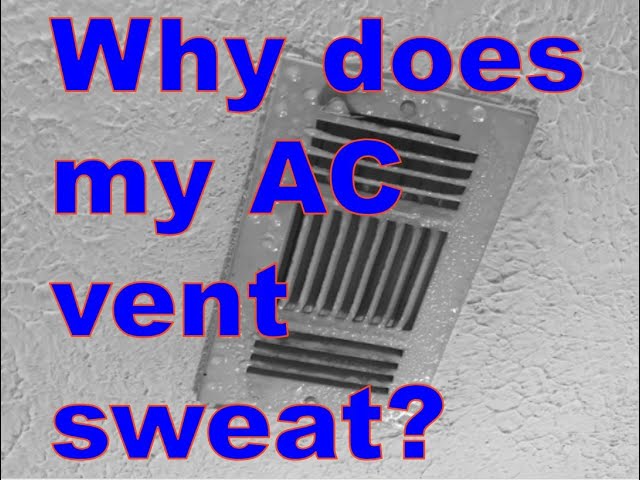
Finding water dripping from your air conditioner vents can be a frustrating and concerning issue. It’s not only messy but can also lead to water damage and mold growth if left unaddressed. This often occurs during periods of high humidity or when the AC is running frequently. Addressing this problem promptly is crucial to prevent further damage to your home and ensure your air conditioner operates efficiently.
💡 Technical Key Takeaways:
- Core Focus: Diagnostic schematic and terminal connection layout for Air Conditioner Vent Dripping Water.
- Target Scope: Field technicians, automotive DIYers, and residential/commercial electricians.
- Safety Rule: Always disconnect the primary power source/battery terminal and verify zero voltage with a multimeter before touching wires.
Common Causes of Air Conditioner Vent Dripping Water
Several factors can contribute to water dripping from your AC vents:
- Clogged Air Filter: A dirty filter restricts airflow, causing the evaporator coil to freeze and then melt, dripping water.
- Frozen Evaporator Coil: Restricted airflow, low refrigerant, or a malfunctioning blower fan can cause the coil to freeze.
- Blocked Drain Line: Condensation from the coil normally drains away. A blockage forces water to back up and leak.
- Low Refrigerant: Insufficient refrigerant reduces the coil’s temperature, leading to freezing.
- High Humidity: Extremely humid conditions can overwhelm the AC’s ability to remove moisture, leading to excess condensation.
- Improper Insulation: Poorly insulated ductwork can cause condensation to form on the exterior, dripping onto ceilings or walls.
- Leaky Ductwork: Cracks or gaps in ductwork allow humid air to enter, causing condensation inside the ducts.
- Incorrect AC Size: An oversized AC unit may cool the air too quickly without properly dehumidifying it.
Symptoms Checklist
Use this checklist to help identify the source of the problem:
- Water dripping directly from the AC vents.
- Water stains on the ceiling or walls near the vents.
- Musty odor in the room.
- Ice formation on the outdoor AC unit.
- AC unit running constantly but not cooling effectively.
- Higher-than-usual humidity levels in the house.
How to Fix Air Conditioner Vent Dripping Water Step-by-Step Guide
Follow these steps to troubleshoot and fix the issue:
- Turn Off the AC: Switch off the air conditioner to prevent further damage and allow any ice to melt.
- Check the Air Filter: Remove the air filter and inspect it. If it’s dirty, replace it with a new one.
- Inspect the Evaporator Coil: Locate the indoor unit (usually in the attic or basement). Open the access panel and check the evaporator coil for ice buildup. If iced, let it thaw completely.
- Check the Drain Line: Find the condensate drain line (usually a PVC pipe). Look for any clogs or obstructions.
- Clear the Drain Line: Use a wet/dry vacuum to suck out any debris from the drain line. You can also try using a stiff wire or a drain snake to dislodge clogs. Be prepared for water to flow out!
- Check the Drain Pan: Locate the drain pan beneath the indoor unit. Ensure it’s not overflowing or cracked.
- Inspect Ductwork for Leaks: Check the ductwork for any visible gaps, cracks, or loose connections. Seal any leaks with duct tape or foil tape.
- Check for Proper Insulation: Ensure the ductwork is properly insulated, especially in unconditioned spaces like attics.
- Turn the AC Back On: After completing the above steps, turn the AC back on and monitor the vents for any further dripping.
- Monitor Humidity Levels: Use a hygrometer to check the humidity levels in your home. Aim for a range of 30-50%.
- Consider Dehumidifiers: If humidity levels are consistently high, consider using dehumidifiers to reduce moisture.
Fix the Issue Without Buying Parts
Often, you can resolve dripping vents without purchasing new components:
- Reset the AC: Turn off the AC at the breaker for 30 minutes and then turn it back on. This can sometimes resolve minor issues.
- Clean the Evaporator Coil: After thawing, clean the coil with a soft brush and coil cleaner (available at hardware stores).
- Regular Filter Cleaning/Replacement: Commit to replacing your air filter every 1-3 months, depending on usage and air quality.
- Inspect for Ice Formation Regularly: Periodically check your indoor unit for ice, especially during periods of heavy use.
- Ensure Proper Airflow: Make sure that vents are not blocked by furniture or curtains.
When Replacement Might Be Necessary
In some cases, replacement might be unavoidable:
- Refrigerant Leak: If the AC continues to freeze up even after addressing airflow issues, you likely have a refrigerant leak. Refrigerant recharging and leak repair typically costs between $200 – $800 depending on the leak’s severity.
- Damaged Evaporator Coil: A severely corroded or damaged evaporator coil will require replacement. Expect to pay between $700 – $1500 for coil replacement.
- Faulty Blower Motor: If the blower motor is not functioning correctly, it can cause the coil to freeze. Replacement cost ranges from $300 – $800.
Safety Warning
- Always turn off the power to the AC unit at the breaker box before performing any maintenance.
- Be careful when working with electricity. If you are not comfortable, call a qualified technician.
- Avoid standing in water while working with electrical appliances.
- Wear gloves to protect your hands from dirt and debris.
Tools You May Need
- Screwdriver (Phillips and flathead)
- Wet/dry vacuum
- Stiff wire or drain snake
- Duct tape or foil tape
- Air filter
- Coil cleaner
- Gloves
- Hygrometer (optional)
FAQ
Here are some frequently asked questions about dripping AC vents:
- Q: Why is my AC dripping water even with a new filter? A: Even with a new filter, other issues like a blocked drain line or low refrigerant can cause dripping.
- Q: How often should I clean my AC drain line? A: It’s recommended to clean the drain line at least once a year, preferably before the cooling season.
- Q: Can I use bleach to clean the drain line? A: While some use bleach, it can corrode the drain line over time. Using a wet/dry vac is often safer and more effective.
- Q: How do I know if my AC needs more refrigerant? A: Signs of low refrigerant include ice buildup on the coils, weak cooling, and higher energy bills.
Conclusion
Addressing dripping water from your AC vents promptly can prevent further damage and ensure your system operates efficiently. By following these troubleshooting steps, you can often resolve the issue yourself. However, if you are uncomfortable performing these tasks or if the problem persists, it’s best to consult a qualified HVAC technician.
Youtube Video:
Quick Wiring Specifications & Terminal Guide
| Component / Circuit | Standard Wire Gauge | Recommended Protection |
|---|---|---|
| Control & Trigger Signals | 18 – 20 AWG | 5A – 7.5A Inline Fuse |
| Standard Auxiliary Load | 14 – 16 AWG | 15A – 20A Circuit Breaker |
| Main Power Feed / Supply | 10 – 12 AWG | 30A – 40A Heavy-Duty Relay |
Images References
Looking for more diagnostic guides? Explore our complete Air Conditioner Troubleshooting 3 section for step-by-step troubleshooting solutions.
