
Introduction
Finding your air conditioner spitting water into your room is a frustrating problem. It means something isn’t working right, and the water can damage your floors, walls, and furniture. This often happens on humid days when your AC is working harder. Don’t ignore it! Addressing the problem quickly can prevent further damage and expensive repairs.
💡 Technical Key Takeaways:
- Core Focus: Diagnostic schematic and terminal connection layout for Air Conditioner Spitting Water Into Room.
- Target Scope: Field technicians, automotive DIYers, and residential/commercial electricians.
- Safety Rule: Always disconnect the primary power source/battery terminal and verify zero voltage with a multimeter before touching wires.
Common Causes of Air Conditioner Spitting Water Into Room
Several things can cause your AC to spit water indoors:
- Clogged Drain Line: This is the most common cause. The drain line removes condensation. If it’s blocked, water backs up.
- Dirty Air Filter: A dirty filter restricts airflow, causing the evaporator coil to freeze. When it melts, the excess water overflows.
- Frozen Evaporator Coil: Restricted airflow can lead to the evaporator coil freezing. Once melted, water will drip.
- Damaged Drain Pan: The drain pan collects condensation. Cracks or damage will cause leaks.
- Improper Installation: A poorly installed AC unit might not be level, preventing proper drainage.
- Low Refrigerant: Low refrigerant causes the evaporator coil to get too cold, leading to freezing and eventual water leakage.
- Kinked or Disconnected Drain Line: A kinked or disconnected drain line will prevent water from escaping properly.
- Pump Failure (Window Units with Pumps): Some window units have pumps to help drain. If the pump fails, water backs up.
Symptoms Checklist
Look for these signs to confirm the issue:
- Water dripping from the front or side of the AC unit.
- Visible ice buildup on the air conditioner coils (if you can see them).
- Musty odor coming from the AC unit.
- The air conditioner is running, but the room isn’t cooling properly.
- Water stains on the wall or floor around the unit.
How to Fix Air Conditioner Spitting Water Into Room Step-by-Step Guide
Here’s how to troubleshoot the problem:
- Turn off the AC: Switch off the unit at the thermostat and unplug it from the power outlet for safety.
- Inspect the Air Filter: Remove the air filter and check if it’s dirty. If so, clean or replace it. A clean filter is crucial for proper airflow.
- Locate the Drain Line: The drain line is usually a PVC pipe exiting the back or side of the unit (for window units) or near the indoor unit (for central AC).
- Check for Kinks or Disconnections: Ensure the drain line isn’t kinked or disconnected. Straighten any kinks and reconnect any loose connections.
- Clear the Drain Line: Use a wet/dry vacuum to suck out any clogs in the drain line. Place the vacuum hose over the end of the drain line for a few minutes.
- Flush the Drain Line: Pour a cup of distilled white vinegar into the drain line opening. Vinegar helps dissolve mold and mildew. Wait 30 minutes, then flush with water.
- Inspect the Drain Pan: Check the drain pan (usually located beneath the indoor unit or in the bottom of a window unit) for cracks or damage.
- Clean the Drain Pan: If the drain pan is accessible, clean it with soap and water to remove any buildup.
- Check the Evaporator Coil (If Accessible): Carefully inspect the evaporator coil for ice buildup. If you see ice, let it thaw completely.
- Level the Unit: If you have a window unit, make sure it’s slightly tilted towards the outside to allow for proper drainage. Use shims to level if needed.
- Restart the AC: Plug the AC unit back in and turn it on. Monitor for water leakage.
- Observe Performance: Pay close attention to how the AC is cooling. Is the airflow improved? Is the dripping stopped?
- Repeat if Necessary: If the problem persists, repeat the steps above. You may need to repeat the drain line clearing process several times.
Fix the Issue Without Buying Parts
You can often resolve water leakage without buying anything new:
- Cleaning: Regular cleaning of the air filter and drain pan is essential maintenance.
- Resetting: Unplugging the unit for 15 minutes can sometimes reset the system and resolve minor issues.
- Inspection: Thoroughly inspect all connections, lines, and components before considering replacements.
- Maintenance: Schedule annual AC maintenance to prevent clogs and other issues.
When Replacement Might Be Necessary
If the drain pan is severely damaged, the condensate pump has failed (for units with pumps), or low refrigerant is suspected (requiring professional repair), replacement or professional servicing may be required. For more related activities, check out our Air Conditioner Loud Outside.
- Drain Pan: Replacement costs between $30 and $100, plus labor if you hire someone.
- Condensate Pump: Replacement costs between $50 and $150, plus labor.
- AC unit replacement: Depending on the type of unit, expect to pay $150-$800 for a window unit, and $4,000 – $12,000+ for central AC system.
Safety Warning
- Always unplug the air conditioner before performing any maintenance or repairs.
- Avoid contact with electrical components when the unit is plugged in.
- Be careful not to damage any internal parts while inspecting or cleaning.
- Wipe up any spilled water immediately to prevent slips and falls.
Tools You May Need
- Screwdriver (Phillips and flathead)
- Wet/dry vacuum
- Distilled white vinegar
- Soap and water
- Clean cloths or rags
- Adjustable wrench (optional)
- Shims (for leveling window units)
FAQ
Here are some common questions:
-
Q: Why is my AC dripping more water on humid days?
A: Humid air causes more condensation, which means more water to drain. -
Q: How often should I clean my AC filter?
A: At least every 1-3 months, or more often if you have pets or allergies. -
Q: Can I use bleach to clean the drain line?
A: It is recommended to use vinegar as a safe and effective solution. -
Q: What if I can’t find the drain line?
A: Consult your AC unit’s manual or contact a professional technician.
Conclusion
Air conditioners spitting water can be frustrating, but often the fix is simple. By following these steps, you can troubleshoot and potentially resolve the issue yourself. However, if you’re uncomfortable working with electrical appliances or the problem persists, don’t hesitate to contact a qualified HVAC technician.
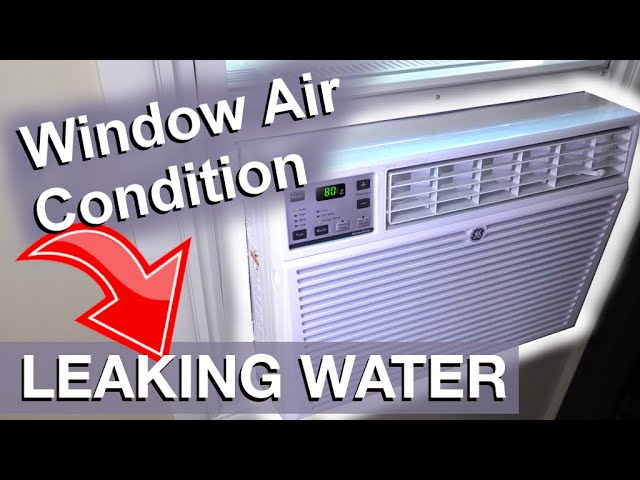
Youtube Video:
Quick Wiring Specifications & Terminal Guide
| Component / Circuit | Standard Wire Gauge | Recommended Protection |
|---|---|---|
| Control & Trigger Signals | 18 – 20 AWG | 5A – 7.5A Inline Fuse |
| Standard Auxiliary Load | 14 – 16 AWG | 15A – 20A Circuit Breaker |
| Main Power Feed / Supply | 10 – 12 AWG | 30A – 40A Heavy-Duty Relay |
Images References
Looking for more diagnostic guides? Explore our complete Air Conditioner Troubleshooting 3 section for step-by-step troubleshooting solutions.
