
Introduction
Frozen coils in your air conditioner are a common problem that can lead to a complete loss of cooling in your home, reduced airflow, and even damage to your AC system. This happens when the evaporator coil, the part responsible for cooling the air, gets too cold and ice forms on its surface. It’s crucial to address this issue quickly because a frozen coil can strain your system, potentially leading to costly repairs and a shorter lifespan for your unit. If your AC isn’t cooling as well as it should, or you notice ice forming on the indoor unit, it’s time to investigate.
💡 Technical Key Takeaways:
- Core Focus: Diagnostic schematic and terminal connection layout for Air Conditioner Frozen Coils.
- Target Scope: Field technicians, automotive DIYers, and residential/commercial electricians.
- Safety Rule: Always disconnect the primary power source/battery terminal and verify zero voltage with a multimeter before touching wires.
Common Causes of Air Conditioner Frozen Coils
Here are some of the most frequent reasons why your air conditioner coils might freeze:
- Low Refrigerant: The most common cause! Refrigerant absorbs heat. If it’s low, the pressure drops and the coil gets too cold.
- Dirty Air Filter: A clogged filter restricts airflow, causing the coil to overcool.
- Restricted Airflow: Blocked vents or closed registers can also reduce airflow, leading to freezing.
- Dirty Evaporator Coils: Dirt and dust on the coils act as insulation, preventing proper heat transfer and causing the coil to get too cold.
- Faulty Blower Motor: If the blower fan isn’t pushing enough air across the coils, they can freeze.
- Low Outdoor Temperature: Running your AC when the outside temperature is too low (typically below 60F) can cause the coils to freeze. Many AC units are not designed for low ambient temperature operation.
- Damaged or Bent Coil Fins: Bent fins restrict airflow.
- Blocked Condensate Drain: A clogged drain line can cause water to back up and freeze on the coils.
Symptoms Checklist
Look for these indicators to confirm if you have frozen AC coils:
- No Cold Air: The most obvious sign! Your AC is running, but the air is not cool.
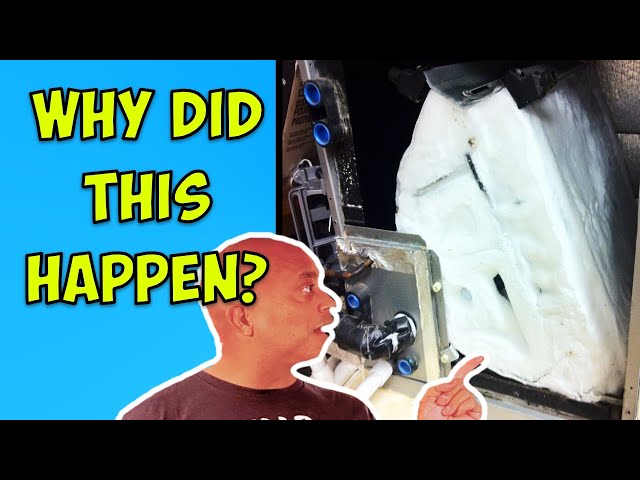
- Visible Ice on the Indoor Unit: Ice formation on the copper lines or the coil itself.
- Reduced Airflow: Weak or no air coming from the vents.
- Water Leaking: As the ice melts, you might notice water leaks around the indoor unit.
- Strange Noises: Gurgling or hissing sounds coming from the unit.
- AC Runs Constantly: The unit never seems to cycle off.
How to Fix Air Conditioner Frozen Coils Step-by-Step Guide
Follow these steps to troubleshoot and potentially fix the problem:
- Turn off the AC: Immediately turn off your air conditioner to allow the ice to melt. Leaving it on will only make the problem worse and could damage your system.
- Turn on the Fan: Set your thermostat to “Fan Only” mode. This will help circulate air and speed up the melting process.
- Wait for the Ice to Melt: This could take several hours, or even a full day depending on the severity of the ice buildup. Patience is key!
- Check the Air Filter: Locate your air filter (usually inside the indoor unit or in a wall/ceiling vent). If it’s dirty, replace it with a new one. A clean filter is essential for proper airflow.
- Inspect Airflow: Make sure all vents are open and unobstructed. Check for furniture or curtains blocking vents.
- Clean the Evaporator Coils (If Accessible): If you can safely access the evaporator coils (usually behind a panel on the indoor unit), use a soft brush or vacuum cleaner with a brush attachment to gently remove any dust or debris. Be careful not to damage the delicate fins.
- Check the Condensate Drain Line: Locate the condensate drain line (a PVC pipe usually near the indoor unit). Check for any clogs or blockages. You can try using a wet/dry vacuum to clear the line.
- Ensure Outdoor Unit is Clear: Check that the outdoor unit is free of obstructions. Remove any leaves, branches, or debris that may be blocking airflow around the unit.
- Restart the AC: After the ice has completely melted and you’ve addressed the potential causes, turn the AC back on and monitor its performance.
- Monitor Refrigerant Lines: If you have some technical skill, inspect the larger refrigerant lines for obvious damage or leaks while the AC is running. If you see oil residue where lines are connected, there could be a leak.
- Continue Monitoring: Check the AC again after a few hours. If the coils freeze up again, it indicates a more serious problem that requires professional attention.
Fix the Issue Without Buying Parts
Often, frozen coils can be resolved without immediately resorting to replacing parts:
- Regular Cleaning: Clean your air filter monthly. Dirty filters kill AC performance.
- Inspect Vent Obstructions: Make sure that furniture and other objects are not obstructing the return and supply vents.
- Blower Fan Inspection: Check for anything that will prevent the blower fan from working, such as belts (on older units).
- Airflow Optimization: Dont close vents in unused rooms. Close supply vents only causes more pressure on return vents, reducing airflow and causing ice.
When Replacement Might Be Necessary
While you can try the troubleshooting steps above, some situations require professional help and potentially parts replacement:
- Refrigerant Leak: If low refrigerant is the issue, a leak needs to be located and repaired. Cost varies widely, from $200 to $1500+ depending on the leak location and the amount of refrigerant needed.
- Blower Motor Failure: If the blower motor is faulty, it will need to be replaced. Expect to pay between $200 and $800 for this repair.
- Compressor Failure: In severe cases, a frozen coil could indicate a problem with the compressor, the heart of the AC unit. Replacing the compressor is a major repair and can cost between $800 and $2000 or more.
Safety Warning
Take these precautions before working on your AC unit:
- Turn off the Power: Always disconnect the power to the AC unit at the breaker box before attempting any repairs.
- Avoid Water: Never work on electrical components while standing in water or on a wet surface.
- Sharp Edges: Be careful of sharp metal edges inside the unit.
- Refrigerant: Refrigerant is harmful. Do not attempt to handle refrigerant. Call a professional.
Tools You May Need
Having these tools on hand can make the troubleshooting process easier:
- Screwdriver (Phillips and flathead)
- New Air Filter
- Soft Brush or Vacuum with Brush Attachment
- Wet/Dry Vacuum
- Flashlight
FAQ
Here are some common questions about air conditioner frozen coils:
-
Q: How long does it take for AC coils to freeze?
A: It can happen within a few hours, especially if the airflow is severely restricted or the refrigerant is very low. -
Q: Can I use a hairdryer to melt the ice?
A: No, using a hairdryer can damage the components of your AC unit. -
Q: How often should I change my air filter?
A: At least every 1-3 months, or more frequently if you have pets or allergies. -
Q: What happens if I ignore frozen coils?
A: Ignoring frozen coils can lead to compressor damage, costly repairs, and a shorter lifespan for your AC unit.
Conclusion
Don’t panic! Frozen AC coils are a common issue, and you can often resolve the problem yourself by following these simple steps. By maintaining your AC unit and taking preventative measures, you can avoid frozen coils and keep your home cool and comfortable. If the problem persists after trying these solutions, it’s best to call a qualified HVAC technician for professional assistance. They will have the tools and expertise to diagnose and repair the underlying issue. For more related activities, check out our Central Air Freezing Up.
Youtube Video:
Quick Wiring Specifications & Terminal Guide
| Component / Circuit | Standard Wire Gauge | Recommended Protection |
|---|---|---|
| Control & Trigger Signals | 18 – 20 AWG | 5A – 7.5A Inline Fuse |
| Standard Auxiliary Load | 14 – 16 AWG | 15A – 20A Circuit Breaker |
| Main Power Feed / Supply | 10 – 12 AWG | 30A – 40A Heavy-Duty Relay |
Images References
Looking for more diagnostic guides? Explore our complete Air Conditioner Troubleshooting 1 section for step-by-step troubleshooting solutions.
