
Introduction
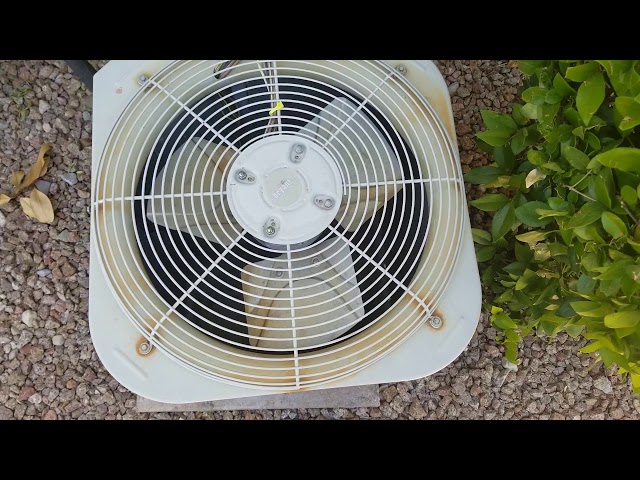
A noisy air conditioner fan motor is a common issue that homeowners face, especially during peak cooling season. The noise, which can range from a light hum to a loud screech, indicates that something isn’t right with the motor itself or surrounding components. Ignoring these noises can lead to more significant damage and a complete AC breakdown, potentially leaving you without cool air when you need it most. Addressing the issue promptly can save you money and keep your AC running smoothly.
💡 Technical Key Takeaways:
- Core Focus: Diagnostic schematic and terminal connection layout for Air Conditioner Fan Motor Making Noise.
- Target Scope: Field technicians, automotive DIYers, and residential/commercial electricians.
- Safety Rule: Always disconnect the primary power source/battery terminal and verify zero voltage with a multimeter before touching wires.
Common Causes of air conditioner fan motor making noise
Several factors can cause a noisy AC fan motor:
- Debris Obstruction: Leaves, twigs, or other debris can get caught in the fan blades, causing them to scrape against the housing.
- Loose Components: Screws, bolts, or the fan blades themselves can loosen over time, creating vibrations and noise.
- Lack of Lubrication: The fan motor’s bearings require lubrication to function quietly. Over time, this lubrication can dry out, leading to squealing or grinding noises.
- Worn Bearings: Even with lubrication, bearings eventually wear out, causing the motor to become noisy and inefficient.
- Bent Fan Blades: If a fan blade is bent, it can create an imbalance and cause the motor to vibrate excessively.
- Motor Mount Issues: The rubber mounts that secure the motor can degrade over time, allowing the motor to vibrate and create noise.
- Electrical Issues: Though less common, electrical problems within the motor itself can sometimes cause unusual noises.
- Improper Installation: If the AC unit wasn’t properly installed, the fan motor may be under undue stress, leading to premature wear and noise.
Symptoms Checklist
Use this checklist to accurately identify the issue:
- Loud humming or buzzing sounds coming from the outdoor unit.
- Squealing or grinding noises emanating from the fan area.
- Clicking sounds that correspond with the fan’s rotation.
- Vibrations felt in the outdoor unit casing.
- The fan struggling to start or spinning slower than usual.
- A burning smell accompanying the noise.
- The noise gets louder when the AC is running for a longer period.
- Visible debris or obstructions around the fan blades.
How to Fix air conditioner fan motor making noise Step-by-Step Guide
Follow these steps to troubleshoot and potentially fix the problem:
- Safety First: Turn off the AC unit at the thermostat and then locate the breaker for the outdoor unit in your electrical panel. Turn the breaker off. This is crucial for your safety.
- Visual Inspection: Carefully examine the fan blades for any visible debris, such as leaves, twigs, or other obstructions.
- Debris Removal: Use your hands (wearing gloves) or a small brush to remove any debris from the fan blades and the surrounding area.
- Blade Tightness Check: Gently try to wiggle each fan blade. If any are loose, tighten the screws holding them in place.
- Blade Straightness Check: Visually inspect each blade for bends or damage. If a blade is bent, try to gently straighten it. Be careful not to break the blade.
- Motor Mount Inspection: Check the rubber motor mounts (if visible) for cracks or degradation.
- Lubrication (if applicable): Some fan motors have lubrication ports. If you find any, use a few drops of electric motor oil to lubricate the bearings. If you don’t see these, skip this step.
- Obstruction Check around motor: Look at the area near the motor for any possible obstructions that may need removing.
- Clean the surrounding area: Use a shop vac to clean dirt and debris from the general fan area.
- Test Run (Briefly): Turn the breaker back on and set the thermostat to cool. Observe the fan motor. Does the noise persist? If yes, proceed to the next steps. Turn breaker off after test.
- Listen closely to noise source: Use a piece of hose or tubing to pinpoint noise location, getting close to moving parts.
- Check for loose parts: Look for any other loose parts which you can tighten up.
- Second Test Run: Turn the breaker back on and set the thermostat to cool. Observe the fan motor. Does the noise persist? If yes, the motor itself might have internal damage and requires professional help.
- Power Down Again: Turn off the breaker after testing is complete.
Fix the Issue Without Buying Parts
Often, simple maintenance can resolve the noise issue:
- Regular Cleaning: Clean the outdoor unit regularly to prevent debris buildup.
- Proper Landscaping: Trim bushes and trees near the unit to minimize debris falling into it.
- Seasonal Inspection: Inspect the fan blades and motor for looseness and damage at the start of each cooling season.
When Replacement Might Be Necessary
If the noise persists after troubleshooting, the fan motor itself may be failing. Replacement cost can range from $150 to $400, including the part and labor. Common parts that fail include the motor bearings, windings, or the motor itself. Replacing the entire outdoor unit might be best if it is very old.
Safety Warning
- Always disconnect power to the AC unit before performing any maintenance.
- Be careful when working with fan blades, as they can be sharp.
- Avoid working on the AC unit in wet conditions.
- If you are uncomfortable working with electricity, consult a qualified HVAC technician.
Tools You May Need
- Screwdriver set (Phillips and flathead)
- Wrench set
- Gloves
- Small brush
- Electric motor oil (if applicable)
- Shop vacuum
FAQ
-
Q: Why is my AC fan motor making a high-pitched squealing noise?
A: This often indicates dry or worn bearings. Try lubricating the motor if possible, or consider professional repair. -
Q: What does it mean if the fan motor is humming loudly but not spinning?
A: This could indicate a seized motor or an electrical issue. Turn off the power and inspect the motor for obstructions. If nothing is visible, consult a technician. -
Q: How often should I clean my AC’s outdoor unit?
A: At least once a year, ideally before the start of the cooling season. More frequent cleaning may be necessary in areas with high debris levels. -
Q: Can I use any type of oil to lubricate the fan motor?
A: No, only use electric motor oil specifically designed for this purpose. Other oils can damage the motor.
Conclusion
Troubleshooting a noisy AC fan motor can often be accomplished with basic tools and a little bit of patience. By following these steps, you may be able to identify and resolve the issue yourself, saving money on repair costs. However, if the problem persists or you are uncomfortable working with electrical components, it is always best to consult a qualified HVAC technician.
Youtube Video:
Quick Wiring Specifications & Terminal Guide
| Component / Circuit | Standard Wire Gauge | Recommended Protection |
|---|---|---|
| Control & Trigger Signals | 18 – 20 AWG | 5A – 7.5A Inline Fuse |
| Standard Auxiliary Load | 14 – 16 AWG | 15A – 20A Circuit Breaker |
| Main Power Feed / Supply | 10 – 12 AWG | 30A – 40A Heavy-Duty Relay |
Images References
Looking for more diagnostic guides? Explore our complete Air Conditioner Troubleshooting 3 section for step-by-step troubleshooting solutions.
