
Introduction
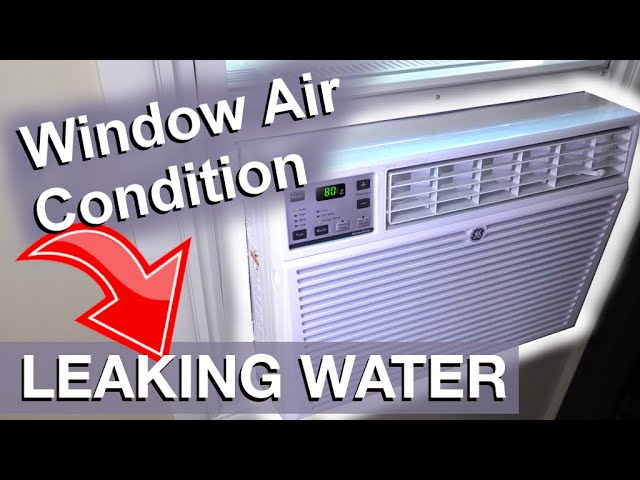
Is your window AC unit suddenly spitting water inside? It’s a common problem, and while it might seem alarming, it often has a simple fix. A little water dripping is normal, but a constant spitting stream indicates something is wrong. Ignoring it can lead to water damage inside your home, mold growth, and even damage to the AC unit itself. Let’s get this sorted out quickly!
💡 Technical Key Takeaways:
- Core Focus: Diagnostic schematic and terminal connection layout for Ac Window Unit Spitting Water.
- Target Scope: Field technicians, automotive DIYers, and residential/commercial electricians.
- Safety Rule: Always disconnect the primary power source/battery terminal and verify zero voltage with a multimeter before touching wires.
Common Causes of AC Window Unit Spitting Water
Here are some of the most common reasons why your AC unit might be spitting water:
- Incorrect Installation Angle: The unit needs to be tilted slightly backward so condensation can drain properly.
- Clogged Drain Hole: Dust, dirt, and debris can block the drain hole, causing water to back up.
- Dirty Air Filter: A clogged air filter restricts airflow, causing the evaporator coil to freeze and then melt, overflowing the drain pan.
- Frozen Evaporator Coils: Similar to a dirty filter, low refrigerant levels or a malfunctioning fan can cause the coils to freeze.
- Damaged Drain Pan: The drain pan underneath the coils can crack or rust, leading to leaks and spitting.
- High Humidity: Excessively humid conditions can overwhelm the AC unit’s drainage system.
- Bent or Damaged Fins: Damaged fins can disrupt airflow and lead to ice buildup.
- Dirty Coils: Dust and grime buildup on the coils can prevent proper heat exchange, leading to freezing.
Symptoms Checklist
Use this checklist to confirm the problem and identify possible causes:
- Water spitting out of the front of the AC unit.
- Water dripping from the back of the AC unit (especially if it’s excessive).
- Ice forming on the coils inside the unit.
- Unusual noises coming from the AC unit.
- Reduced cooling performance.
- Musty or moldy smell near the AC unit.
How to Fix AC Window Unit Spitting Water Step-by-Step Guide
Follow these steps to troubleshoot and fix the problem:
- Unplug the AC Unit: Safety first! Disconnect the power cord from the outlet before starting any work.
- Check the Installation Angle: Ensure the unit is tilted slightly backward, about inch lower at the back than the front. Use a level to check.
- Clean the Air Filter: Remove the air filter and wash it with mild soap and water. Let it dry completely before reinstalling.
- Locate the Drain Hole: It’s usually located at the back or bottom of the unit, either inside or outside.
- Clear the Drain Hole: Use a straightened paperclip, pipe cleaner, or small wire to gently clear any blockage in the drain hole.
- Inspect the Drain Pan: Look for cracks, rust, or debris in the drain pan. Clean it out if necessary.
- Melt Any Ice Buildup: If you see ice on the coils, unplug the unit and let it thaw completely. You can speed this up with a hairdryer on a low, cool setting (be careful not to melt plastic parts).
- Clean the Coils: Use a vacuum cleaner with a brush attachment to gently remove dust and debris from the coils. You can also use a fin comb to straighten bent fins.
- Inspect the Fins: Carefully straighten any bent or damaged fins with a fin comb.
- Reinstall the Unit: After cleaning and inspecting, carefully reinstall the AC unit, ensuring it’s properly supported and tilted.
- Plug in the Unit: Reconnect the power cord and turn on the AC unit.
- Monitor for Leaks: Observe the unit for a few hours to see if the spitting has stopped.
- Check the Room Humidity: If the humidity is very high, consider using a dehumidifier to reduce the load on your AC unit.
Fix the Issue Without Buying Parts
Here are some free methods to try before considering parts replacement:
- Reset the Unit: Unplug the unit for 15-20 minutes, then plug it back in. This can sometimes reset the internal controls.
- Deep Cleaning: Thoroughly clean all accessible parts of the unit, including the exterior, vents, and filter.
- Regular Filter Maintenance: Clean or replace the air filter monthly, especially during peak usage.
- Seasonal Inspection: Before the cooling season, inspect the unit for any signs of damage or wear.
When Replacement Might Be Necessary
If the above steps don’t resolve the issue, the drain pan might be severely damaged, the coils might be leaking refrigerant, or the compressor might be failing. Replacing the AC unit might be the most cost-effective option. A new window AC unit typically costs between $150 and $500, depending on the size and features. Common parts that fail and might warrant replacement include the compressor, fan motor, or circuit board, but professional diagnosis is recommended before replacing internal parts. For more related activities, check out our Ac Unit Has Water Around It.
Safety Warning
- Always unplug the AC unit before performing any maintenance or repairs.
- Avoid working on electrical components if you’re not comfortable with electrical work.
- Be careful when handling sharp objects like fin combs.
- Wear gloves to protect your hands from dirt and grime.
- Don’t spray water directly into the electrical components of the unit.
- Ensure the area around the AC unit is dry to prevent slips and falls.
Tools You May Need
- Screwdrivers (Phillips and flathead)
- Adjustable wrench
- Vacuum cleaner with brush attachment
- Fin comb
- Paperclip or pipe cleaner
- Level
- Mild soap and water
- Gloves
FAQ
Here are some frequently asked questions about AC units spitting water:
- Q: Why is my AC unit spitting water only on humid days? A: High humidity puts extra strain on the unit, causing more condensation. Make sure the drain hole is clear.
- Q: Is it dangerous if my AC unit spits water? A: Not directly dangerous, but prolonged water damage can lead to mold growth and damage to your home.
- Q: How often should I clean my AC filter? A: At least once a month, or more frequently if you have pets or allergies.
- Q: My AC unit is still spitting water after cleaning. What should I do? A: If cleaning doesn’t work, you may need to call a qualified technician to diagnose the problem.
Conclusion
Don’t let a spitting AC unit ruin your summer comfort! By following these steps, you can often diagnose and fix the problem yourself, saving time and money. If you’ve tried everything and your AC unit is still spitting water, it’s best to call a qualified HVAC technician for professional assistance. Good luck, and stay cool!
Youtube Video:
Quick Wiring Specifications & Terminal Guide
| Component / Circuit | Standard Wire Gauge | Recommended Protection |
|---|---|---|
| Control & Trigger Signals | 18 – 20 AWG | 5A – 7.5A Inline Fuse |
| Standard Auxiliary Load | 14 – 16 AWG | 15A – 20A Circuit Breaker |
| Main Power Feed / Supply | 10 – 12 AWG | 30A – 40A Heavy-Duty Relay |
Images References
Looking for more diagnostic guides? Explore our complete Air Conditioner Troubleshooting 3 section for step-by-step troubleshooting solutions.
