
Introduction
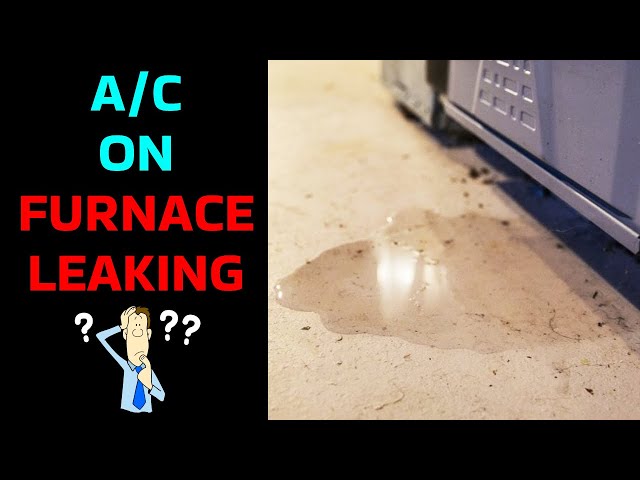
Finding your air conditioner and furnace setup is dripping water can be a cause for concern. This typically means there’s an issue within the system preventing proper drainage. It’s important to address this problem quickly because standing water can lead to mold growth, water damage to your home, and even potentially damage to your furnace and AC unit. You might notice this happening more often during periods of heavy AC use, such as hot summer days. Dont ignore it; let’s get to the bottom of this issue right away.
💡 Technical Key Takeaways:
- Core Focus: Diagnostic schematic and terminal connection layout for Ac Furnace Dripping Water.
- Target Scope: Field technicians, automotive DIYers, and residential/commercial electricians.
- Safety Rule: Always disconnect the primary power source/battery terminal and verify zero voltage with a multimeter before touching wires.
Common Causes of ac furnace dripping water
Here are some of the most common reasons why your AC and furnace setup is dripping water:
- Clogged Condensate Drain Line: This is the most frequent culprit. The condensate drain line carries water away from the AC unit. If it gets blocked with algae, dirt, or debris, water can back up and overflow.
- Dirty Air Filter: A clogged air filter restricts airflow, causing the evaporator coil to freeze. When the ice melts, it creates excessive water.
- Frozen Evaporator Coil: As mentioned above, restricted airflow, or low refrigerant can cause the evaporator coil to freeze.
- Low Refrigerant Levels: Low refrigerant can also cause the evaporator coil to freeze due to altered pressure and temperature.
- Broken Condensate Pump: Some systems, especially those in basements, use a condensate pump to move water uphill. If the pump fails, water will accumulate.
- Improper Installation: If the AC unit or condensate drain line wasn’t installed correctly, it might not be properly sloped for drainage.
- Damaged Drain Pan: The drain pan beneath the evaporator coil can rust or crack, leading to leaks.
- High Humidity: Very humid days put extra strain on the AC, producing more condensate than the system is designed to handle.
Symptoms Checklist
Look for these signs to confirm the issue:
- Water dripping from the furnace or AC unit.
- Water stains on the ceiling or floor near the unit.
- Musty odor coming from the vents or around the unit.
- The AC unit not cooling as efficiently as it used to.
- Visible ice on the evaporator coil.
- Standing water in the drain pan.
How to Fix ac furnace dripping water Step-by-Step Guide
- Turn Off the Power: Before you start any troubleshooting, turn off the power to the furnace and AC unit at the breaker box for safety.
- Inspect the Air Filter: Remove the air filter and check if its dirty. If it is, replace it with a new one. A clean filter ensures proper airflow.
- Locate the Condensate Drain Line: This is usually a PVC pipe coming out of the indoor AC unit. It’s often located near the furnace.
- Check for Clogs: Look for any visible blockage in the drain line.
- Clear the Drain Line with a Wet/Dry Vacuum: Attach a wet/dry vacuum to the end of the drain line and suck out any debris or blockage. You might need to seal the connection with duct tape for better suction.
- Flush the Drain Line: Pour a cup of white vinegar into the drain line. Vinegar helps dissolve algae and mildew. Let it sit for about 30 minutes, then flush with water.
- Check the Drain Pan: Inspect the drain pan for cracks or rust. If you find any damage, it might need to be replaced (but we will look at fixes first).
- Check the Condensate Pump (If Applicable): If your system has a condensate pump, make sure it’s plugged in and running. Listen for any unusual noises.
- Pour Water into the Drain Pan: Pour a small amount of water into the drain pan to see if it drains properly.
- Inspect the Evaporator Coil: If you can safely access the evaporator coil (usually behind an access panel), check for ice buildup. If theres ice, let it thaw completely.
- Check the Thermostat Setting: Ensure your thermostat is set correctly and not set to a temperature that’s too low, causing the unit to overwork.
- Turn the Power Back On: After completing the above steps, turn the power back on at the breaker box.
- Monitor the Unit: Observe the unit for a few hours to see if the dripping stops.
- Confirm Condensate Line Slope: Ensure the condensate line has a downward slope allowing gravity to pull the water towards the exit point.
Fix the Issue Without Buying Parts
Before thinking about replacements, try these free methods:
- Reset the System: Turn off the power at the breaker for 30 minutes, then turn it back on. This can sometimes reset the system and resolve minor issues.
- Clean the Drain Line Regularly: Pour a cup of vinegar down the drain line every few months to prevent clogs.
- Regular Filter Checks: Replace the air filter every 1-3 months, depending on usage and the type of filter.
- Inspect for Ice Buildup: Regularly check the evaporator coil for ice, especially during periods of heavy AC use.
- Properly Insulate Condensate Line: Insulate the condensation line to prevent condensation buildup on its surface that will drip.
When Replacement Might Be Necessary
If the dripping persists after trying the above steps, you may need to consider replacing some parts. A cracked drain pan ($50-$150) or a faulty condensate pump ($100-$300) are common culprits. Low refrigerant requires a professional to diagnose and recharge the system (ranging from $200-$800), but severe leaks may mean that the AC unit should be replaced instead. If the evaporator coil is severely corroded, that also might be a sign that it’s time to replace it instead of patching it up. All prices are estimations and do not include labor costs. For more related activities, check out our Aircon Is Leaking Water.
Safety Warning
- Always turn off the power at the breaker box before working on the unit.
- Avoid touching any electrical components with wet hands.
- Be careful when working on ladders or elevated surfaces.
- If you are uncomfortable performing any of these steps, contact a qualified HVAC technician.
Tools You May Need
- Wet/Dry Vacuum
- Screwdriver
- White Vinegar
- Duct Tape
- New Air Filter
- Flashlight
FAQ
Here are some frequently asked questions about AC furnace dripping water:
- Q: Why is my AC dripping water even after I cleaned the drain line? A: There may be a second clog further down the line, or the problem might be a frozen evaporator coil. Make sure to check both.
- Q: How often should I clean my AC’s drain line? A: Ideally, you should clean it every 3-6 months to prevent clogs from forming.
- Q: Can low refrigerant cause my AC to drip water? A: Yes, low refrigerant can cause the evaporator coil to freeze, which then melts and drips.
- Q: Is it safe to run my AC if it’s dripping water? A: It’s best to turn it off until you resolve the issue to prevent further damage and potential mold growth.
- Q: I don’t see any visible clogs, but water is still dripping. What could it be? A: A partial clog can restrict airflow, or there might be a crack in the drain pan that is difficult to see without close inspection.
Conclusion
Dealing with an AC furnace dripping water can be a bit of a hassle, but with a systematic approach, you can often diagnose and fix the problem yourself. Remember to start with the simplest solutions, like checking the air filter and cleaning the drain line. If you’ve exhausted all DIY options and the dripping persists, it’s best to call a qualified HVAC technician to avoid further damage and ensure your system is running efficiently and safely. You’ve got this!
Youtube Video:
Quick Wiring Specifications & Terminal Guide
| Component / Circuit | Standard Wire Gauge | Recommended Protection |
|---|---|---|
| Control & Trigger Signals | 18 – 20 AWG | 5A – 7.5A Inline Fuse |
| Standard Auxiliary Load | 14 – 16 AWG | 15A – 20A Circuit Breaker |
| Main Power Feed / Supply | 10 – 12 AWG | 30A – 40A Heavy-Duty Relay |
Images References
Looking for more diagnostic guides? Explore our complete Air Conditioner Troubleshooting 2 section for step-by-step troubleshooting solutions.
