
Introduction
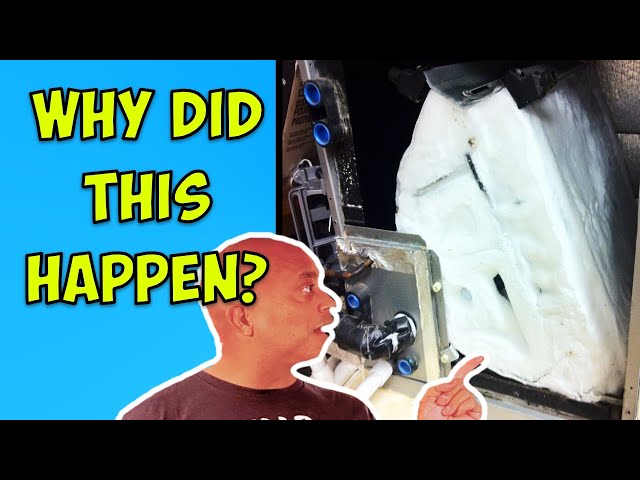
Discovering your AC isn’t blowing cold air, or worse, seeing ice forming on the indoor unit, is a common problem called a “frozen AC coil”. This happens when the evaporator coil (the part that cools the air) gets too cold and moisture freezes on it. Not only does it stop your AC from working, but it can also damage your system if left unattended. It’s important to address this quickly to prevent further issues and get your cooling system back up and running.
💡 Technical Key Takeaways:
- Core Focus: Diagnostic schematic and terminal connection layout for Ac Coil Froze Up.
- Target Scope: Field technicians, automotive DIYers, and residential/commercial electricians.
- Safety Rule: Always disconnect the primary power source/battery terminal and verify zero voltage with a multimeter before touching wires.
Common Causes of AC Coil Froze Up
Several things can cause your AC coil to freeze. Here are some of the most common:
- Low Refrigerant: This is a frequent culprit. If refrigerant levels are low due to a leak, the coil gets too cold.
- Dirty Air Filter: A clogged filter restricts airflow, making the coil colder.
- Restricted Airflow: Closed vents or blocked returns can also limit airflow.
- Dirty Evaporator Coil: Dust and dirt on the coil act as insulation, trapping cold air.
- Blower Fan Issues: A malfunctioning blower fan won’t circulate enough air over the coil.
- Extremely Low Outside Temperature: Running your AC when it’s very cold outside can cause freezing. Some units aren’t designed for very cold environments.
- Frozen Condensate Drain Line: A blocked drain line can cause ice to form back into the unit and onto the coils.
- Mechanical Failure: Although less common, component failure in the compressor can cause it to over-cool the refrigerant leading to coil freezing.
Symptoms Checklist
Here’s what to look for to confirm a frozen AC coil:
- No Cold Air: The most obvious sign.
- Ice on the Indoor Unit: Visually inspect the coil; ice is a dead giveaway.
- Reduced Airflow: Weak airflow from your vents.
- AC Runs Constantly: It’s trying to reach the set temperature but can’t.
- Water Leaking: When the ice melts, it can create a large puddle.
- Higher Energy Bills: Inefficient operation leads to increased energy consumption.
How to Fix AC Coil Froze Up Step-by-Step Guide
Follow these steps to troubleshoot and potentially fix your frozen AC coil:
- Turn Off Your AC: Switch off your AC at the thermostat AND the breaker. This will allow the ice to melt.
- Change the Air Filter: A dirty filter is a very common cause. Replace it with a new, clean filter.
- Let the Ice Melt: Allow several hours (ideally 24 hours) for the ice to completely melt. You can speed this up by pointing a fan at the coil.
- Inspect for Obstructions: Check the vents and return air grilles throughout your home. Make sure nothing is blocking them (furniture, rugs, etc.).
- Turn on the Fan: After the ice has melted, turn on the fan setting on your thermostat (without the AC) for a few hours to dry the coil.
- Check the Condensate Drain Line: Locate the drain line (usually a PVC pipe) and make sure it’s not clogged. You can try using a wet/dry vacuum to clear any blockage.
- Restart Your AC: After completing steps 1-6, turn your AC back on. Monitor it closely.
- Observe Airflow: Check the airflow from the vents. Is it stronger than before?
- Monitor Coil: Visually inspect the coil periodically to ensure ice is not reforming.
- Check Thermostat Settings: Make sure your thermostat is set correctly and that the temperature is not set too low. Setting the temperature too low puts excess strain on the AC system.
- Inspect Outdoor Unit: Check for debris around the outside unit. Clear leaves, grass clippings, or other obstructions.
Fix the Issue Without Buying Parts
Before considering parts replacements, try these free methods:
- Reset: Turn off the system for an extended period and then turn it back on.
- Cleaning: Clean the filter and clear any obstructions to improve airflow.
- Inspection Tips: Look for obvious signs of blockage or damage.
- Maintenance Basics: Regularly replace your air filter and clean the outdoor unit.
When Replacement Might Be Necessary
If the problem persists after trying the above steps, you might need to consider a professional repair, and possibly component replacement. The most common parts that fail and lead to frozen coils are the refrigerant itself (due to leaks, requiring a recharge and leak fix), the blower motor (if it’s not circulating air properly), or even the compressor. Refrigerant leak repair and recharge can range from $200 to $800, while a new blower motor can cost between $150 and $500, and a compressor replacement is a significant expense, typically ranging from $800 to $2500 or more. However, replacing parts should be a last resort after exhausting all other troubleshooting steps.
Safety Warning
- Unplug the AC: Always turn off the power at the breaker before working on the unit.
- Avoid Wet Floors: Be careful of water from melting ice, which can create slippery conditions.
- Sharp Edges: Watch out for sharp metal edges inside the unit.
- Professional Help: If you’re uncomfortable with any of these steps, call a qualified HVAC technician.
Tools You May Need
Here’s a list of basic tools you might find helpful:
- Screwdriver (Phillips and flathead)
- Wet/Dry Vacuum
- New Air Filter
- Flashlight
- Work Gloves
FAQ
Here are some frequently asked questions about frozen AC coils:
- Q: How long does it take for an AC coil to thaw? A: It can take anywhere from a few hours to 24 hours, depending on the severity of the ice buildup.
- Q: Can I use a hairdryer to melt the ice faster? A: While it might seem tempting, avoid using a hairdryer as it can damage the components.
- Q: Why does my AC freeze up even with a clean filter? A: Other causes, like low refrigerant or a blower fan issue, might be the culprit.
- Q: How often should I change my air filter? A: Typically, every 1-3 months, depending on usage and air quality.
Conclusion
Fixing a frozen AC coil might seem daunting, but by following these steps, you can often resolve the issue yourself. Remember to prioritize safety and try the free solutions first. If you’re still experiencing problems after troubleshooting, it’s best to call a qualified HVAC technician to diagnose and repair the issue properly. Don’t let a frozen coil leave you sweating tackle it head-on!
Youtube Video:
Quick Wiring Specifications & Terminal Guide
| Component / Circuit | Standard Wire Gauge | Recommended Protection |
|---|---|---|
| Control & Trigger Signals | 18 – 20 AWG | 5A – 7.5A Inline Fuse |
| Standard Auxiliary Load | 14 – 16 AWG | 15A – 20A Circuit Breaker |
| Main Power Feed / Supply | 10 – 12 AWG | 30A – 40A Heavy-Duty Relay |
Images References
Looking for more diagnostic guides? Explore our complete Air Conditioner Troubleshooting 2 section for step-by-step troubleshooting solutions.
