Introduction
A central air conditioning system relies on a blower to circulate cool air throughout your home. When the blower isn’t working, your AC unit might still run, but you won’t feel any cool air coming from the vents. This can be caused by a number of problems, from simple issues like a tripped breaker to more complex ones like a faulty motor. Addressing this promptly is crucial, as it can lead to uncomfortable temperatures, potential damage to your AC system due to overheating, and increased energy bills as the unit struggles to cool your home.
Common Causes of Blower on Central Air Not Working
Here are some common reasons why your AC blower might not be working:
- Tripped Circuit Breaker: The blower motor has its own circuit. If it overloads, the breaker will trip.
- Blown Fuse: Similar to a circuit breaker, a blown fuse can cut power to the blower.
- Dirty Air Filter: A clogged filter restricts airflow, causing the blower motor to overheat and potentially fail.
- Faulty Capacitor: The capacitor helps start and run the blower motor. If it’s weak or damaged, the motor may not start.
- Overheated Motor: The motor may overheat due to restricted airflow, age, or other issues.
- Loose Wiring: Loose connections can prevent the blower motor from receiving power.
- Damaged Blower Motor: The motor itself could be damaged or worn out.
- Faulty Blower Motor Relay: This relay sends power to the blower motor. If it fails, the motor won’t run.
- Frozen Evaporator Coil: Ice buildup restricts airflow, causing the blower to struggle and potentially stop.
Symptoms Checklist
Use this checklist to accurately identify the issue:
- No air is coming from the vents when the AC is turned on.
- The outdoor AC unit is running, but the blower inside is not.
- You hear a humming sound from the indoor unit, but the blower doesn’t start.
- The circuit breaker for the AC keeps tripping.
- The air filter is visibly dirty or clogged.
- The evaporator coil (inside the indoor unit) appears to be covered in ice.
How to Fix Blower on Central Air Not Working Step-by-Step Guide
Follow these steps to troubleshoot your AC blower:
- Turn off the AC system: Locate the thermostat and turn the system to the “Off” position.
- Turn off the power: Go to your electrical panel and turn off the circuit breaker that controls the AC unit. This is crucial for safety.
- Inspect the air filter: Remove the air filter and check if it’s dirty. If it is, replace it with a new one. A clean filter is essential for proper airflow.
- Check the circuit breaker: Go back to the electrical panel and make sure the AC circuit breaker hasn’t tripped. If it has, reset it. If it trips again immediately, there’s likely a more serious electrical problem.
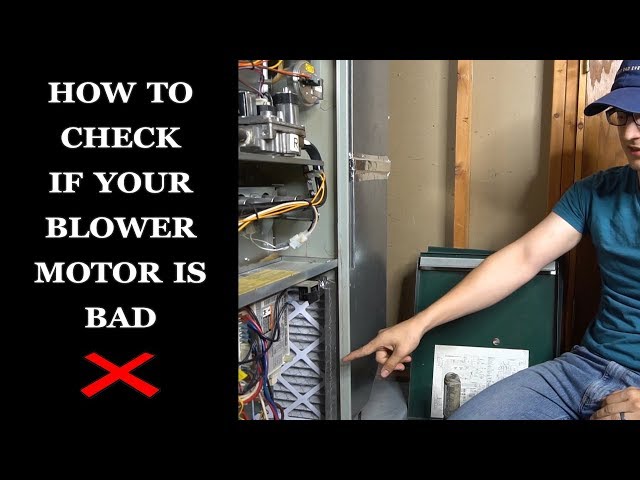
- Examine the blower compartment: Locate the indoor unit (usually in the basement or attic). Remove the access panel to expose the blower motor.
- Inspect the blower motor: Visually inspect the blower motor for any signs of damage, such as burnt wires or oil leaks.
- Check the wiring connections: Ensure all wires connected to the blower motor are secure and not loose or corroded.
- Spin the blower fan manually: With the power off, try to spin the blower fan by hand. It should spin freely. If it’s stiff or makes noise, there may be an obstruction or bearing problem.
- Check the capacitor (if accessible): Some units have an easily accessible capacitor near the blower motor. Look for signs of bulging or leaking. Note: Capacitors can hold a charge, so avoid touching the terminals unless you know how to safely discharge them.
- Thaw a frozen evaporator coil: If you suspect a frozen coil, turn the system off and allow it to thaw for several hours. Improve airflow by replacing the air filter. You can also use a hairdryer (on low setting and with extreme caution) to help thaw the ice, but keep it a safe distance from any electrical components.
- Turn the power back on: After addressing any potential issues, turn the circuit breaker back on.
- Turn the AC system back on: Set the thermostat to “Cool” and lower the temperature to see if the blower starts.
- Observe the system: Watch and listen to the system for a few minutes to see if the blower runs smoothly and if cool air is coming from the vents.
- If the blower still doesn’t work: Repeat steps 1-13. Some errors are intermittent and can correct themselves.
- If problem persists Consult with certified professional.
Fix the Issue Without Buying Parts
Before considering replacement parts, try these free fixes:
- Reset the circuit breaker: A simple reset can sometimes resolve temporary electrical glitches.
- Clean the air filter: A clean filter improves airflow and reduces strain on the blower motor.
- Manually spin the blower fan: Sometimes, a gentle nudge is all it takes to get the motor started (after power is off).
- Inspect for obstructions: Check for debris blocking the blower fan or vents.
- Ensure proper ventilation: Make sure the indoor unit has adequate space for airflow around it.
When Replacement Might Be Necessary
If troubleshooting doesn’t resolve the issue, replacement might be needed:
- Blower motor: If the motor is damaged, burnt out, or making excessive noise, replacement is necessary. Costs range from $200 to $800, including labor.
- Capacitor: A faulty capacitor can prevent the motor from starting. Replacement costs range from $50 to $200, including labor.
- Blower motor relay: If the relay is faulty, it won’t send power to the motor. Replacement costs range from $50 to $150, including labor.
Safety Warning
- Always turn off the power to the AC unit at the circuit breaker before working on any electrical components.
- Never touch any electrical components with wet hands or while standing on a wet surface.
- If you’re uncomfortable working with electricity, call a qualified HVAC technician.
- Be cautious when handling capacitors, as they can hold an electrical charge even when the power is off.
Tools You May Need
- Screwdrivers (Phillips and flathead)
- Wrench or socket set
- Multimeter (optional, for testing electrical components)
- Flashlight
- New air filter
FAQ
Q: Why is my AC blowing warm air instead of cold?A: This could be due to a malfunctioning blower, a refrigerant leak, or a problem with the compressor.
Q: How often should I replace my air filter?A: Generally, you should replace your air filter every 1-3 months, depending on usage and air quality.
Q: What does SEER mean?A: SEER stands for Seasonal Energy Efficiency Ratio and measures how efficiently an air conditioner cools your home. Higher SEER means better energy efficiency.
Q: Can I clean my air filter instead of replacing it?A: Some air filters are washable, but most are disposable. Check the filter’s instructions to see if it can be cleaned.
Q: My AC is making a loud humming noise but the blower isn’t starting. What could it be? A: This is often a sign of a failing capacitor or a seized blower motor.
Conclusion
Troubleshooting a non-working AC blower can seem daunting, but by following these steps, you can often diagnose and fix the problem yourself. Remember to prioritize safety and turn off the power before working on any electrical components. If you’re uncomfortable with any of these steps, or if the problem persists, don’t hesitate to call a qualified HVAC technician for assistance. Taking a DIY approach can save you money and help you understand your home’s AC system better. However, a professional diagnosis might be the best course of action to prevent more complex problems.
Youtube Video:
Looking for more useful options?
Check out recommended resources that others find helpful.