Introduction
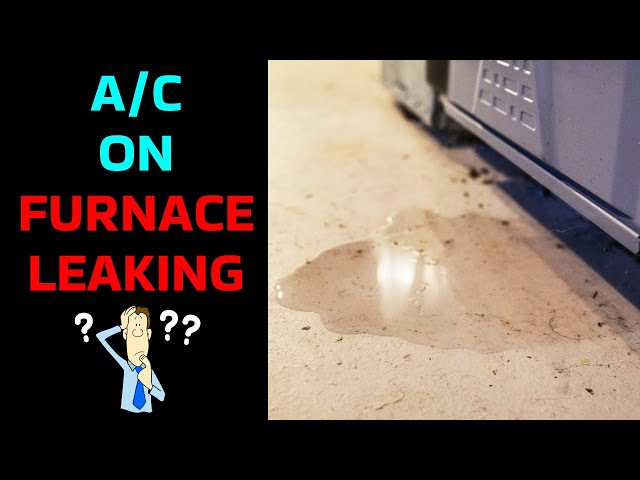
Finding water dripping from the front of your air conditioning unit can be alarming. This isn’t normal condensation; it’s a sign that water is accumulating inside the unit and finding an escape route other than the designated drain. This issue is common during periods of high humidity or heavy AC use. It’s important to address it quickly, as continued dripping can damage your walls, floors, and even lead to mold growth. This guide will walk you through the most common causes and provide simple steps to troubleshoot and fix the problem.
Common Causes of AC Water Dripping From Front
Several factors can lead to water dripping from the front of your AC unit:
- Clogged Drain Line: This is the most frequent culprit. Algae, mold, and debris can build up inside the drain line, preventing water from flowing out properly.
- Dirty Air Filter: A clogged air filter restricts airflow, causing the evaporator coil to freeze. When the ice melts, the excess water can overwhelm the drainage system.
- Frozen Evaporator Coil: Similar to a dirty filter, low refrigerant levels or a malfunctioning blower motor can also cause the evaporator coil to freeze.
- Broken Drain Pan: The drain pan collects condensation from the evaporator coil. If it’s cracked or damaged, water will leak out. (less common in front leaks).
- Improper Installation: If the AC unit isn’t installed correctly, it might not be level, causing water to collect and spill.
- Refrigerant Leak: Low refrigerant can lead to a frozen evaporator coil, as mentioned above.
- Blocked Condensate Pump: (For units with condensate pumps) If the pump is blocked or malfunctioning, it won’t be able to remove the water, leading to overflow.
- Kinked or Disconnected Drain Line: The drain line might be kinked, preventing water flow, or it might have become disconnected from the unit.
Symptoms Checklist
Look for these signs to confirm the issue:
- Water dripping from the front of the AC unit.
- Visible ice buildup on the evaporator coils (if accessible).
- Musty or moldy odors coming from the unit.
- Reduced cooling efficiency.
- Water stains on the wall or floor around the unit.
- A full or overflowing drain pan (if visible).
How to Fix AC Water Dripping From Front Step-by-Step Guide
Follow these steps to troubleshoot the dripping:
- Turn Off the AC: Before doing anything, turn off the AC unit at the thermostat and breaker to avoid electrical hazards.
- Inspect the Air Filter: Remove the air filter and check if it’s dirty. If it is, clean or replace it. A clean filter improves airflow and prevents the coil from freezing.
- Locate the Drain Line: The drain line is usually a PVC pipe running from the indoor unit to the outside or a drain.
- Check for Obstructions in the Drain Line: Look for any visible kinks, bends, or blockages in the drain line. Straighten any kinks.
- Clear the Drain Line (Vacuum Method): Use a wet/dry vacuum to suck out any clogs. Place the vacuum hose over the end of the drain line outside and turn it on for a few minutes. This can dislodge most blockages.
- Clear the Drain Line (Vinegar Flush): If vacuuming doesn’t work, try flushing the drain line with white vinegar. Pour about a cup of vinegar into the drain line opening (usually accessible near the indoor unit). Let it sit for 30 minutes, then flush with water. Vinegar helps dissolve algae and mold.
- Inspect the Drain Pan: If you can access the drain pan (usually under the evaporator coil), check for cracks or damage. Even a small crack can cause leaks. (but usually not front leaks)
- Check for Ice Buildup: If you can see the evaporator coils (usually behind the filter), check for ice buildup. If there’s ice, allow it to thaw completely before proceeding. Use a hairdryer on a low setting to speed up the thawing process.
- Check Condensate Pump (if applicable): If your unit has a condensate pump, make sure it’s working properly. Check if the pump is clogged or if the float switch is stuck.
- Ensure the Unit is Level: Use a level to check if the AC unit is properly leveled. If it’s not, shim it until it is.
- Clean the Area Around the Unit: Remove any debris or obstructions that might be preventing proper drainage.
- Run the AC and Monitor: After completing these steps, turn the AC back on and monitor it for a few hours. Check for any further dripping.
- Check Drain Line Pitch: Ensure that the drain line slopes downwards away from the AC unit to facilitate proper drainage.
Fix the Issue Without Buying Parts
Many times, you can resolve the issue without spending any money:
- Reset the AC Unit: Turn off the AC at the thermostat and the breaker for a few minutes, then turn it back on. This can sometimes reset the system and resolve minor issues.
- Regular Cleaning: Clean the air filter regularly (every 1-3 months) to prevent clogs and ensure proper airflow.
- Visual Inspection: Regularly inspect the drain line, drain pan, and surrounding area for any signs of damage or obstruction.
- Maintenance Basics: Keep the area around the AC unit clean and free of debris.
When Replacement Might Be Necessary
In some cases, replacement may be the only option:
- Severely Damaged Drain Pan: If the drain pan is severely cracked or damaged beyond repair. Replacement drain pans typically cost $50 – $200.
- Refrigerant Leak: If a refrigerant leak is confirmed, a professional HVAC technician is needed. Repair costs vary greatly depending on the location and severity of the leak, but can range from $200 to $1000+. In some cases, the unit might be too old or inefficient to justify the repair cost.
- Faulty Condensate Pump: (if applicable) If the condensate pump is beyond repair and can’t be unclogged. Replacement pumps typically cost $50 – $150.
Safety Warning
- Always turn off the power to the AC unit at the breaker before performing any maintenance or repairs.
- Avoid contact with electrical components.
- Be careful when working with water to avoid slips and falls.
- If you’re uncomfortable performing any of these steps, contact a qualified HVAC technician.
Tools You May Need
- Screwdriver (Phillips and flathead)
- Wet/dry vacuum
- White vinegar
- Water hose
- Level
- Flashlight
FAQ
- Q: How often should I clean my AC’s air filter? A: At least every 1-3 months, or more frequently if you have pets or allergies.
- Q: Why is my AC dripping even after I cleaned the drain line? A: There may still be a partial blockage, or the evaporator coil might be frozen. Double-check both. Also consider a refrigerant leak.
- Q: Can a dirty air filter really cause water to leak from my AC? A: Yes! A dirty filter restricts airflow, causing the coil to freeze and eventually leak.
- Q: How do I know if my AC unit needs more refrigerant? A: Signs of low refrigerant include reduced cooling efficiency, ice buildup on the evaporator coils, and a hissing sound near the unit. Call a professional for refrigerant servicing.
Conclusion
Finding water dripping from your AC can be concerning, but with a little troubleshooting, you can often resolve the issue yourself. Start with the simple steps outlined in this guide, and don’t hesitate to call a qualified HVAC technician if you’re uncomfortable or if the problem persists. Addressing the issue promptly will prevent further damage and ensure your AC continues to cool your home efficiently.
Youtube Video:
Looking for more useful options?
Check out recommended resources that others find helpful.