Introduction
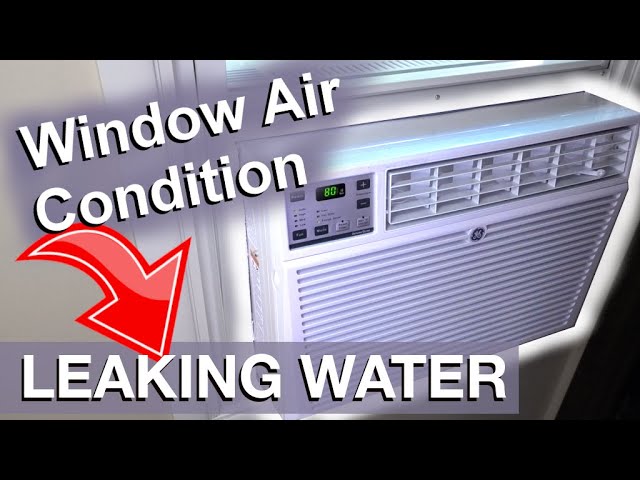
An air conditioning unit spitting water can be a frustrating and concerning problem, especially during hot summer months. It usually means something isn’t working correctly with the unit’s condensation management system. This issue isn’t just a nuisance; it can lead to water damage in your home, encourage mold growth, and even indicate a more serious mechanical problem with your AC. Addressing this promptly is important to prevent further damage and ensure your AC unit operates efficiently.
Common Causes of Air Conditioning Unit Spitting Water
Here are several reasons why your air conditioning unit might be spitting water:
- Clogged Condensate Drain Line: This is the most common cause. Algae, mold, and debris can build up and block the drain line, causing water to back up and leak.
- Dirty Air Filter: A dirty filter restricts airflow, causing the evaporator coil to get too cold and freeze. When the ice melts, it can overwhelm the drainage system.
- Low Refrigerant Levels: Low refrigerant can also cause the evaporator coil to freeze. Similar to a dirty air filter, the melting ice can lead to water leaks.
- Improper Installation: A unit that isn’t level or has drain lines that aren’t properly sloped can cause water to pool and leak.
- Damaged Drain Pan: The drain pan, which collects condensation, can crack or rust over time, leading to leaks and spitting water.
- High Humidity: On particularly humid days, your AC unit may struggle to remove moisture from the air efficiently, leading to excessive condensation.
- Kinked or Damaged Drain Line: A kink in the drain line will prevent water from flowing freely.
- Frozen Evaporator Coils: Freezing coils, due to blocked airflow or low refrigerant, will melt and drip water.
Symptoms Checklist
Here are some signs that your air conditioning unit is spitting water:
- Water dripping from the indoor unit.
- Water stains on your ceiling or walls near the unit.
- A musty or moldy odor coming from the unit or nearby areas.
- Ice forming on the refrigerant lines or evaporator coil.
- The AC unit isn’t cooling as effectively as usual.
- Standing water around the outdoor unit (although this is less directly related to spitting from the indoor unit, it could indicate a similar drainage problem).
How to Fix Air Conditioning Unit Spitting Water Step-by-Step Guide
Follow these steps to troubleshoot and fix your AC unit:
- Turn Off the AC Unit: Before you start any troubleshooting, turn off the power to the AC unit at the breaker box. This is crucial for your safety.
- Inspect the Air Filter: Remove the air filter and check if it’s dirty. If it is, clean or replace it. A clean filter improves airflow and can prevent freezing.
- Locate the Condensate Drain Line: This is usually a PVC pipe located near the indoor unit or the outdoor unit’s base.
- Check for Obstructions in the Drain Line: Look for any visible kinks or blockages in the drain line. Straighten out any kinks.
- Clear the Drain Line with a Wet/Dry Vacuum: Attach the vacuum hose to the end of the drain line and try to suck out any clogs. You might need to seal the connection with tape for a better vacuum.
- Flush the Drain Line with Vinegar: Pour a cup of white vinegar down the drain line. Vinegar is a natural disinfectant and can help dissolve algae and mold. Let it sit for about 30 minutes, then flush with water.
- Check the Drain Pan: Inspect the drain pan for cracks or damage. If you find any, you might need to replace the pan (a more advanced repair).
- Check the Slope of the Drain Line: Ensure the drain line is sloping downwards so that water can flow freely. Adjust the line if necessary.
- Inspect the Evaporator Coils: If you can safely access them (usually behind an access panel), check for ice buildup. If you see ice, let it thaw completely.
- Run the Fan Only: After thawing the coils (if they were frozen), run the AC unit in “fan only” mode for a few hours to help dry everything out.
- Restart the AC Unit: After completing the above steps, turn the power back on at the breaker box and restart the AC unit.
- Monitor for Further Leaks: Keep an eye on the unit for any more spitting water. If the problem persists, you may need to call a professional.
Fix the Issue Without Buying Parts
Many AC drainage issues can be resolved without purchasing any new parts. Regular maintenance is key:
- Regularly Clean or Replace Air Filters: Aim to do this every 1-3 months, depending on usage.
- Flush the Drain Line Periodically: Pour a cup of vinegar down the drain line every few months to prevent clogs.
- Inspect the Unit Regularly: Look for signs of leaks, ice buildup, or unusual noises.
- Ensure Proper Ventilation: Make sure the area around your AC unit (both inside and outside) is free of obstructions that could restrict airflow.
When Replacement Might Be Necessary
If the drain pan is severely cracked or damaged, replacement might be necessary. Drain pan replacements typically cost between $100 and $300, including labor. While uncommon to replace, a refrigerant leak requires a professional repair, or depending on the unit and age, could need a complete AC replacement, averaging $3,000 to $7,000. The most common failing parts associated with water leaks are the drain pan, condensate pump (if applicable), and potentially the evaporator coil due to corrosion from excessive moisture. The drain line itself is also prone to issues.
Safety Warning
- Always turn off the power to the AC unit at the breaker box before performing any maintenance.
- Avoid working on electrical components if you are not comfortable doing so. Call a qualified technician.
- Be careful when handling cleaning solutions like vinegar. Avoid contact with eyes and skin.
- Clean up any water spills immediately to prevent slips and falls.
Tools You May Need
- Wet/dry vacuum cleaner
- White vinegar
- Screwdriver
- Flashlight
- Tape (for sealing vacuum hose)
FAQ
Q: Why is my AC spitting water only on humid days?
A: On humid days, your AC has to work harder to remove moisture from the air, leading to more condensation. If the drain system is already partially clogged, it may not be able to handle the increased volume of water.
Q: How often should I clean my AC’s drain line?
A: It’s a good idea to flush the drain line with vinegar every 3-6 months to prevent clogs.
Q: Can a dirty air filter cause my AC to leak water?
A: Yes, a dirty air filter restricts airflow, which can cause the evaporator coil to freeze. When the ice melts, it can overwhelm the drainage system.
Q: Is it safe to use bleach to clean the drain line?
A: While some people use bleach, it’s generally not recommended as it can damage the AC unit’s components over time. Vinegar is a safer and more environmentally friendly option.
Conclusion
Dealing with an air conditioning unit spitting water can be a simple fix with a bit of DIY troubleshooting. By following these steps, you can often resolve the issue yourself, saving time and money. However, if the problem persists or if you’re not comfortable working with electrical appliances, don’t hesitate to call a qualified HVAC technician for assistance. Keeping your AC unit well-maintained will not only prevent future leaks but also ensure its efficient operation for years to come.
Youtube Video:
Looking for more useful options?
Check out recommended resources that others find helpful.