Introduction
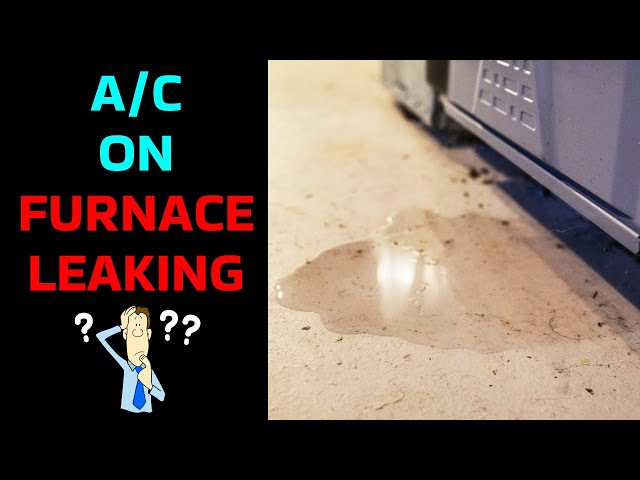
Finding water around your air conditioner can be alarming, but don’t panic! It’s a common issue. While air conditioners are designed to remove moisture from the air, excessive water leakage can indicate a problem. This can range from a simple fix to a more serious issue. Ignoring the leak can lead to water damage in your home, mold growth, and eventually damage the AC unit itself, so it’s important to address it quickly.
Common Causes of Air Conditioner Producing Water
Several factors can cause your air conditioner to leak water. Here are some of the most common:
- Clogged Condensate Drain Line: This is the most frequent cause. The drain line carries water away from the unit. When blocked, water backs up.
- Dirty Air Filter: A dirty filter restricts airflow, causing the evaporator coil to freeze. When the ice melts, it produces excess water.
- Low Refrigerant Levels: Low refrigerant can also cause the evaporator coil to freeze, leading to excessive water when it melts.
- Broken Condensate Pump: Some units use a condensate pump to remove water. If this fails, water will accumulate.
- Improper Installation: Incorrectly installed units may not drain properly.
- Damaged Drain Pan: The drain pan collects water. If it’s cracked or rusted, it will leak.
- High Humidity: On exceptionally humid days, your AC might produce more condensation than it can efficiently drain, leading to a small amount of water leakage.
- Leaky Ductwork: Leaks in your ductwork can cause warm, moist air to come into contact with the cool surfaces of your AC system, leading to condensation.
Symptoms Checklist
Use this checklist to help pinpoint the issue:
- Water pooling around the indoor unit.
- Water stains on the ceiling below the indoor unit.
- Musty or moldy odors near the unit.
- The air conditioner isn’t cooling as effectively as usual.
- Ice forming on the evaporator coils (visible when you access the unit’s internal components, be cautious).
- Water dripping from the outdoor unit (this could be normal condensation, but excessive amounts warrant investigation).
How to Fix Air Conditioner Producing Water Step-by-Step Guide
Follow these steps to troubleshoot your leaky AC:
- Turn off the Air Conditioner: This prevents further water accumulation and ensures your safety.
- Locate the Condensate Drain Line: Usually a PVC pipe near the indoor unit. It might exit the house to the outside.
- Check for Clogs: Inspect the drain line opening for visible obstructions like algae or debris.
- Flush the Drain Line: Use a wet/dry vacuum to suck out any blockage. Attach the vacuum hose to the drain line opening and run it for several minutes. Alternatively, carefully use a garden hose to flush the line, but be careful not to use too much pressure.
- Check the Air Filter: Remove and inspect the air filter. If it’s dirty, replace it with a new one.
- Inspect the Drain Pan: Look for cracks, rust, or overflows. Clean out any debris in the pan.
- Check the Evaporator Coils (Carefully): If you feel comfortable, remove the access panel to the evaporator coils (located inside the indoor unit). Check for ice buildup. If present, let the ice melt completely before proceeding. Be extremely cautious around electrical components!
- Pour Water Down the Drain Line: After clearing the line, pour a cup of water down the drain to ensure it flows freely.
- Restart the Air Conditioner: Turn the AC back on and monitor for any further leaks.
- Check for Leaks Around Ductwork: Inspect the ductwork connected to your AC unit for any visible gaps or tears. Seal any found leaks with duct tape.
- Listen for the Condensate Pump: If your system has a condensate pump, listen to see if it is running. If it is running constantly or not at all, it may be failing.
Fix the Issue Without Buying Parts
Often, you can resolve the issue without spending any money:
- Regular Filter Cleaning/Replacement: Prevents airflow restriction and coil freezing.
- Drain Line Maintenance: Flushing the drain line periodically can prevent clogs.
- Check Drainage Regularly: Look for leaks or water buildup.
- Clear surrounding area: Keep leaves, mulch, and other debris away from the outside drain pipe opening to prevent blockage.
When Replacement Might Be Necessary
In some cases, a replacement part or professional help is needed:
- Cracked Drain Pan: If the drain pan is severely damaged, it needs to be replaced. Expect to pay between $50-$200 for the part and labor.
- Faulty Condensate Pump: If the pump is broken, replacement is usually the best option. Expect to pay $100-$300 for the pump and installation.
- Low Refrigerant: Only a certified technician can handle refrigerant. Expect to pay $150-$400 for a recharge, depending on the amount needed and the type of refrigerant. If the leak is large, it will require a system inspection.
- Old AC unit: If your air conditioner is over 10-15 years old, its efficiency might be declining and repairs might become more frequent. Consider professional inspection.
Safety Warning
- Always turn off the air conditioner at the breaker before performing any maintenance.
- Be careful when working around electrical components.
- Avoid standing in water while working with electrical appliances.
- If you are uncomfortable with any of these steps, contact a qualified HVAC technician.
Tools You May Need
- Wet/Dry Vacuum
- Screwdriver
- Pliers
- Flashlight
- New Air Filter
- Duct Tape
- Garden hose (with adjustable nozzle)
FAQ
Here are some frequently asked questions:
- Q: How often should I clean my air filter? A: At least every 1-3 months, more often if you have pets or allergies.
- Q: How do I know if my refrigerant is low? A: The AC isn’t cooling well, and you might see ice on the evaporator coils.
- Q: Can I clean the evaporator coils myself? A: It’s best to leave this to a professional, as they are delicate.
- Q: Why is my AC leaking only on very humid days? A: Your system may be struggling to keep up with the increased moisture load. Check the drain line for partial blockages.
Conclusion
Addressing a leaky air conditioner promptly can save you from costly repairs and potential water damage. By following these steps, you can often diagnose and fix the problem yourself. However, if you’re uncomfortable or the issue persists, don’t hesitate to contact a qualified HVAC technician. Your comfort and safety are the top priorities!
Youtube Video:
Looking for more useful options?
Check out recommended resources that others find helpful.